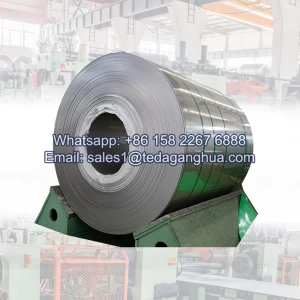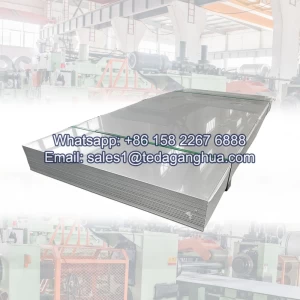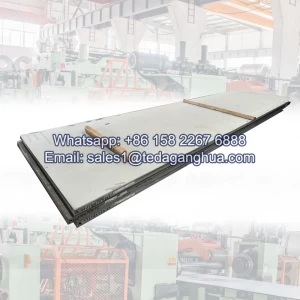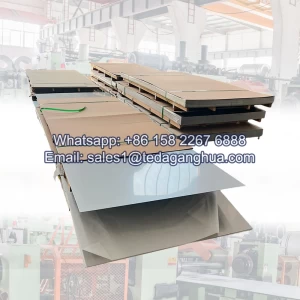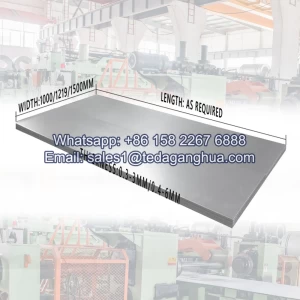
SS 316 Sheet Price


The pricing of stainless steel sheets is directly linked to alloy composition and performance level. In the 201–304–316–430 range, 316 stainless steel sheet represents the premium grade, mainly used in demanding environments where corrosion resistance is critical, while lower grades are selected for cost-sensitive and indoor applications.
- Description
The price of stainless steel sheet is mainly determined by:
- Alloy composition (nickel, chromium, molybdenum content)
- Corrosion resistance level
- Mechanical performance
- Processing difficulty
Among common grades, 201, 304, 316, and 430 stainless steel sheets show clear differences in both cost level and performance.
Performance Comparison of Stainless Steel Sheet Grades
| Grade | Type | Corrosion Resistance | Strength | Formability | Typical Applications |
|---|---|---|---|---|---|
| 201 | Austenitic (low nickel) | Low–Medium | Medium | Good | Interior decoration, low-cost fabrication |
| 304 | Austenitic | Good | Medium | Excellent | Food equipment, general industrial use |
| 316 | Austenitic (Mo added) | Excellent | Medium | Good | Marine, chemical, coastal environments |
| 430 | Ferritic | Medium | Lower | Moderate | Appliances, decorative panels |
Price Ranking (From Low to High)
The general stainless steel sheet price order is:
430 < 201 < 304 < 316
Reason Behind Price Differences
1. Nickel Content
- 201: Very low nickel (cost-saving substitution with manganese)
- 304: ~8% nickel
- 316: ~10% nickel + molybdenum (higher cost)
- 430: No nickel (ferritic grade, lower cost but also lower performance)
2. Corrosion Resistance Requirement
- 316 requires molybdenum for strong chloride resistance → higher cost
- 304 balances cost and performance
- 201 reduces cost by lowering nickel content
- 430 avoids nickel entirely but sacrifices corrosion resistance
3. Application Level
- Industrial & marine → 316 (highest cost level)
- General fabrication → 304
- Budget decoration → 201 / 430
316 Stainless Steel Sheet Price Position
316 stainless steel sheet is the highest-priced among common stainless steel sheet grades because it includes:
- Higher nickel content
- Added molybdenum (Mo) for pitting corrosion resistance
- Superior performance in seawater and chemical environments
Why 316 Costs More:
- Better resistance to chloride corrosion
- Longer service life in harsh environments
- More stable performance under chemical exposure
- Higher raw material alloy cost
Typical Application-Based Price Positioning
| Application Requirement | Recommended Grade | Cost Level |
|---|---|---|
| Marine environment | 316 | High |
| Chemical industry | 316 / 304 | High–Medium |
| Food equipment | 304 | Medium |
| Indoor decoration | 201 / 430 | Low |
| Household appliances | 430 | Low |
Key Takeaways
- 316 stainless steel sheet is the most expensive among common grades due to its superior corrosion resistance and molybdenum content
- 304 stainless steel sheet is the most widely used balance of cost and performance
- 201 stainless steel sheet is a cost-effective alternative with reduced corrosion resistance
- 430 stainless steel sheet is the lowest-cost option but with limited corrosion resistance