
Stainless Plain Sheet Price
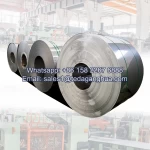

The price of stainless plain sheets is constantly changing due to factors such as raw material costs, supply-demand balance, energy prices, currency fluctuations, and logistics. Understanding these drivers helps businesses plan procurement strategies, reduce risks, and ensure a stable supply of stainless steel materials for industrial, construction, or manufacturing purposes.
- Description
The price of stainless plain sheet is influenced by a variety of factors, making it a dynamic and constantly changing market commodity. Understanding the reasons behind these price fluctuations helps businesses, engineers, and procurement professionals make informed decisions when sourcing stainless steel materials.
Key Factors Influencing Stainless Steel Prices
1. Raw Material Costs
Stainless steel is primarily composed of iron, chromium, nickel, and other alloying elements. Changes in the global prices of these metals directly affect the cost of stainless steel sheets. For example, an increase in nickel or chromium prices leads to higher stainless steel production costs, which is reflected in the market price.
2. Global Supply and Demand
Supply shortages or surpluses, both locally and internationally, have a significant impact on pricing. High demand in sectors like construction, automotive, or appliance manufacturing can push prices up, while excess inventory or low demand may drive prices down.
3. Energy and Production Costs
Stainless steel production requires significant energy consumption for melting, rolling, and finishing processes. Changes in electricity, gas, or fuel prices can therefore directly affect the cost of stainless steel sheets.
4. Exchange Rates
Stainless steel is traded globally. Currency fluctuations between major trading nations can influence import and export costs, making prices vary in different regions.
5. Market Speculation
Global commodity markets are influenced by speculation. Traders’ expectations of future shortages or increased demand can cause short-term price volatility in stainless plain sheets.
6. Transportation and Logistics
Freight, shipping, and logistics costs also impact the final price. Disruptions such as port congestion or increased shipping costs can temporarily raise stainless steel sheet prices.
Why Price Fluctuations Are Normal
Stainless steel is a high-value, alloy-based product whose cost depends on raw material availability, production costs, and market forces. This makes short-term price changes a normal feature of the market. Businesses often monitor prices daily or weekly and adjust procurement strategies accordingly to minimize cost risks.
Tips for Buyers
-
Track global raw material trends for chromium, nickel, and iron.
-
Consider long-term contracts to lock in stable prices when possible.
-
Work with reliable suppliers who provide transparent pricing updates.
-
Plan procurement based on seasonal or cyclical demand patterns.