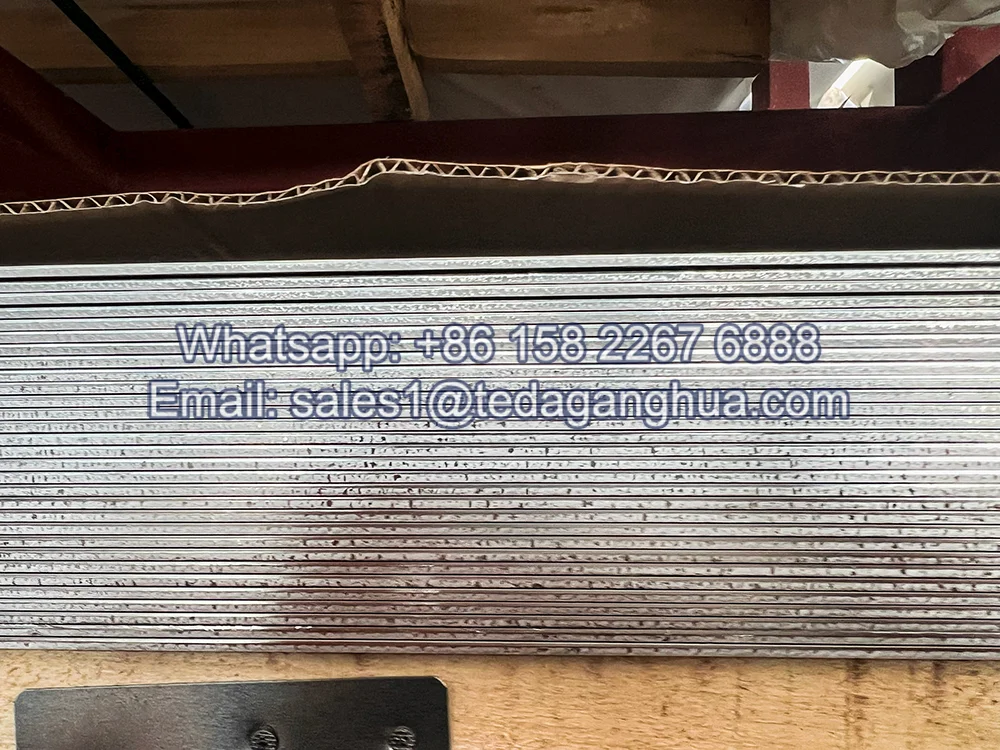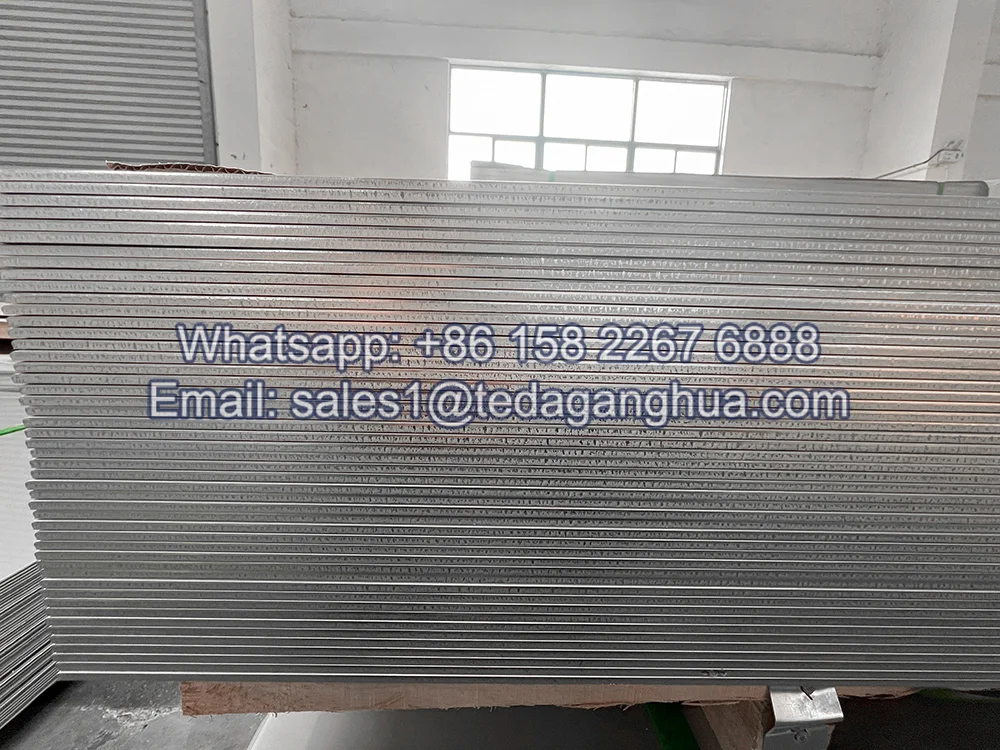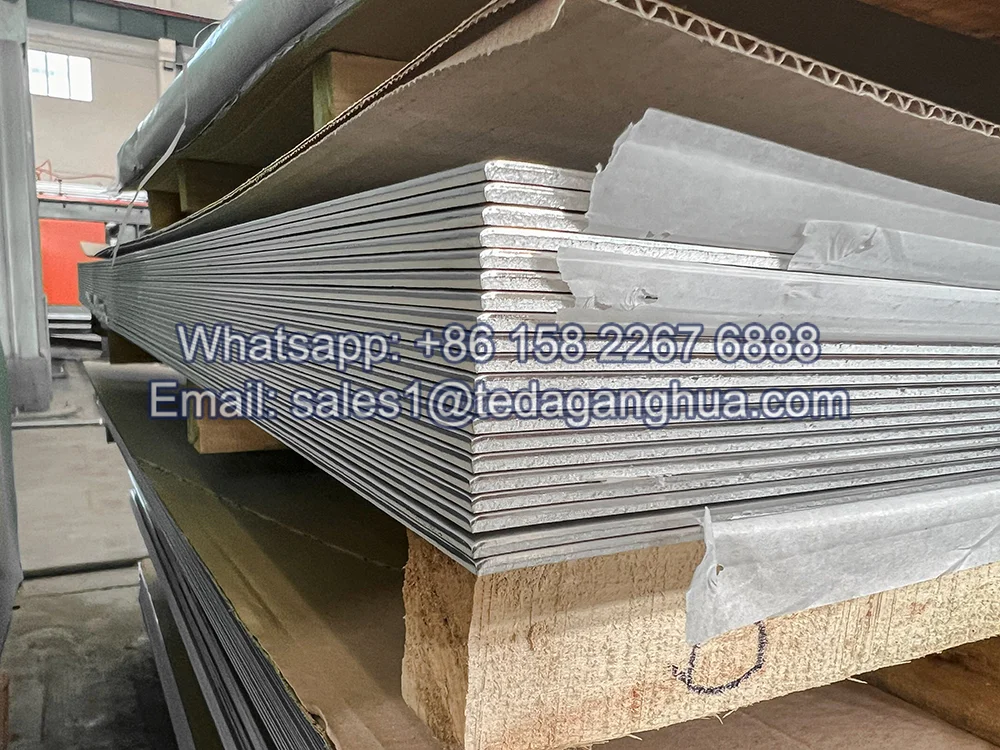
SS Sheet Gauge


SS sheet gauge is a traditional but widely used system for defining stainless steel sheet thickness. It is especially common in fabrication and industrial design where quick identification is needed.
Key takeaways:
- Gauge indicates thickness (higher number = thinner sheet)
- 18–20 gauge is most common for general stainless steel fabrication
- Millimeter measurement is more precise and widely used in international trade
- Gauge is mainly used for cold rolled stainless steel sheets
- Description
SS sheet gauge refers to the standardized system used to describe the thickness of stainless steel sheets (SS sheets). Unlike metric measurement (mm), gauge is an older industrial unit widely used in metal fabrication, manufacturing, and procurement.
The key point is:
- Higher gauge number = thinner sheet
- Lower gauge number = thicker sheet
However, gauge values are not perfectly linear and can vary slightly by standard system (US gauge is most commonly used in global stainless steel trade).
Stainless Steel Sheet Gauge to Thickness Conversion Table
| Gauge (US) | Thickness (mm) | Thickness (inch) | Common Usage |
|---|---|---|---|
| 26 gauge | 0.48 mm | 0.019 in | Light panels, decorative use |
| 24 gauge | 0.61 mm | 0.024 in | Interior panels, kitchen equipment |
| 22 gauge | 0.76 mm | 0.030 in | General fabrication, appliances |
| 20 gauge | 0.91 mm | 0.036 in | Structural light-duty panels |
| 18 gauge | 1.21 mm | 0.048 in | Industrial equipment, sinks |
| 16 gauge | 1.52 mm | 0.060 in | Heavy-duty fabrication |
| 14 gauge | 1.90 mm | 0.075 in | Structural components |
| 12 gauge | 2.66 mm | 0.105 in | Industrial plates |
| 10 gauge | 3.42 mm | 0.135 in | Heavy industrial use |
| 7 gauge | 4.76 mm | 0.188 in | Thick structural parts |
| 4 gauge | 6.35 mm | 0.250 in | Heavy plates, machinery |
Gauge vs Metric Thickness (Key Difference)
Most international stainless steel production uses millimeter (mm) thickness, while gauge is mainly used in:
- North America
- Some industrial fabrication sectors
- Legacy engineering drawings
Conversion Relationship
- Gauge is an approximate classification
- mm is an exact measurement standard
For example:
- 16 gauge ≈ 1.52 mm
- 18 gauge ≈ 1.21 mm
- 20 gauge ≈ 0.91 mm
Why Gauge is Still Used in Stainless Steel Industry
1. Industry Tradition
Many fabrication shops and engineering drawings still specify gauge instead of millimeters.
2. Quick Identification
Gauge allows fast identification of sheet thickness without precise measurement.
3. Standard Fabrication Practices
Certain industries standardize materials by gauge for consistency in production.
Cold Rolled vs Hot Rolled in Gauge System
Gauge is mostly used for cold rolled stainless steel sheets, while hot rolled products are typically described in millimeters.
| Type | Typical Thickness Representation |
|---|---|
| Cold Rolled SS Sheet | Gauge (e.g., 16 ga, 18 ga) or mm |
| Hot Rolled SS Plate | mm only (e.g., 3 mm, 6 mm, 10 mm) |
Common Applications by Gauge Range
Thin Gauge (24–26 gauge)
- Decorative panels
- Ceiling and wall cladding
- Light covers
Medium Gauge (18–22 gauge)
- Kitchen equipment
- Sinks and countertops
- Appliance panels
Heavy Gauge (10–16 gauge)
- Industrial machinery
- Structural supports
- Fabrication components
Thick Gauge (4–8 gauge)
- Heavy equipment bases
- Structural steel components
- Industrial platforms