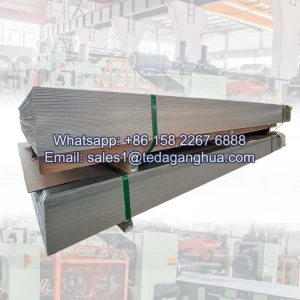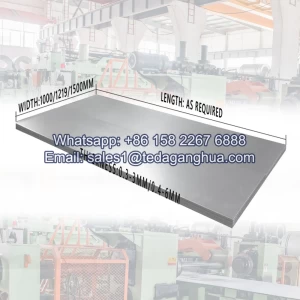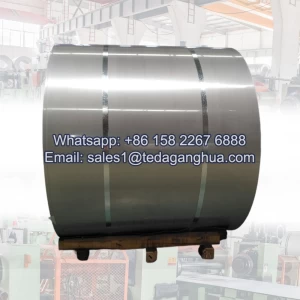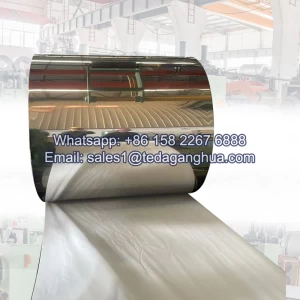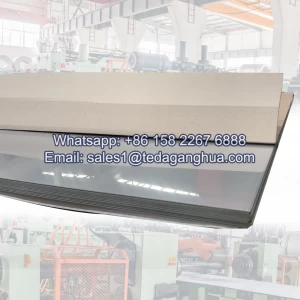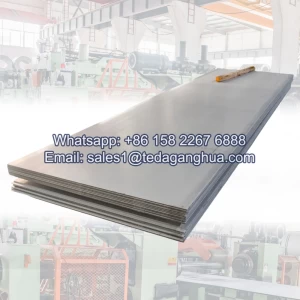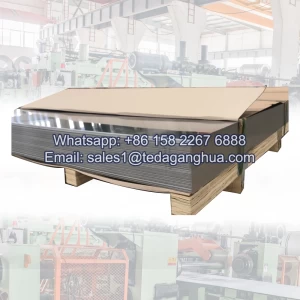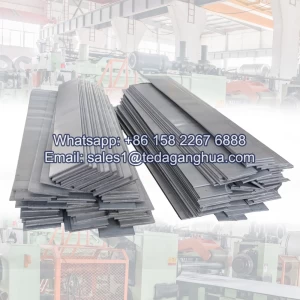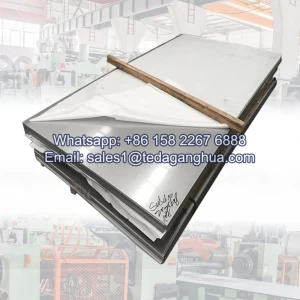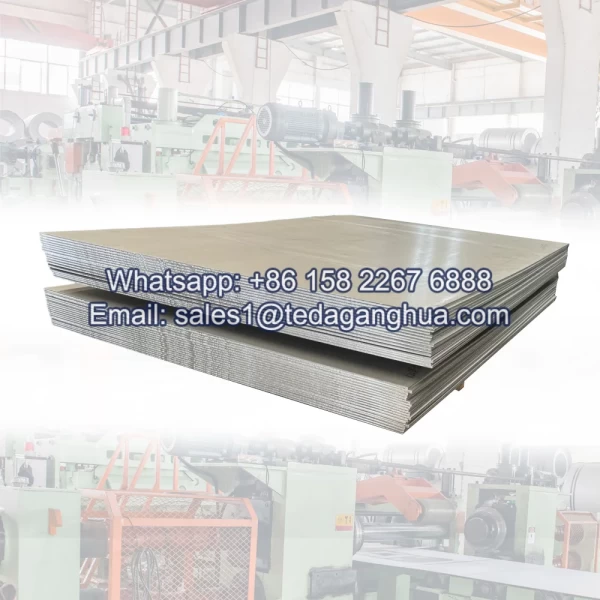
Stainless Steel Metal Sheet Price


The stainless steel metal sheet price depends largely on material grade, alloy composition, thickness, surface finish, and market conditions.
-
Lower alloy grades such as 201 and 430 generally have lower prices.
-
304 offers a balance between cost and corrosion resistance.
-
316 and 316L command higher prices due to added molybdenum and superior corrosion resistance.
Understanding the relationship between composition, performance, and cost helps buyers choose the most suitable stainless steel sheet for their specific application while optimizing overall project value.
- Description
When evaluating stainless steel metal sheet price, it is important to understand that pricing varies depending on grade, thickness, surface finish, processing requirements, and market raw material costs (nickel and chromium). Different stainless steel grades have different alloy compositions, which directly affect both performance and price levels.
1. Main Factors Affecting Stainless Steel Sheet Price
1.1 Material Grade
The alloy content—especially nickel and molybdenum—has the greatest impact on price. Higher alloy content generally means higher cost.
1.2 Thickness and Dimensions
-
Thicker sheets require more raw material, increasing total cost.
-
Custom sizes may add processing costs.
1.3 Surface Finish
-
2B finish is typically the most economical.
-
BA, No.4, HL, or mirror finishes require additional processing and increase price.
1.4 Processing Services
Cutting, polishing, slitting, bending, or surface grinding will affect the final price.
1.5 Market Raw Material Fluctuations
Stainless steel prices are influenced by global nickel and molybdenum market changes.
2. Common Stainless Steel Grades and Price Comparison
Below is a general comparison of commonly used stainless steel sheet grades:
| Grade | Nickel Content | Molybdenum | Corrosion Resistance | Relative Price Level | Typical Applications |
|---|---|---|---|---|---|
| 201 | Low | No | Moderate | Lower | Decorative, indoor use |
| 304 | 8–10% | No | Good | Medium | Kitchen, general industry |
| 304L | 8–10% | No | Good (better weldability) | Medium | Welded structures |
| 316 | 10–14% | 2–3% | Very Good | Higher | Marine, chemical |
| 316L | 10–14% | 2–3% | Very Good (low carbon) | Higher | Marine, sanitary |
| 430 | Very Low | No | Moderate | Lower | Appliances, decorative panels |
Note: The table reflects general market positioning rather than specific quotations.
3. Why Different Grades Have Different Prices
3.1 Nickel Content
Nickel significantly increases corrosion resistance and stability but also raises cost.
-
304 contains moderate nickel → mid-range pricing.
-
316 contains higher nickel + molybdenum → higher price.
3.2 Molybdenum Addition
Grades like 316 and 316L include molybdenum, which improves resistance to chloride corrosion and increases material cost.
3.3 Production Complexity
Some specialty grades require more controlled manufacturing processes, increasing cost.
4. Price vs Performance Consideration
Choosing stainless steel sheet should not be based only on price. It should match the application environment:
-
Indoor decorative applications: 201 or 430 may be sufficient.
-
General industrial use: 304 provides balanced performance and cost.
-
Marine or chemical environments: 316 or 316L offers better long-term value despite higher initial cost.
Selecting the correct grade can reduce maintenance and replacement costs over time.