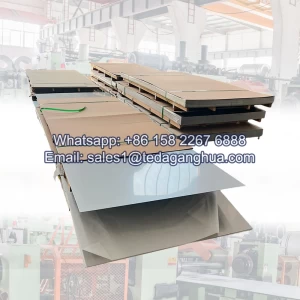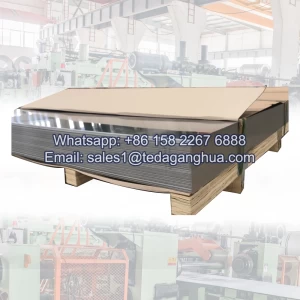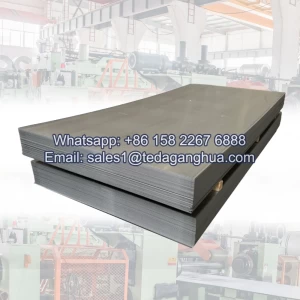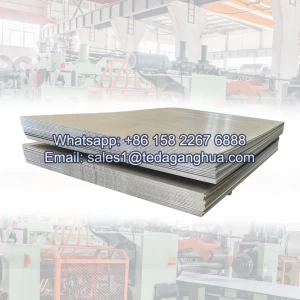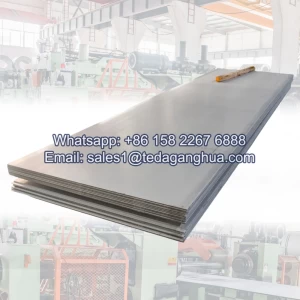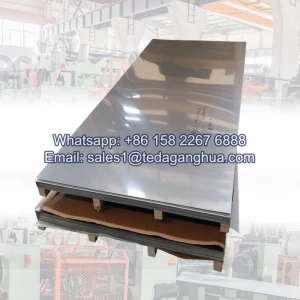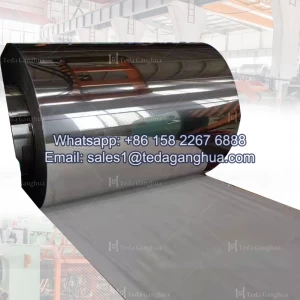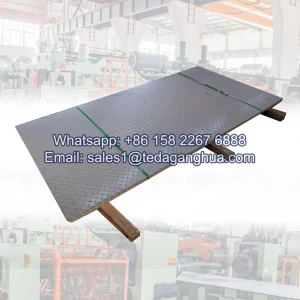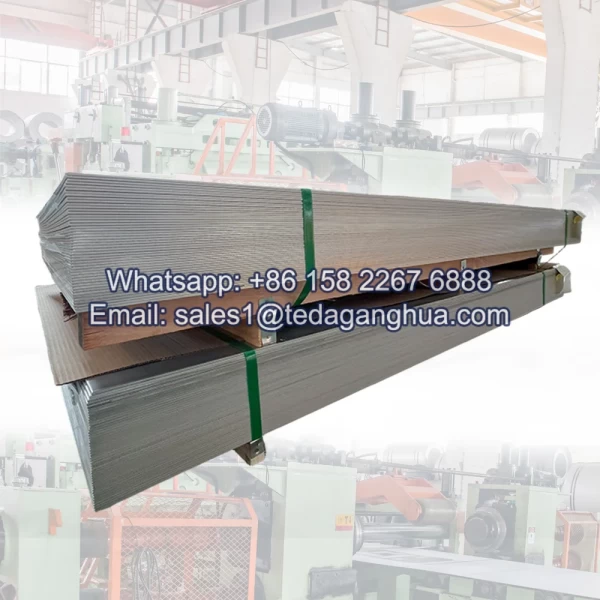
316 Stainless Steel Sheet Metal

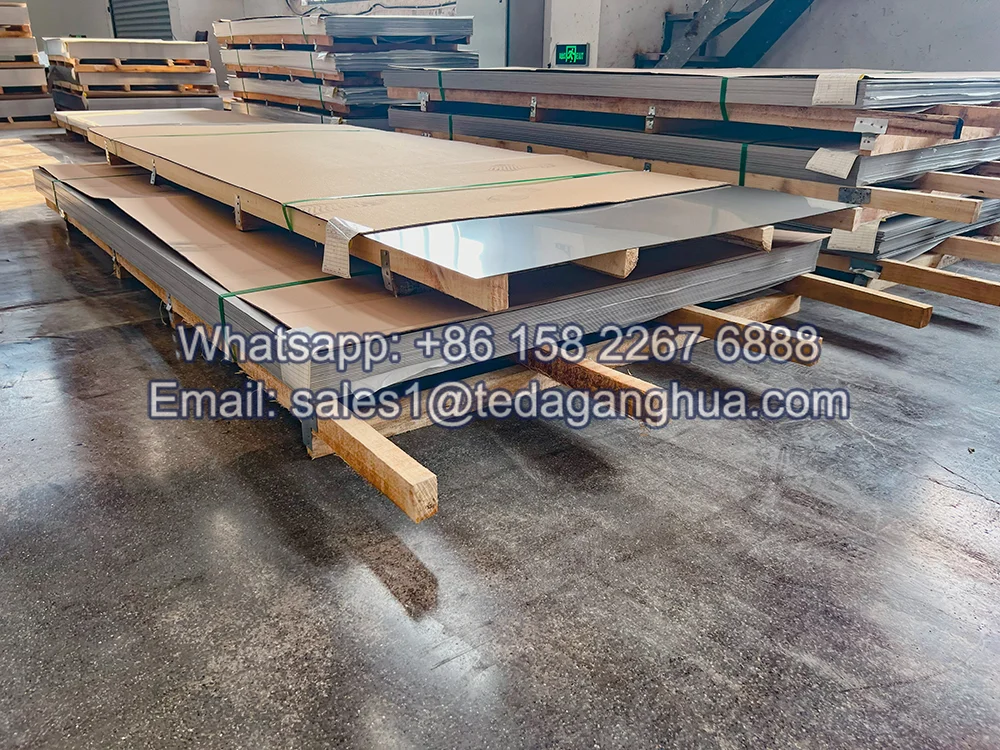
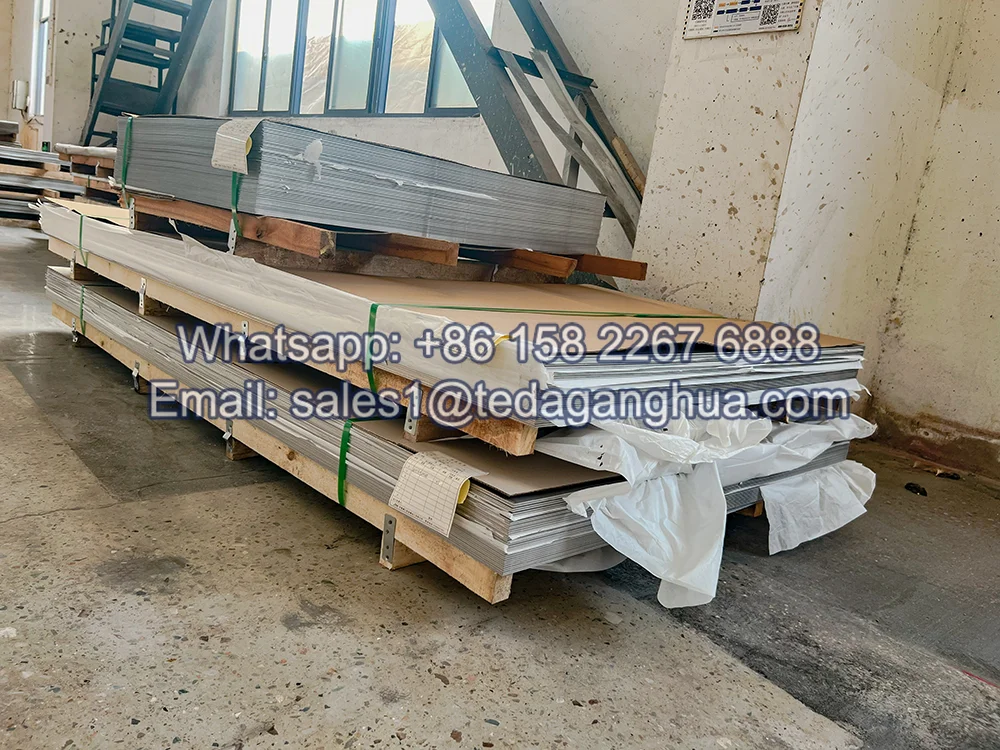
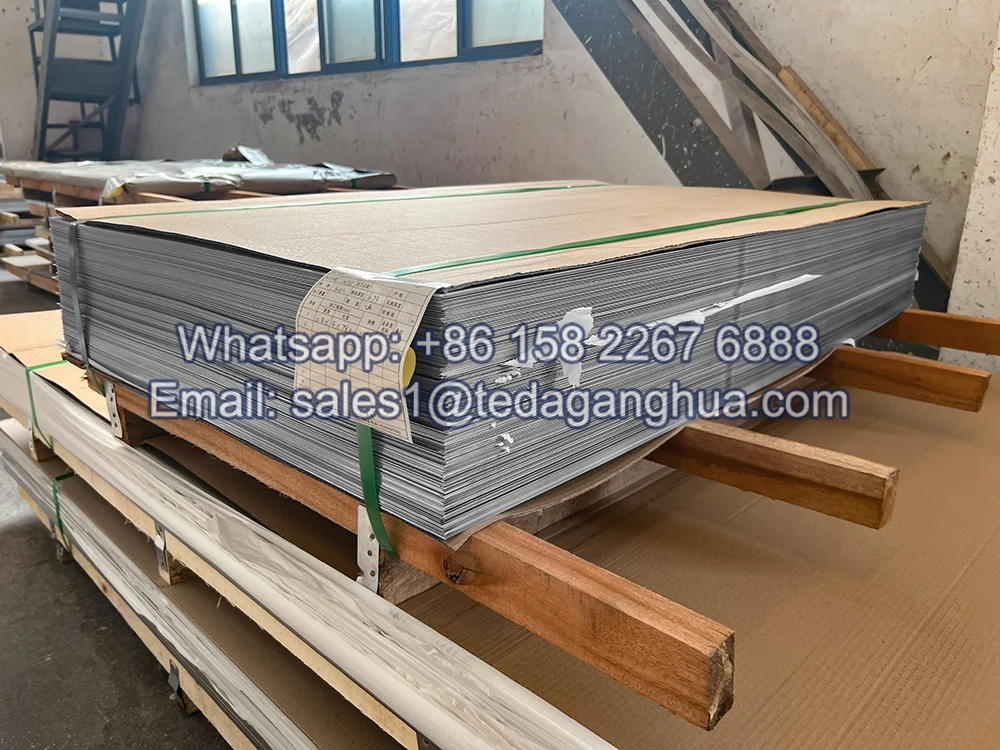
316 stainless steel sheet metal combines high corrosion resistance, mechanical strength, and excellent formability, making it suitable for a wide range of industrial, marine, chemical, food, architectural, and medical applications. Its availability in multiple surface finishes allows it to meet both functional and aesthetic requirements, providing long-lasting performance in demanding environments.
- Description
316 stainless steel sheet metal is an austenitic stainless steel widely recognized for its excellent corrosion resistance, mechanical strength, and durability. It is particularly suited for environments exposed to moisture, chemicals, and saline conditions, making it a preferred material for marine, chemical, and high-end architectural applications.
Chemical Composition
316 stainless steel includes iron, chromium, nickel, and molybdenum as key alloying elements:
| Element | Typical Range (%) |
|---|---|
| Chromium (Cr) | 16 – 18 |
| Nickel (Ni) | 10 – 14 |
| Molybdenum (Mo) | 2 – 3 |
| Carbon (C) | ≤0.08 |
| Manganese (Mn) | ≤2.0 |
| Silicon (Si) | ≤1.0 |
| Phosphorus (P) | ≤0.045 |
| Sulfur (S) | ≤0.03 |
Key Note: The addition of molybdenum significantly enhances 316’s resistance to chloride corrosion, making it superior to 304 stainless steel in harsh environments.
Mechanical Properties
| Property | Typical Value |
|---|---|
| Tensile Strength | 515 – 700 MPa |
| Yield Strength | 205 – 310 MPa |
| Elongation | ≥40% |
| Hardness (HRB) | 70 – 90 |
| Density | 7.98 g/cm³ |
These properties provide excellent strength, ductility, and formability, suitable for bending, cutting, stamping, and welding.
Surface Finishes
-
2B Finish: Smooth and matte, ideal for industrial and processing applications.
-
BA (Bright Annealed) Finish: Reflective surface for decorative and architectural use.
-
No.4 / Brushed Finish: Linear brushed pattern for appliances, handrails, and interior panels.
-
HL / Hairline: Linear texture for elevator panels, wall cladding, and decorative surfaces.
Common Applications
-
Marine & Offshore Equipment
-
Boat fittings, railings, and decks exposed to saltwater.
-
-
Chemical & Pharmaceutical Industry
-
Tanks, pipes, and processing equipment resistant to corrosive chemicals.
-
-
Food & Beverage Industry
-
Hygienic surfaces, storage tanks, conveyors, and kitchen equipment.
-
-
Architectural & Interior Design
-
Decorative wall panels, handrails, and facades.
-
-
Medical & Laboratory Equipment
-
Surgical instruments, laboratory benches, and cabinets.
-
Note: Compared with 304 stainless steel, 316 is preferred in environments where chlorides, saline, or chemical exposure is significant.