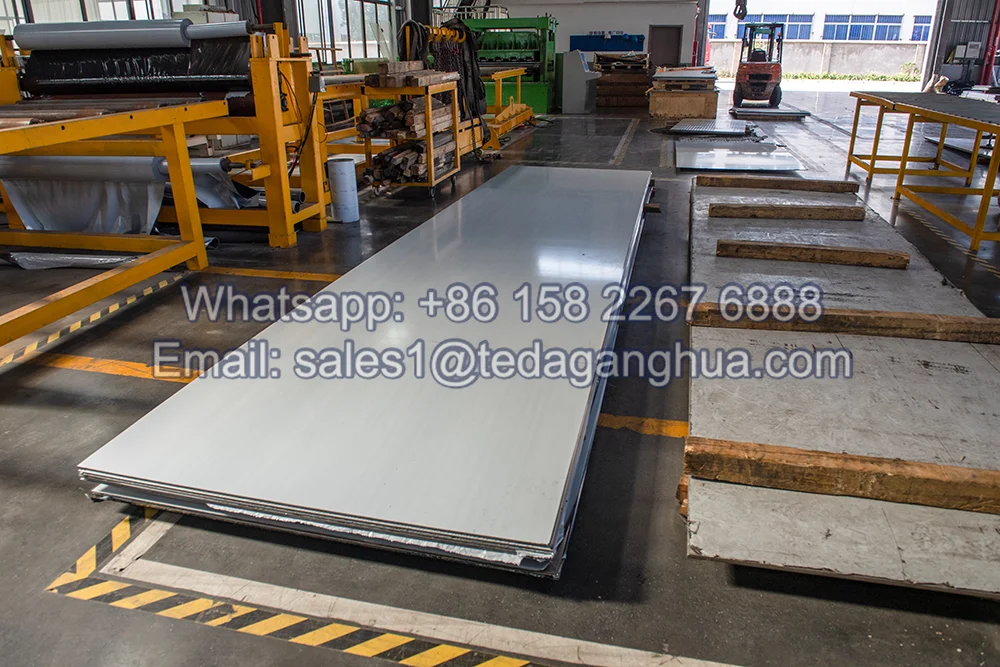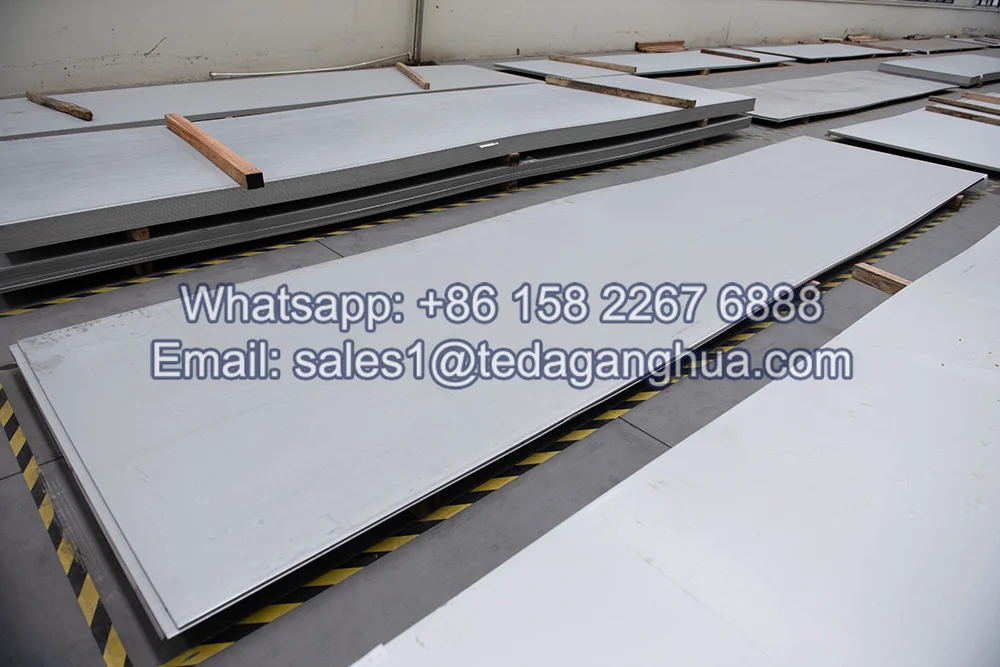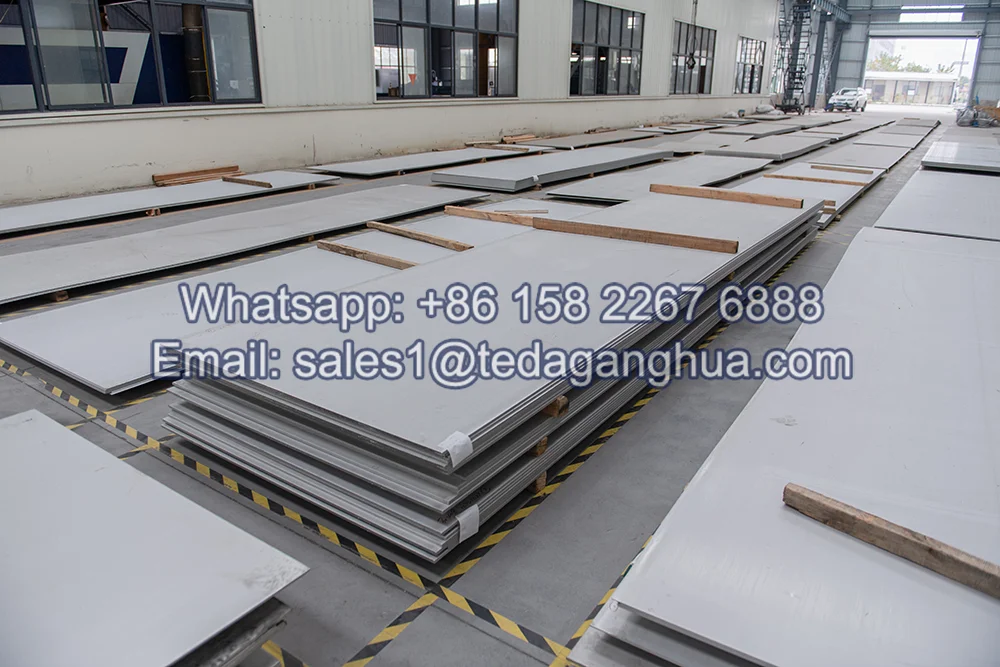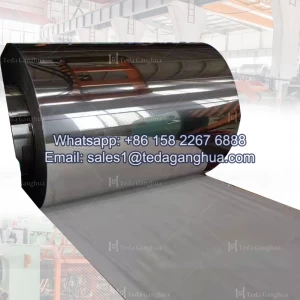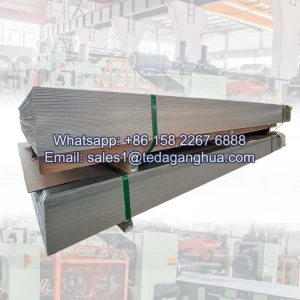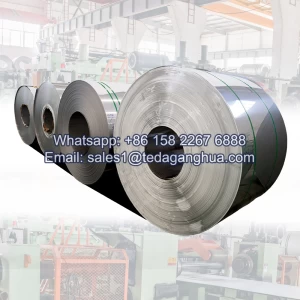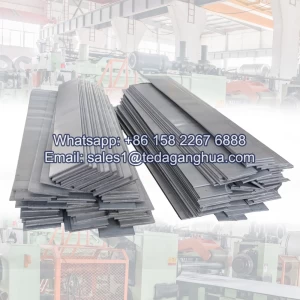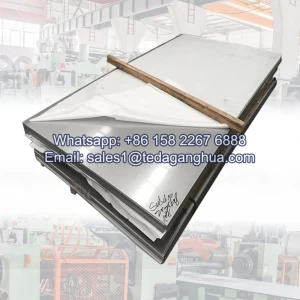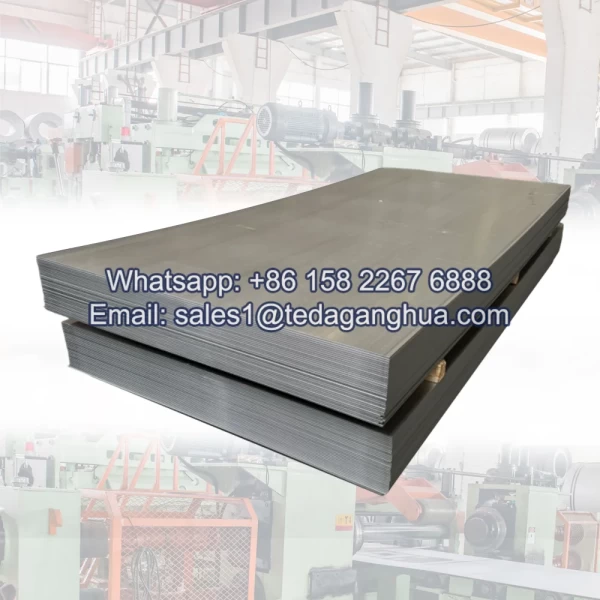

330 Stainless Steel Sheet


330 stainless steel sheet is a high-nickel, heat-resistant alloy designed for extreme temperature environments. With excellent oxidation resistance, strong thermal fatigue resistance, and reliable high-temperature strength, it is ideal for furnace components, thermal processing systems, and industrial heating equipment.
It is particularly suitable where long service life and structural stability at elevated temperatures are critical.
- Description
330 stainless steel sheet is a high-nickel, heat-resistant austenitic stainless steel designed for excellent oxidation resistance and strength at elevated temperatures. It performs reliably in continuous high-temperature environments where standard grades such as 304 or 316 may lose strength or scale excessively.
330 stainless steel is commonly used in furnace components, heat treatment equipment, and thermal processing industries.
1. Chemical Composition of 330 Stainless Steel
The typical chemical composition is:
| Element | Content (%) |
|---|---|
| Chromium (Cr) | 17.0 – 20.0 |
| Nickel (Ni) | 34.0 – 37.0 |
| Iron (Fe) | Balance |
| Carbon (C) | ≤ 0.08 |
| Manganese (Mn) | ≤ 2.0 |
| Silicon (Si) | ≤ 1.5 |
| Phosphorus (P) | ≤ 0.04 |
| Sulfur (S) | ≤ 0.03 |
Key Alloying Characteristics
-
High Nickel (34–37%)
Provides excellent high-temperature strength and resistance to thermal shock. -
Chromium (17–20%)
Enhances oxidation and scaling resistance at elevated temperatures. -
Low Carbon Content
Improves weldability and reduces risk of carbide precipitation.
2. Mechanical and Thermal Properties
| Property | Typical Value |
|---|---|
| Tensile Strength | ≥ 515 MPa |
| Yield Strength | ≥ 205 MPa |
| Elongation | ≥ 40% |
| Maximum Continuous Service Temp | Up to 1149°C (2100°F) |
| Oxidation Resistance | Excellent at high temperature |
Performance Highlights
-
Outstanding resistance to oxidation and carburization
-
Excellent resistance to thermal fatigue
-
Good structural stability at elevated temperatures
-
Good weldability and fabrication performance
3. High-Temperature Performance
330 stainless steel sheet is specifically engineered for heat-intensive applications:
3.1 Oxidation Resistance
Maintains surface integrity in air up to approximately 1149°C (2100°F).
3.2 Carburization Resistance
Performs well in carburizing and nitriding atmospheres compared with standard stainless steels.
3.3 Thermal Shock Resistance
High nickel content improves resistance to cracking during rapid heating and cooling cycles.
4. Common Applications of 330 Stainless Steel Sheet
Because of its heat resistance and durability, 330 stainless steel sheet is widely used in:
Heat Treatment Industry
-
Furnace liners
-
Retorts
-
Annealing covers
-
Heat treating baskets
Industrial Thermal Equipment
-
Kiln components
-
Combustion chambers
-
Burner parts
-
Radiant tubes
Petrochemical and Energy Sector
-
High-temperature ducting
-
Heat exchangers
-
Reactor internals
Aerospace and Industrial Manufacturing
-
High-temperature structural parts
-
Thermal processing components
5. Comparison with 304 and 310 Stainless Steel
| Property | 304 | 310 | 330 |
|---|---|---|---|
| Nickel Content | 8–10% | 19–22% | 34–37% |
| Max Service Temp | ~870°C | ~1100°C | ~1149°C |
| Oxidation Resistance | Good | Very Good | Excellent |
| High-Temp Strength | Moderate | High | Very High |
330 offers superior high-temperature stability compared to 304 and even improved structural stability compared to 310 in certain applications.