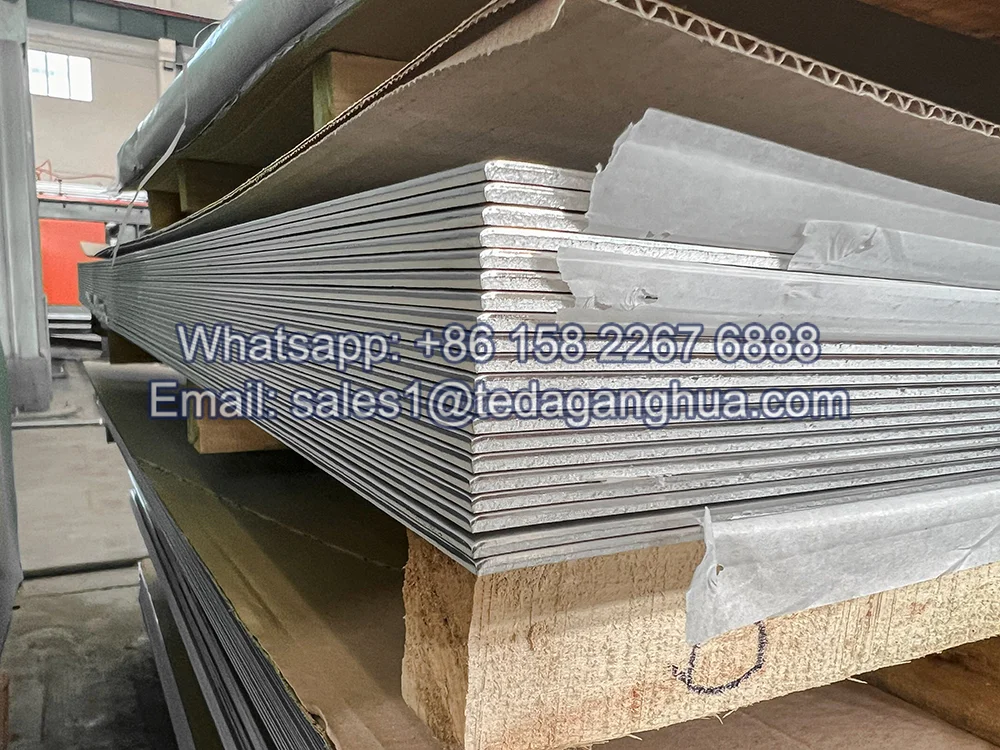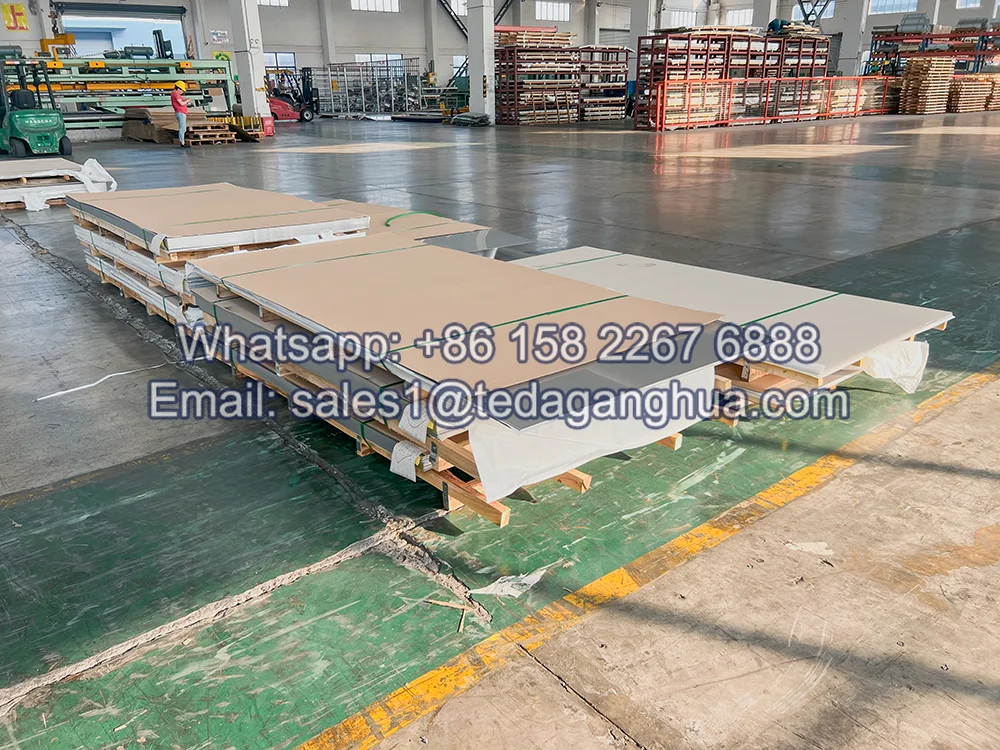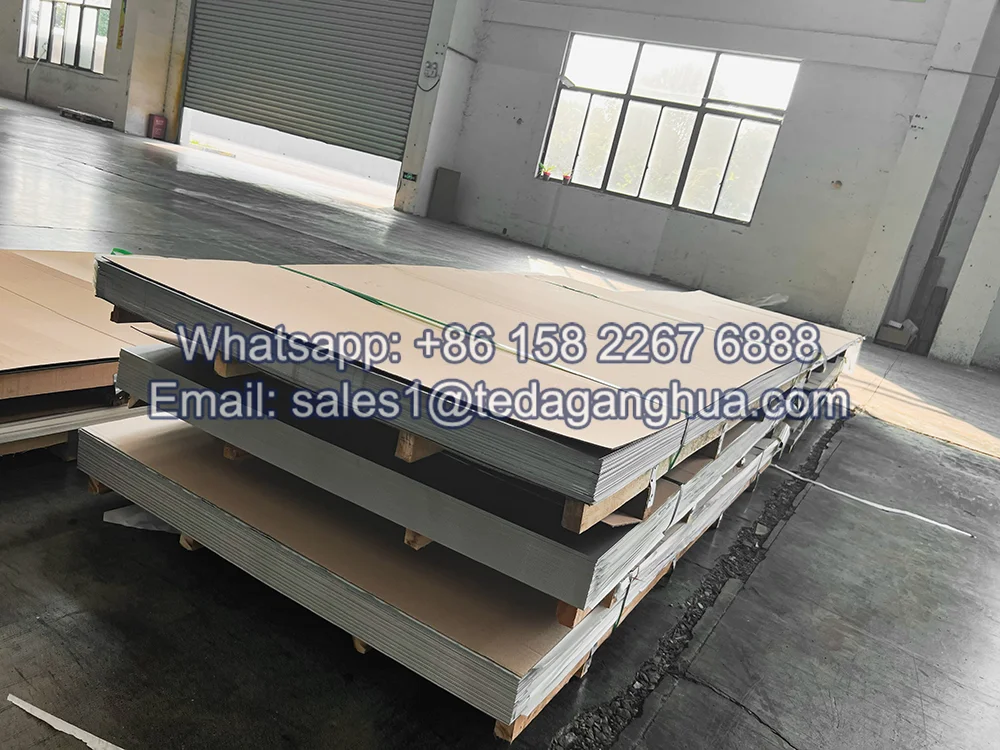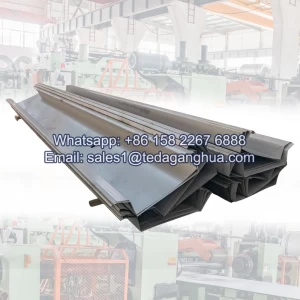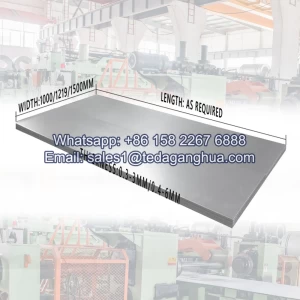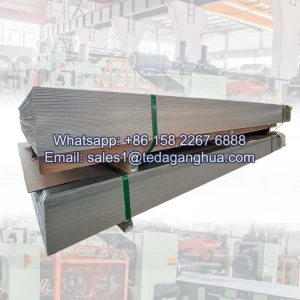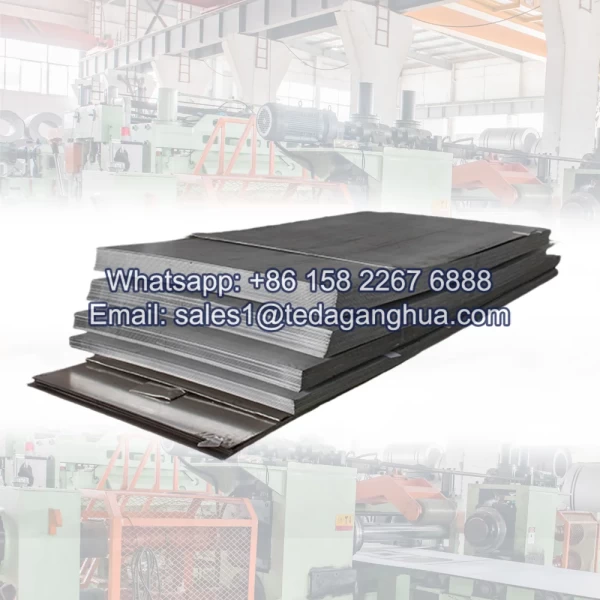
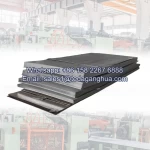
Hot Rolled Stainless Steel 304
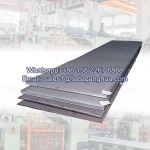
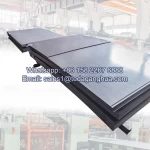
Hot rolled and cold rolled 304 stainless steel share the same chemical composition, but their properties differ due to processing methods.
- Choose hot rolled 304 for structural strength, thickness, and cost efficiency
- Choose cold rolled 304 for surface quality, precision, and higher strength
- Description
For 304 stainless steel, whether hot rolled or cold rolled, the chemical composition is essentially the same, because both are produced from the same grade standard.
Typical Chemical Composition of 304 Stainless Steel
| Element | Content (%) |
|---|---|
| Chromium (Cr) | 18.0 – 20.0 |
| Nickel (Ni) | 8.0 – 10.5 |
| Carbon (C) | ≤ 0.08 |
| Manganese (Mn) | ≤ 2.0 |
| Silicon (Si) | ≤ 1.0 |
| Phosphorus (P) | ≤ 0.045 |
| Sulfur (S) | ≤ 0.03 |
Conclusion:
Hot rolled and cold rolled 304 stainless steel do not differ in composition. Any differences come from the processing method, not the alloy content.
Key Differences Between Hot Rolled and Cold Rolled 304 Stainless Steel
Although the composition is the same, the mechanical properties, surface condition, and application performance differ significantly.
1. Mechanical Properties
| Property | Hot Rolled 304 | Cold Rolled 304 |
|---|---|---|
| Yield Strength | Lower | Higher |
| Tensile Strength | Moderate | Higher |
| Hardness | Lower | Higher |
| Ductility | Higher | Slightly lower |
Explanation:
Cold rolling introduces work hardening, which increases strength and hardness but reduces ductility.
Hot rolled 304 remains softer and more formable.
2. Surface Finish
| Feature | Hot Rolled 304 | Cold Rolled 304 |
|---|---|---|
| Surface | Rough, oxide scale | Smooth, clean |
| Finish Type | No.1 finish | 2B, BA, No.4, etc. |
| Appearance | Industrial | Decorative/precision |
Hot rolled 304 typically has a No.1 finish, while cold rolled 304 can achieve bright and polished surfaces.
3. Dimensional Accuracy
| Feature | Hot Rolled | Cold Rolled |
|---|---|---|
| Thickness Tolerance | Wider | Tighter |
| Flatness | Lower | Higher |
| Precision | Lower | High |
Cold rolled sheets are preferred when tight tolerances and precision are required.
4. Processing and Formability
- Hot Rolled 304
- Easier for heavy forming and structural use
- Better for thick plates
- Less internal stress
- Cold Rolled 304
- Better for precision stamping and deep drawing
- Higher residual stress due to cold working
- Suitable for thin sheets
5. Application Differences
Hot Rolled 304 Stainless Steel
- Industrial equipment
- Structural components
- Pressure vessels
- Chemical tanks
Cold Rolled 304 Stainless Steel
- Kitchen equipment
- Decorative panels
- Precision parts
- Appliances and electronics
Summary of Differences
| Aspect | Difference |
|---|---|
| Composition | No difference |
| Strength | Cold rolled is higher |
| Ductility | Hot rolled is better |
| Surface | Cold rolled is smoother |
| Precision | Cold rolled is more accurate |
| Application | Hot rolled for structure, cold rolled for precision |