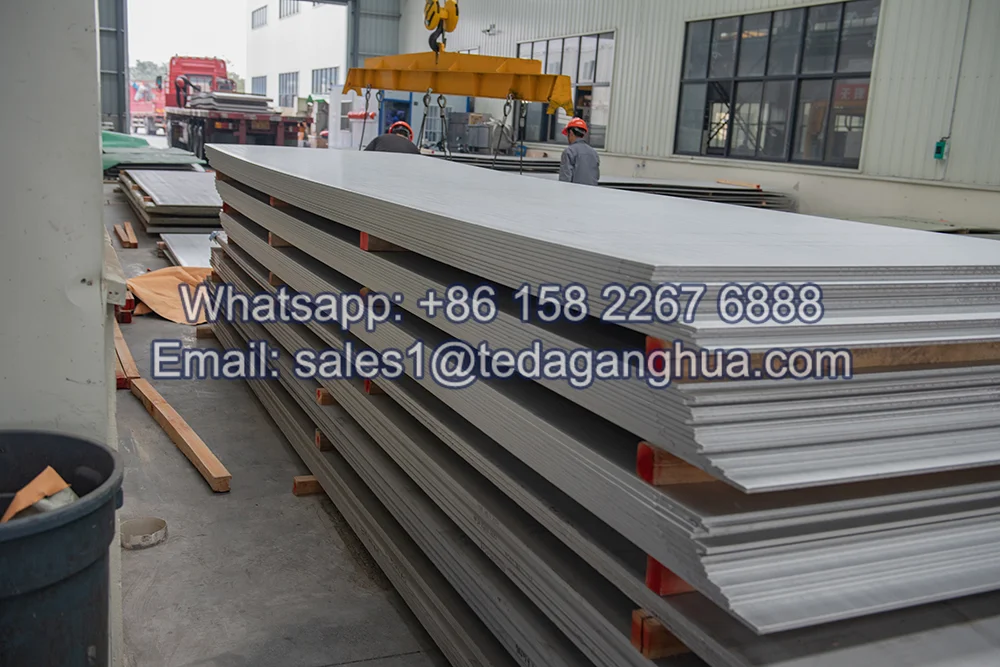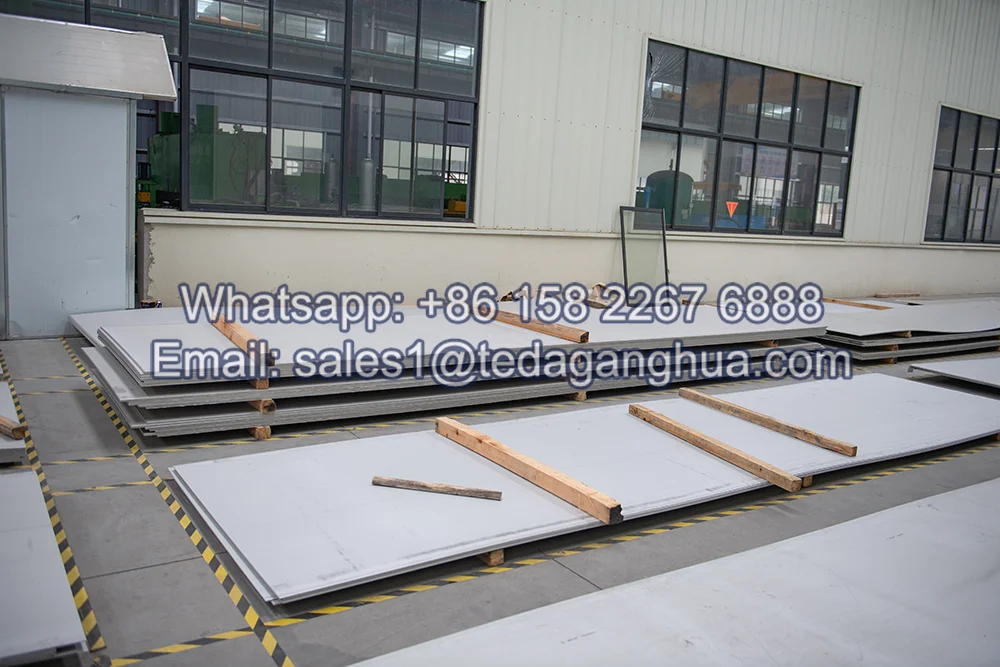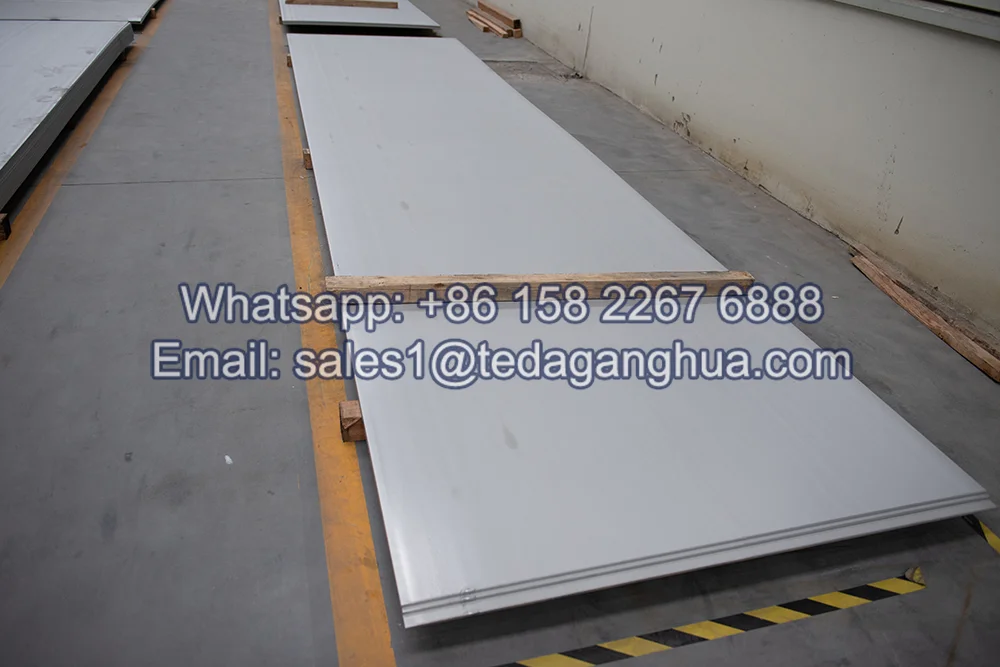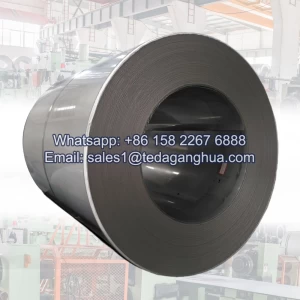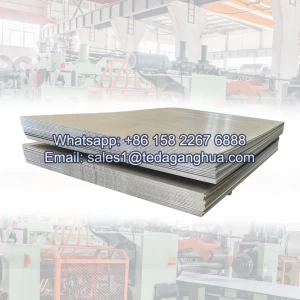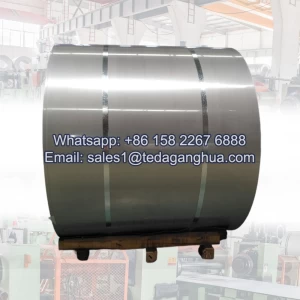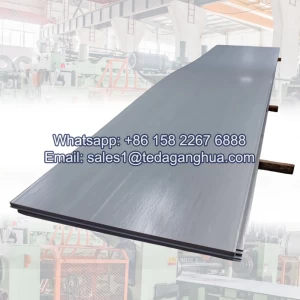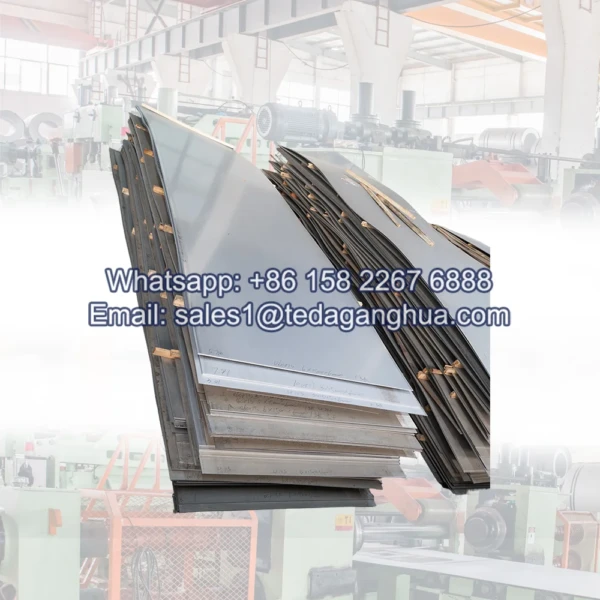
316 Stainless Steel Sheets


316 Stainless Steel Sheets offer clear advantages over other 300 series stainless steels, especially in environments involving chlorides, seawater, and chemical exposure. Compared with 304, 321, and 310S, 316 provides a more balanced combination of corrosion resistance, mechanical performance, and processing capability, making it the preferred choice for demanding industrial applications where durability and reliability are critical.
- Description
316 Stainless Steel Sheets are a widely used austenitic stainless steel product in the 300 series. They are designed with added molybdenum (Mo), which significantly improves corrosion resistance, especially in chloride-rich and marine environments. Compared with other 300 series stainless steels, 316 offers enhanced durability and chemical stability.
Key Characteristics of 316 Stainless Steel Sheets
- Excellent corrosion resistance in aggressive environments
- Strong resistance to pitting and crevice corrosion
- Good performance in seawater and chloride exposure
- Stable austenitic structure (non-magnetic in annealed condition)
- Good weldability and formability
Chemical Composition (Typical)
| Element | Content (%) |
|---|---|
| Chromium (Cr) | 16.0 – 18.0 |
| Nickel (Ni) | 10.0 – 14.0 |
| Molybdenum (Mo) | 2.0 – 3.0 |
| Carbon (C) | ≤ 0.08 |
| Manganese (Mn) | ≤ 2.0 |
| Iron (Fe) | Balance |
The key difference is the addition of molybdenum, which is not present in most other standard 300 series grades like 304.
316 vs Other 300 Series Stainless Steel
1. 316 vs 304 Stainless Steel
| Property | 316 Stainless Steel | 304 Stainless Steel |
| Molybdenum (Mo) | 2–3% | None |
| Corrosion Resistance | Excellent (marine & chloride) | Very good (general environment) |
| Pitting Resistance | Strong | Moderate |
| Cost | Higher | Lower |
| Application Scope | Harsh environments | General use |
Advantage of 316:
Better performance in seawater, chemical exposure, and chloride-rich environments.
2. 316 vs 321 Stainless Steel
| Property | 316 | 321 |
| Stabilizing Element | Mo (Molybdenum) | Ti (Titanium) |
| Main Advantage | Corrosion resistance | High-temperature stability |
| Chloride Resistance | Excellent | Moderate |
| Heat Resistance | Good | Better |
| Application Focus | Marine & chemical | High-temperature systems |
Advantage of 316:
Stronger resistance to chemical and chloride corrosion compared with 321.
3. 316 vs 310S Stainless Steel
| Property | 316 | 310S |
| Heat Resistance | Good | Excellent |
| Corrosion Resistance | Excellent | Good |
| Application Focus | Chemical & marine | Furnace & high-temperature |
Advantage of 316:
Better corrosion resistance in chemical and marine environments.
Main Advantages of 316 Stainless Steel Sheets
1. Superior Chloride Corrosion Resistance
- Performs well in seawater and coastal environments
- Resistant to salt spray and marine exposure
2. Improved Pitting Resistance
- Molybdenum enhances resistance to localized corrosion
- Reduces risk of surface damage in harsh conditions
3. Balanced Mechanical Performance
- Good strength and toughness
- Excellent weldability
- Suitable for complex fabrication
4. Wide Industrial Application Range
- Chemical processing
- Marine engineering
- Pharmaceutical equipment
- Food-grade systems in corrosive environments
Typical Applications
- Marine structures and ship components
- Chemical storage tanks and pipelines
- Offshore platforms
- Pharmaceutical and food processing equipment
- Coastal construction projects