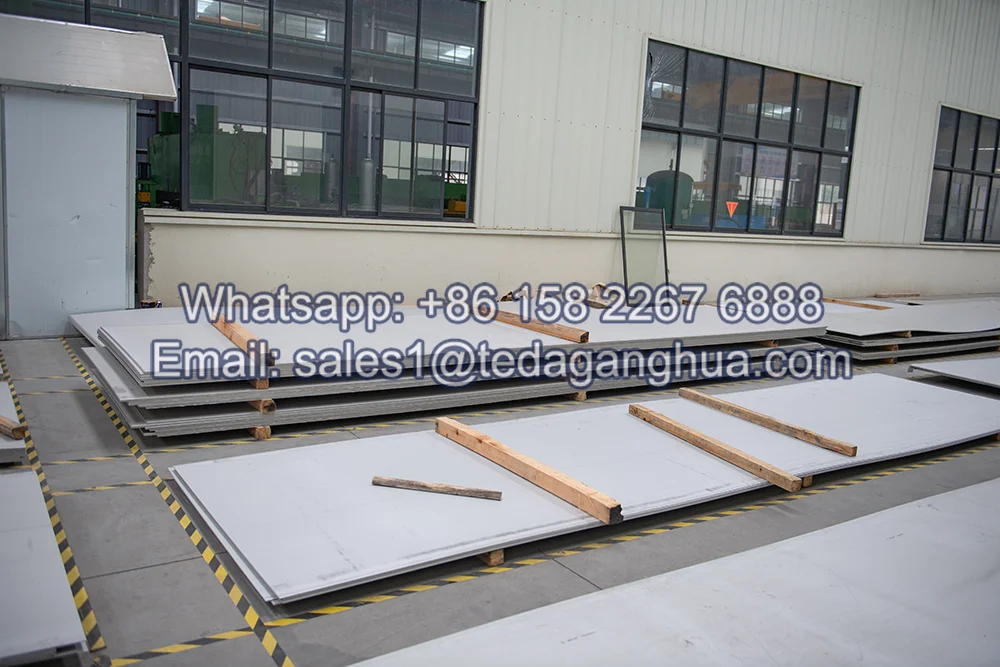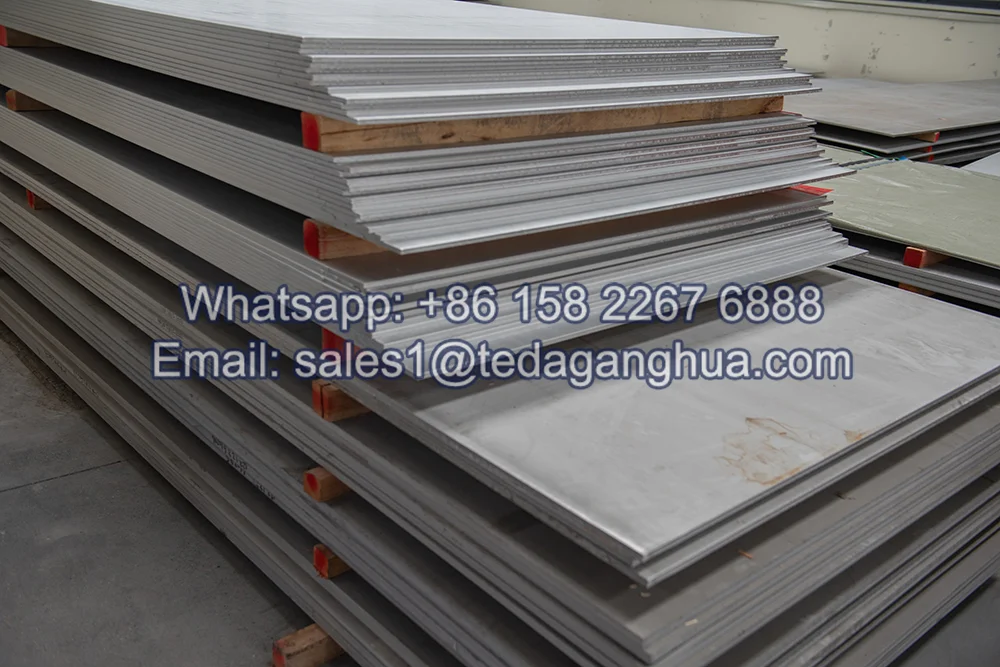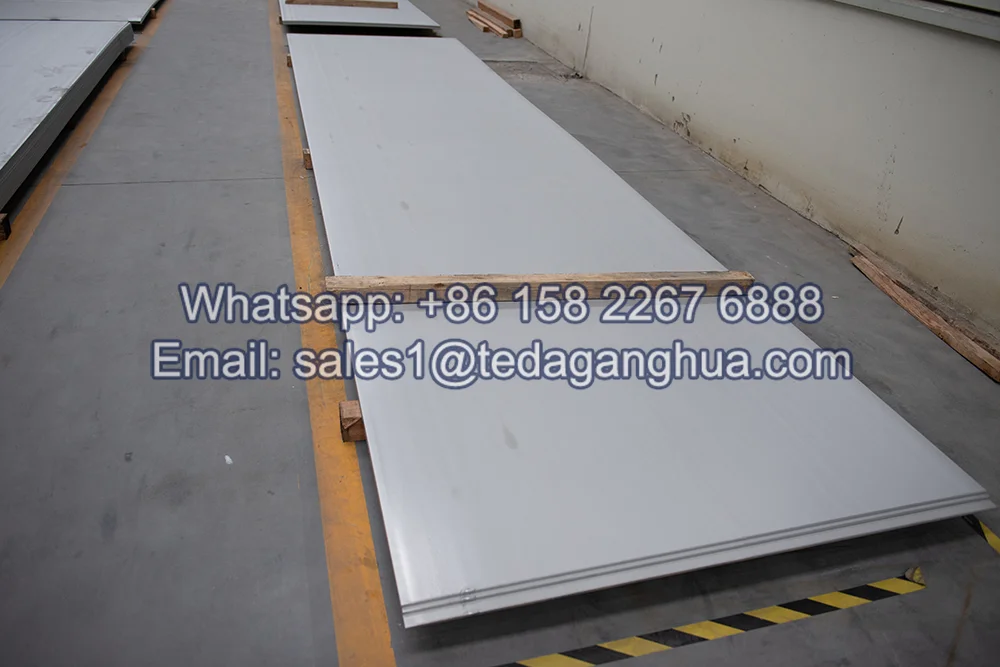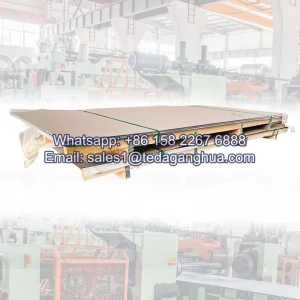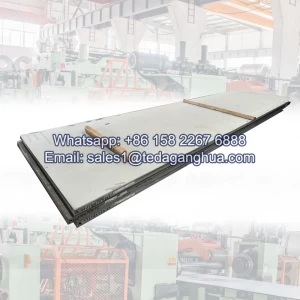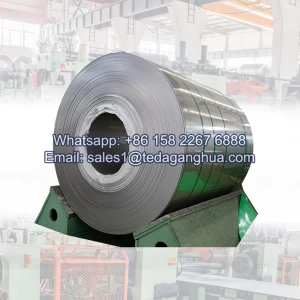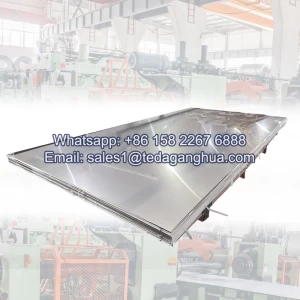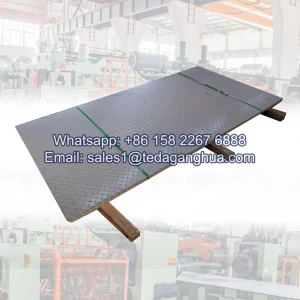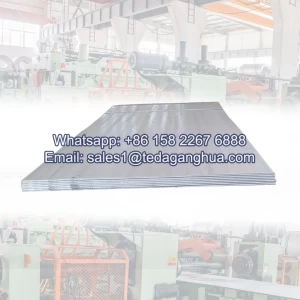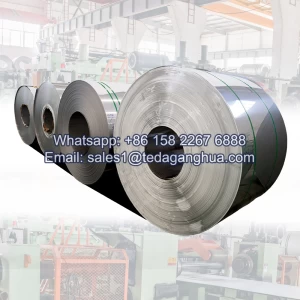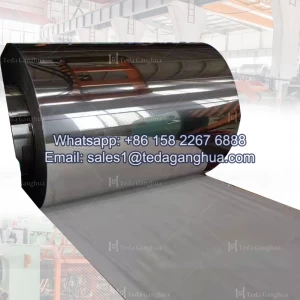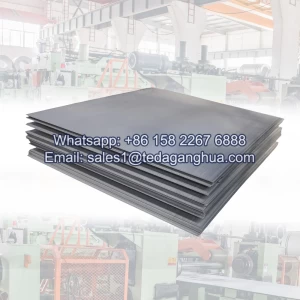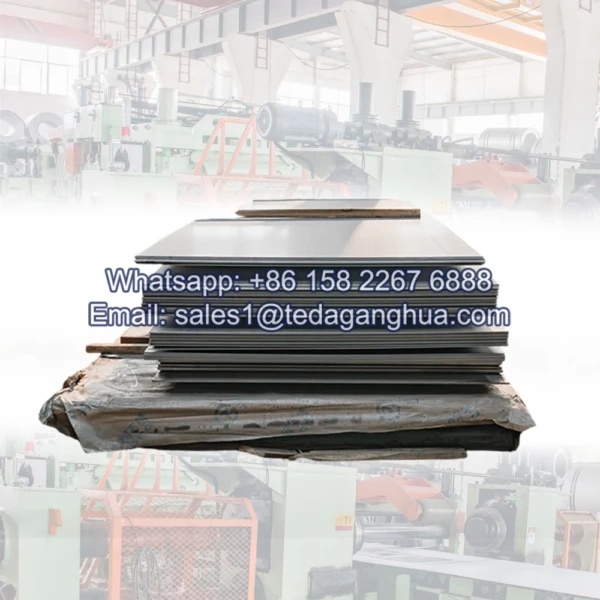
904l Stainless Steel Plate
904L Stainless Steel Plate is a high-performance super austenitic stainless steel designed for extreme corrosion environments, especially strong acids and high-chloride conditions. Compared with 316L stainless steel, it offers significantly better corrosion resistance due to higher nickel, molybdenum, and copper content, but at a much higher cost and with more demanding processing requirements. The selection between the two depends on whether the application requires standard corrosion resistance (316L) or extreme chemical resistance (904L).
- Description
904L Stainless Steel Plate is a high-alloy austenitic stainless steel designed for extremely corrosive environments. It contains high levels of chromium, nickel, and molybdenum, and also includes copper to improve resistance to strong acids. It is widely used in chemical processing, desalination systems, and harsh industrial environments where standard stainless steels may fail.
Chemical Composition of 904L Stainless Steel
| Element | Content (%) |
|---|---|
| Chromium (Cr) | 19.0 – 23.0 |
| Nickel (Ni) | 23.0 – 28.0 |
| Molybdenum (Mo) | 4.0 – 5.0 |
| Copper (Cu) | 1.0 – 2.0 |
| Carbon (C) | ≤ 0.02 |
| Manganese (Mn) | ≤ 2.0 |
| Iron (Fe) | Balance |
The extremely high nickel and molybdenum content, combined with copper addition, gives 904L outstanding resistance to strong acids and chloride-rich environments.
Key Performance of 904L Stainless Steel Plate
1. Excellent Corrosion Resistance
- Exceptional resistance to sulfuric acid and phosphoric acid
- Strong performance in chloride-containing environments
- Superior pitting and crevice corrosion resistance
2. High Alloy Stability
- Very high nickel content improves structural stability
- Copper enhances resistance to reducing acids
- Low carbon content improves intergranular corrosion resistance
3. Good Mechanical Properties
- Good toughness and ductility
- Stable performance in harsh chemical environments
- Suitable for welded structures
4. Excellent Acid Resistance
- One of the best stainless steels for strong acid environments
- Widely used in chemical processing industries
904L vs 316L Stainless Steel
Both 904L and 316L are austenitic stainless steels, but 904L is a high-end super-austenitic grade with significantly higher alloy content.
| Property | 904L Stainless Steel | 316L Stainless Steel |
| Chromium (Cr) | 19–23% | 16–18% |
| Nickel (Ni) | 23–28% | 10–14% |
| Molybdenum (Mo) | 4–5% | 2–3% |
| Copper (Cu) | 1–2% | None |
| Corrosion Resistance | Excellent (strong acids) | Very good (marine & mild chemicals) |
| Acid Resistance | Very strong | Moderate |
| Chloride Resistance | Excellent | Good |
| Cost Level | Very High | Medium–High |
| Application Scope | Severe chemical environments | General industrial use |
Performance Comparison
1. Corrosion Resistance
- 904L Stainless Steel offers significantly higher resistance to strong acids and aggressive chemical environments.
- 316L Stainless Steel performs well in marine and mild chemical conditions but is less effective in strong acid applications.
2. Mechanical and Processing Performance
- 316L is easier to process, weld, and form
- 904L is more difficult to machine due to high alloy content
- Both maintain good toughness and weldability
3. Cost Difference
- 904L has much higher cost due to:
- High nickel content
- High molybdenum content
- Copper addition
- 316L is more economical and widely available
Typical Applications
904L Stainless Steel Plate
- Chemical processing equipment
- Sulfuric acid and phosphoric acid plants
- Offshore and marine systems with severe corrosion
- Heat exchangers in aggressive environments
316L Stainless Steel Plate
- Marine structures
- Food processing equipment
- Pharmaceutical machinery
- General chemical and industrial equipment