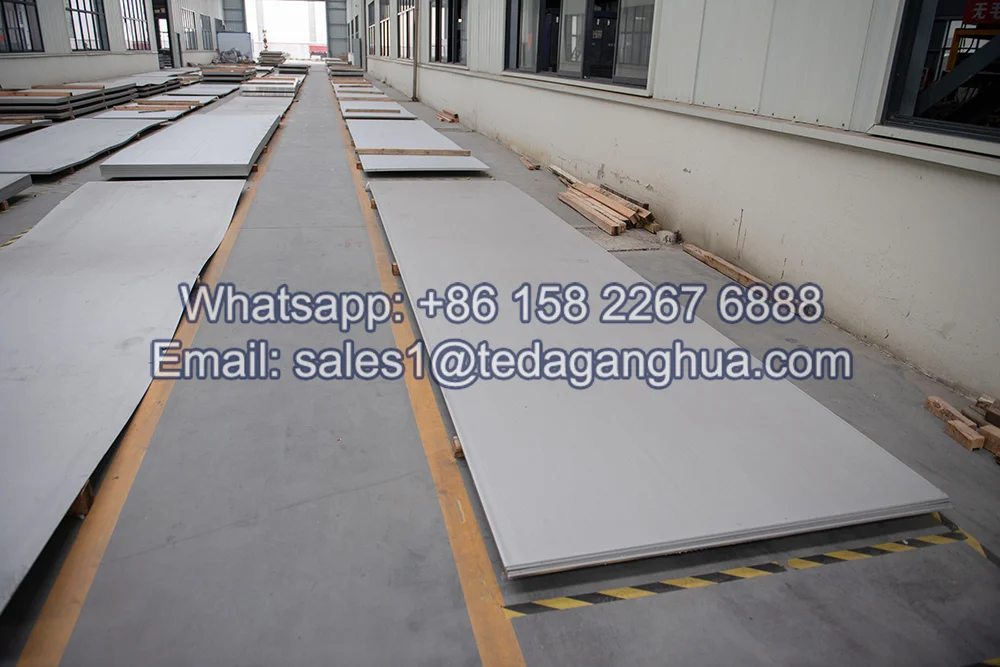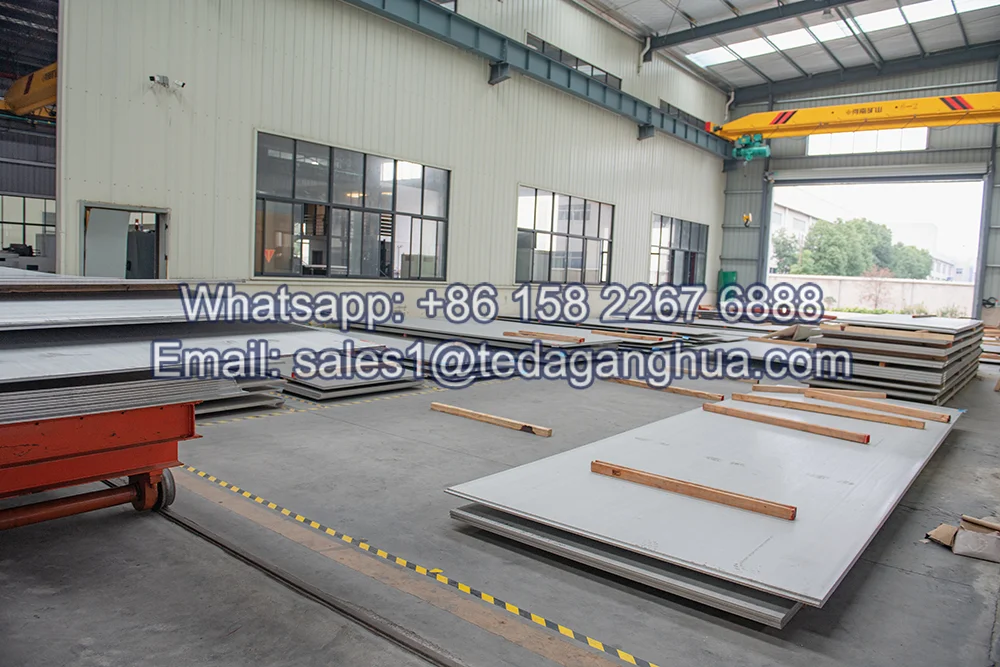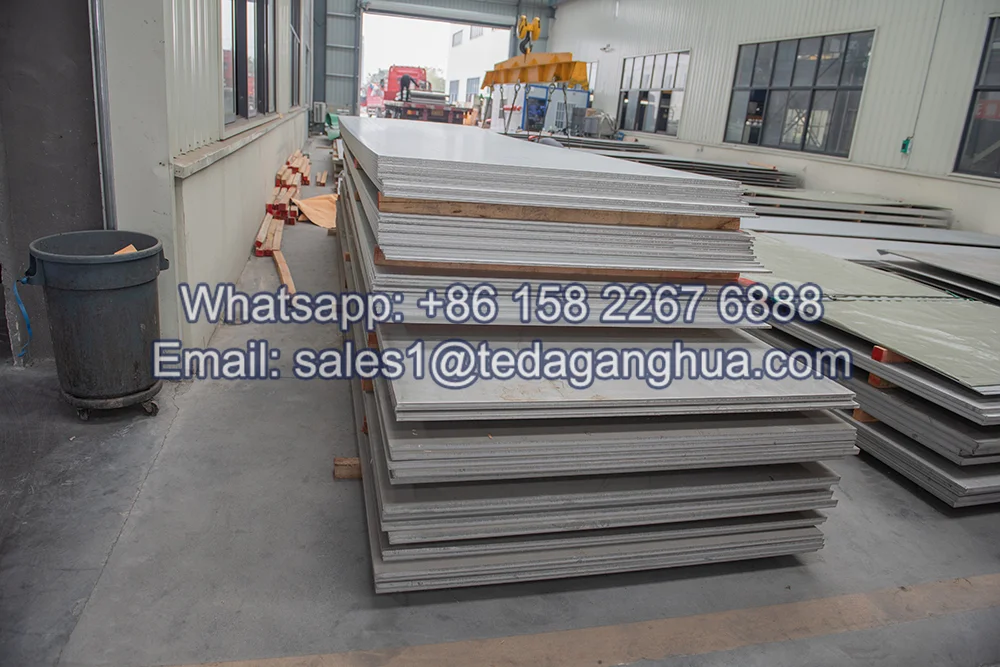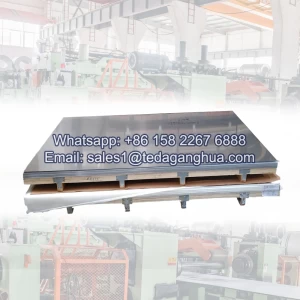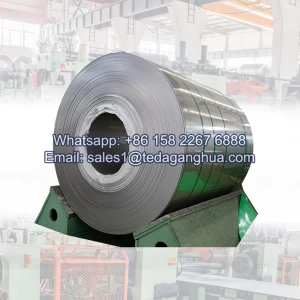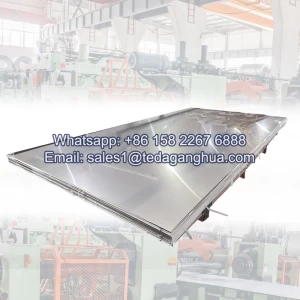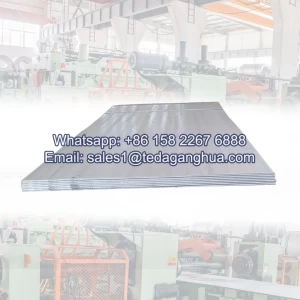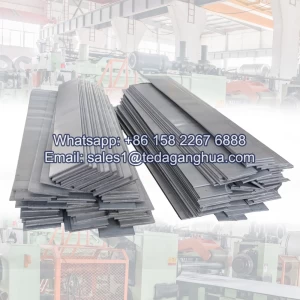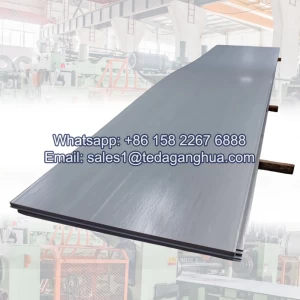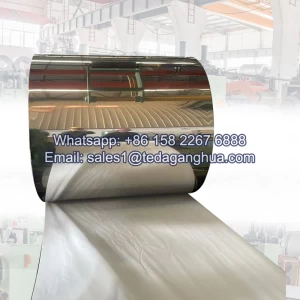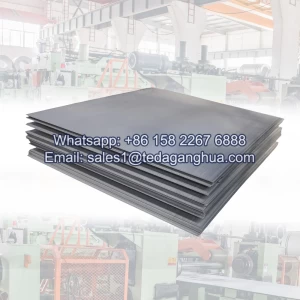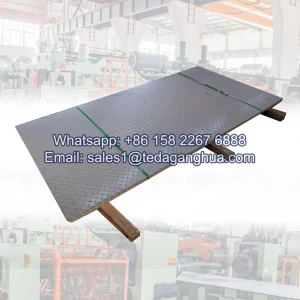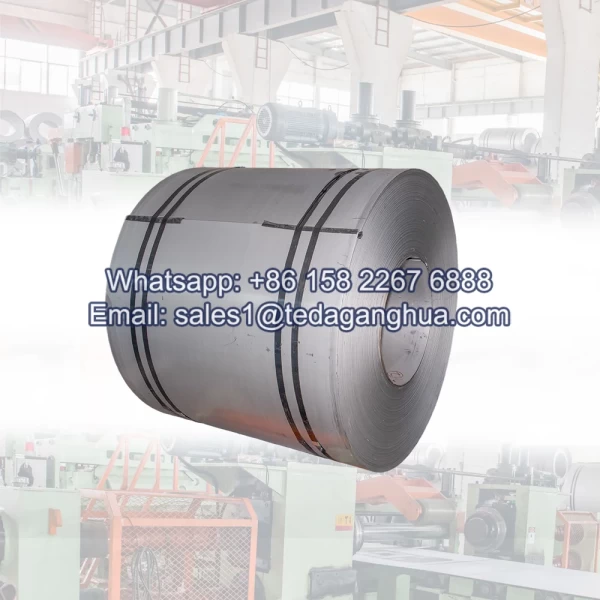
301 Stainless Steel Plate
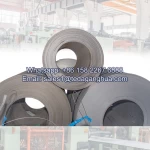
301 stainless steel plate is an austenitic stainless steel designed for high strength through cold working. Its excellent work hardening ability allows it to achieve significantly higher mechanical strength than 304 stainless steel, making it ideal for springs, structural strips, and high-strength industrial components. It offers good corrosion resistance in general environments while providing outstanding mechanical performance after processing.
- Description
301 stainless steel plate is an austenitic chromium-nickel stainless steel known for its excellent work hardening ability, high strength after cold working, and good corrosion resistance. Compared with 304 stainless steel, 301 can achieve significantly higher strength levels through cold deformation, making it widely used in spring components, structural parts, and high-strength sheet applications.
Chemical Composition of 301 Stainless Steel Plate
The alloy design is similar to 304 but with slightly lower chromium and nickel content to enhance work hardening behavior.
| Element | Content (%) |
|---|---|
| Chromium (Cr) | 16.0–18.0 |
| Nickel (Ni) | 6.0–8.0 |
| Carbon (C) | ≤ 0.15 |
| Manganese (Mn) | ≤ 2.00 |
| Silicon (Si) | ≤ 1.00 |
| Phosphorus (P) | ≤ 0.045 |
| Sulfur (S) | ≤ 0.03 |
| Iron (Fe) | Balance |
Mechanical Properties of 301 Stainless Steel
301 stainless steel shows wide property variation depending on cold working level. Its strength increases significantly with deformation.
| Property | Typical Value |
|---|---|
| Tensile Strength | 520–1300 MPa (cold worked) |
| Yield Strength | ≥ 205 MPa (annealed), up to 1000+ MPa (cold worked) |
| Elongation | 5–40% (depends on condition) |
| Hardness | ≤ 217 HB (annealed), much higher after cold work |
| Density | 7.9 g/cm³ |
Main Performance Features
1. Excellent Work Hardening Ability
301 stainless steel is one of the most commonly used grades for work hardening applications. Its strength increases rapidly during cold rolling, stamping, or bending.
This makes it ideal for:
- Spring components
- High-strength strips
- Structural reinforcement parts
2. Good Corrosion Resistance
301 stainless steel provides corrosion resistance similar to 304 in:
- Atmospheric environments
- Fresh water systems
- Mild industrial conditions
However, it is less suitable for strong chloride or marine environments compared to 316.
3. High Strength After Cold Working
Unlike many stainless steels, 301 can reach very high tensile strength after cold rolling, making it suitable for lightweight but strong structural applications.
4. Good Formability (Annealed Condition)
In the annealed state, 301 stainless steel has good ductility and can be easily formed into complex shapes before strengthening through cold work.
Common Applications of 301 Stainless Steel Plate
301 stainless steel plate is widely used in applications requiring high strength and spring-like performance.
Typical applications include:
- Spring components and spring clips
- Railway and transportation parts
- Automotive structural components
- Conveyor belts and belt springs
- Electrical connectors
- Metal stamping parts
- Reinforcement plates
- Industrial structural strips
- Hose clamps
- High-strength fasteners
301 Stainless Steel vs 304 Stainless Steel
| Property | 301 Stainless Steel | 304 Stainless Steel |
|---|---|---|
| Strength Potential | Very high (after cold work) | Moderate |
| Work Hardening | Excellent | Moderate |
| Corrosion Resistance | Good | Better |
| Nickel Content | Lower | Higher |
| Typical Use | Springs, high-strength parts | General fabrication |