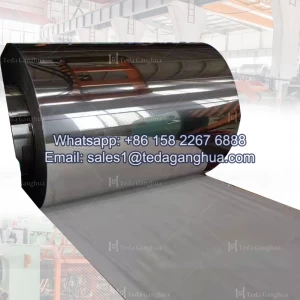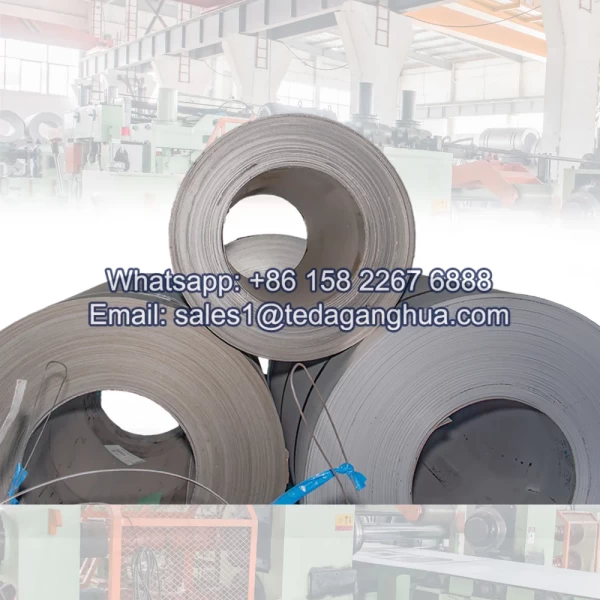
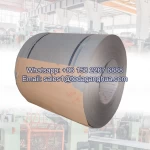
- Description
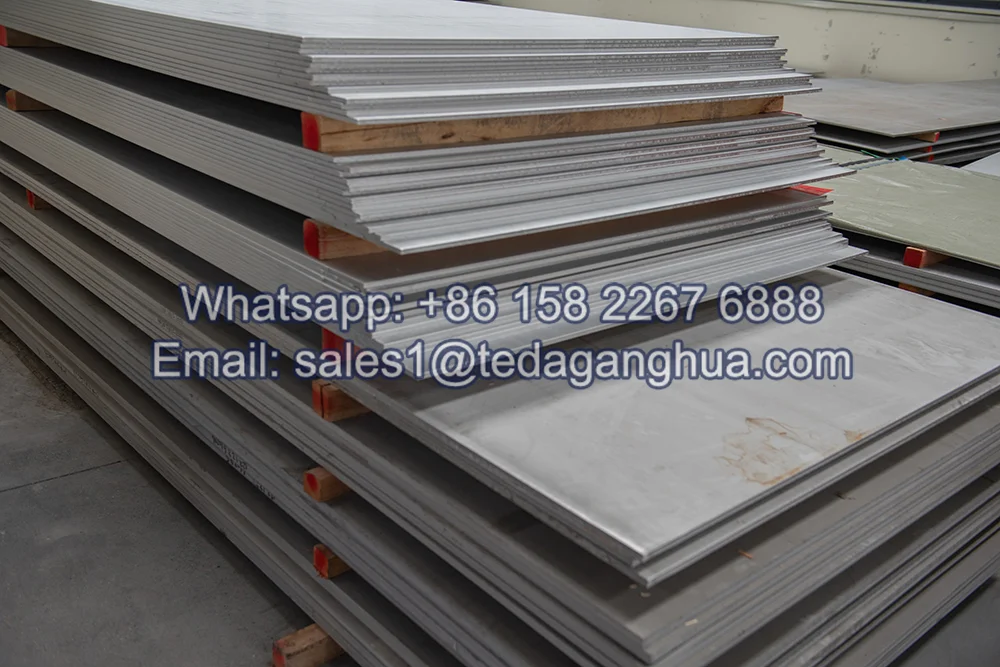
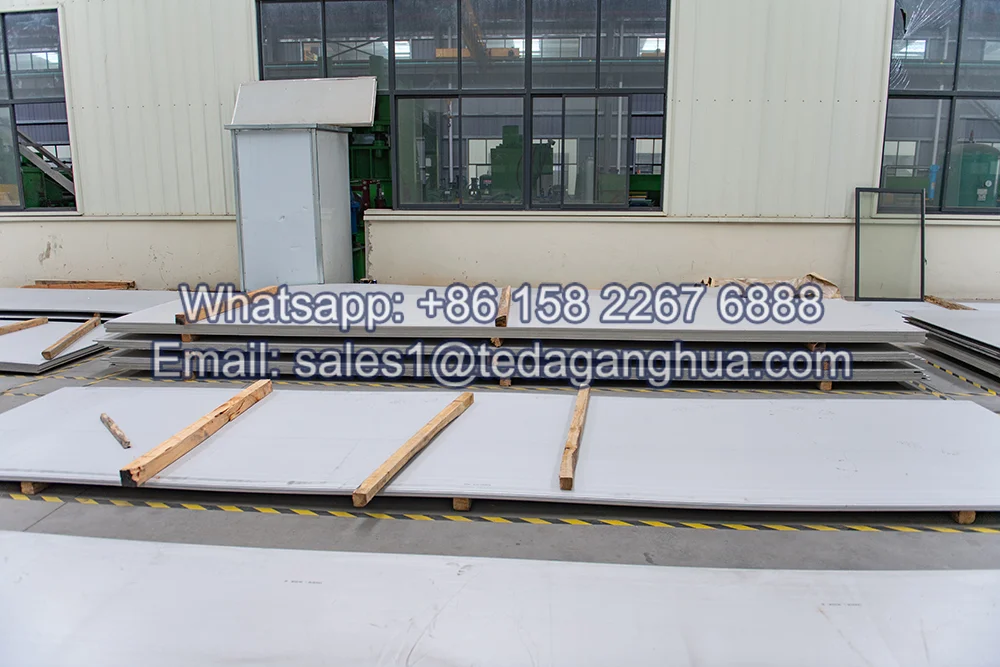
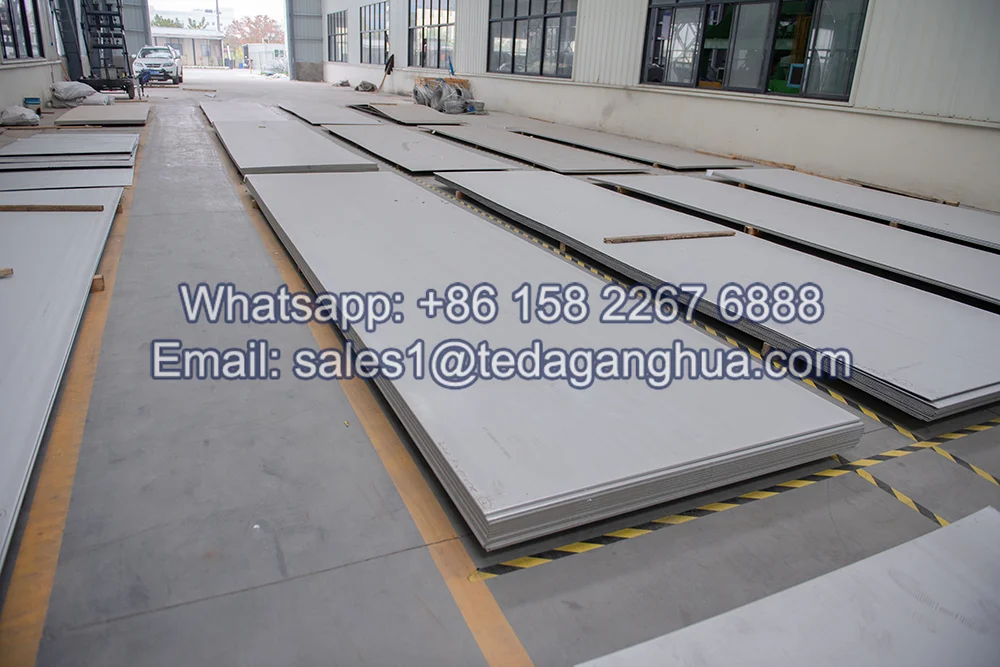
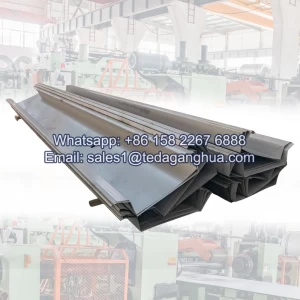
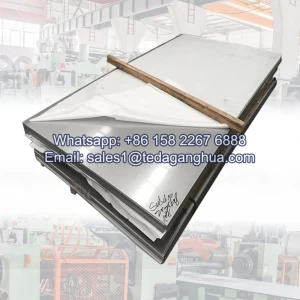
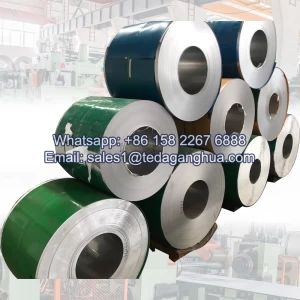
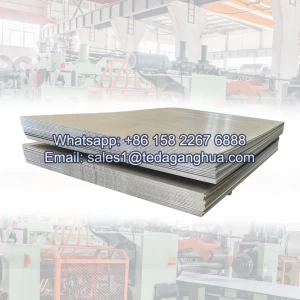
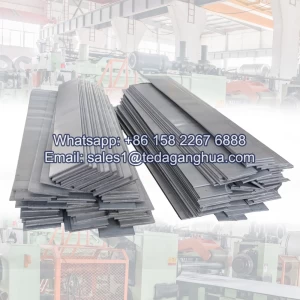
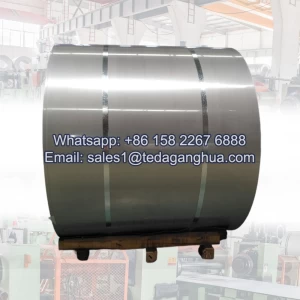
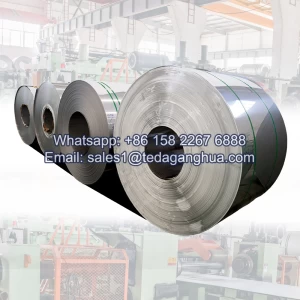
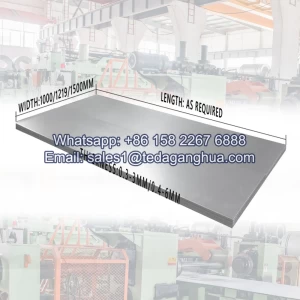
2507 stainless steel plate (also known as Super Duplex Stainless Steel) is a high-performance duplex alloy combining austenitic and ferritic microstructures. It is designed for extremely aggressive environments where both high strength and outstanding corrosion resistance are required. Compared with standard duplex grades like 2205, 2507 offers significantly improved resistance to chloride pitting, crevice corrosion, and stress corrosion cracking.
Chemical Composition of 2507 Stainless Steel Plate
The balanced high chromium, nickel, and molybdenum content gives 2507 its super duplex performance.
| Element | Content (%) |
|---|---|
| Chromium (Cr) | 24.0–26.0 |
| Nickel (Ni) | 6.0–8.0 |
| Molybdenum (Mo) | 3.0–5.0 |
| Nitrogen (N) | 0.24–0.32 |
| Carbon (C) | ≤ 0.03 |
| Manganese (Mn) | ≤ 1.20 |
| Silicon (Si) | ≤ 0.80 |
| Phosphorus (P) | ≤ 0.035 |
| Sulfur (S) | ≤ 0.02 |
| Iron (Fe) | Balance |
Mechanical Properties of 2507 Stainless Steel
2507 stainless steel provides very high strength while maintaining good toughness and corrosion resistance.
| Property | Typical Value |
|---|---|
| Tensile Strength | 800–1000 MPa |
| Yield Strength | ≥ 550 MPa |
| Elongation | ≥ 15–25% |
| Hardness | ≤ 300 HB |
| Density | 7.8 g/cm³ |
Main Performance Features
1. Excellent Corrosion Resistance
2507 stainless steel is designed for extreme corrosion environments, offering superior resistance to:
- Seawater and marine environments
- Chloride-rich chemical solutions
- Acidic and oxidizing conditions
- Offshore oil and gas systems
Its pitting resistance equivalent number (PREN) is very high, making it suitable for long-term seawater exposure.
2. High Strength (Dual Phase Structure)
The duplex structure (ferrite + austenite) gives 2507:
- Nearly double the strength of 304/316 stainless steel
- Excellent load-bearing capacity
- Reduced material thickness for same strength requirements
- Good fatigue resistance
3. Resistance to Stress Corrosion Cracking
Unlike standard austenitic stainless steels, 2507 has excellent resistance to chloride stress corrosion cracking, making it ideal for offshore and seawater applications.
4. Good Thermal Conductivity and Stability
Compared with austenitic grades, 2507 offers:
- Better thermal conductivity
- Lower thermal expansion
- Stable performance under temperature variation
Common Applications of 2507 Stainless Steel Plate
2507 stainless steel plate is widely used in highly corrosive and high-strength engineering environments.
Typical applications include:
- Offshore oil and gas platforms
- Seawater desalination systems
- Marine engineering structures
- Chemical processing equipment
- Heat exchangers and pressure vessels
- Flue gas desulfurization (FGD) systems
- Pulp and paper industry equipment
- Subsea pipelines and components
- High-pressure seawater systems
- Pumps, valves, and fittings
2507 Duplex vs 2205 Duplex Stainless Steel
| Property | 2507 Stainless Steel | 2205 Stainless Steel |
|---|---|---|
| Type | Super Duplex | Duplex |
| Corrosion Resistance | Higher | Good |
| Strength | Higher | High |
| PREN Value | ~40+ | ~35 |
| Chloride Resistance | Excellent | Good |
| Typical Use | Severe offshore/chemical | General marine/industrial |