Nitrogen vs Oxygen in 316 Stainless Steel Laser Cutting: Edge Quality, Weldability, and Process Performance Comparison
In 316 stainless steel laser cutting, the choice between nitrogen and oxygen as assist gas directly affects cut quality, oxidation level, and downstream weldability. Because 316 stainless steel contains molybdenum and higher alloy content, its reaction to cutting gases is different from standard carbon steel and even 304 stainless steel. Selecting the correct gas is critical for industries requiring clean welding preparation.
Gas Reaction Mechanism in 316 Stainless Steel Cutting
During laser cutting, assist gas is used to remove molten metal and control edge quality. Nitrogen is an inert gas that prevents oxidation, while oxygen actively reacts with molten metal to accelerate cutting speed through exothermic reaction.
For 316 stainless steel, oxidation control is especially important because chromium-rich oxide layers can significantly affect weld penetration and corrosion resistance.
Nitrogen vs Oxygen: Core Performance Comparison
| Performance Factor | Nitrogen (N₂) | Oxygen (O₂) |
|---|---|---|
| Cut Edge Quality | Clean, bright, oxide-free | Oxidized, darker edge |
| Weldability | Excellent, no post-cleaning needed | Reduced, requires grinding/cleaning |
| Cutting Speed | Moderate | Faster due to exothermic reaction |
| Heat Affected Zone (HAZ) | Smaller and controlled | Larger due to oxidation heat |
| Corrosion Resistance | Fully preserved | Reduced at edge zone |
Weldability Impact in 316 Stainless Steel Processing
Weldability is one of the most critical factors in 316 stainless steel fabrication. Nitrogen cutting produces a clean, oxide-free edge that allows direct welding without additional surface treatment. This significantly improves production efficiency in industries such as chemical processing, food equipment, and marine structures.
In contrast, oxygen cutting introduces a thin oxide layer and heat-affected discoloration. This layer must be removed before welding to avoid porosity and weak weld joints, increasing total processing time and cost.
Process Stability and Industrial Application
Nitrogen is widely used for high-precision applications where surface quality and weld integrity are critical. Oxygen is often selected in cost-sensitive or rough cutting operations where speed is prioritized over finishing quality.
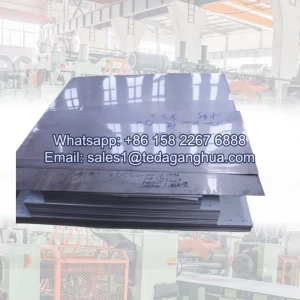
For heavy-duty industrial fabrication, especially when using high-quality stainless steel plate, nitrogen cutting is the preferred solution to ensure consistent weld performance.
Energy and Cost Considerations
Although oxygen cutting reduces laser power demand and increases cutting speed, additional post-processing such as grinding, pickling, or passivation often offsets initial savings. Nitrogen cutting increases gas cost but reduces secondary processing steps, making it more economical for high-end applications.
FAQ
Is nitrogen always better than oxygen for 316 stainless steel laser cutting?
Nitrogen is generally better for weldability and surface quality, but oxygen may be used when cutting speed is the primary requirement and post-processing is acceptable.
Why does oxygen reduce weld quality in 316 stainless steel?
Oxygen creates an oxidized layer on the cut edge, which can lead to contamination, porosity, and reduced corrosion resistance during welding.
Does nitrogen increase cutting cost significantly?
Nitrogen increases gas consumption cost, but it often reduces overall production cost by eliminating secondary cleaning and finishing processes.
Can oxygen-cut edges be welded after cleaning?
Yes, but the oxidized layer must be fully removed through grinding or chemical cleaning to ensure proper weld integrity.
Which gas is preferred for high-precision 316 stainless steel fabrication?
Nitrogen is preferred because it ensures clean, oxide-free edges and stable weld performance in precision applications.