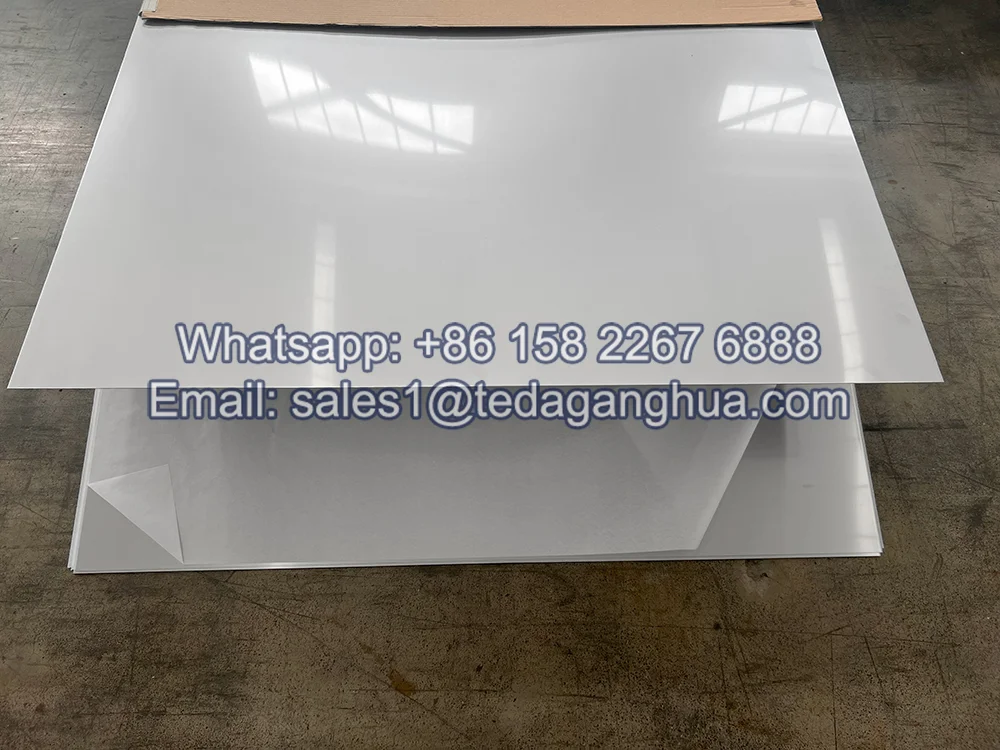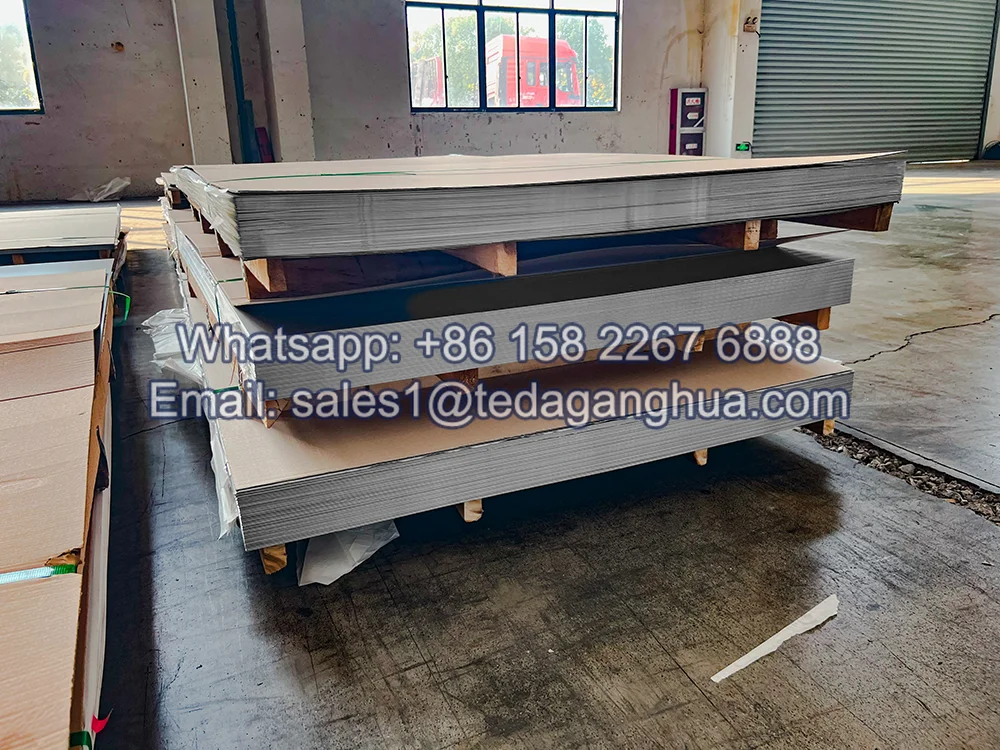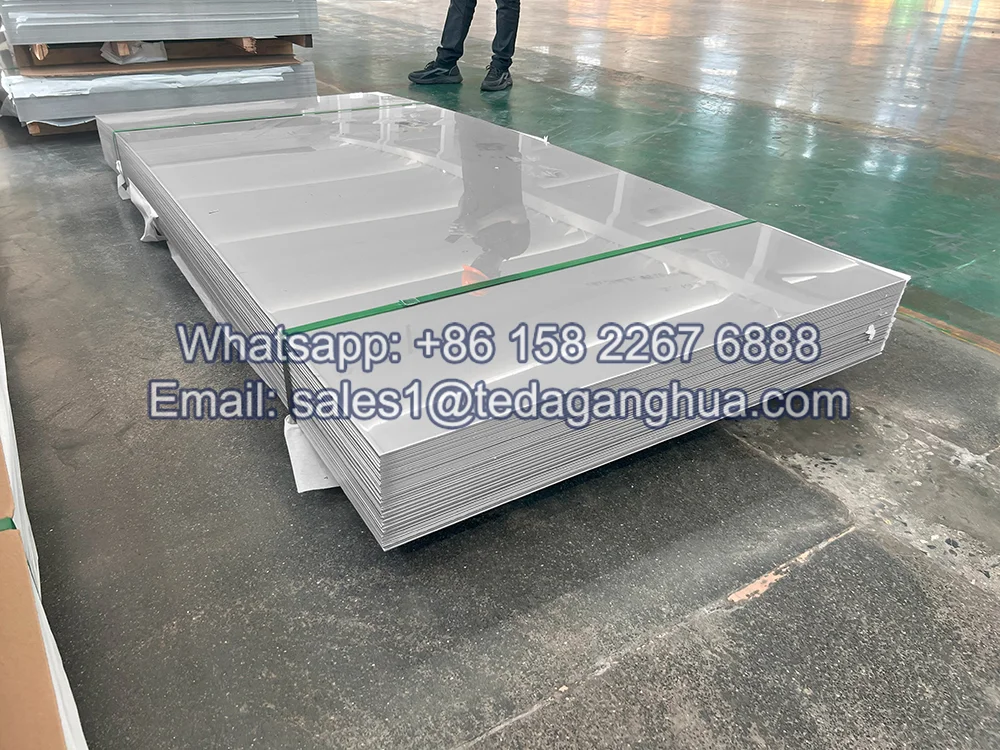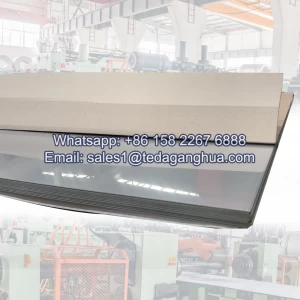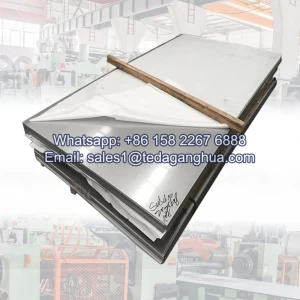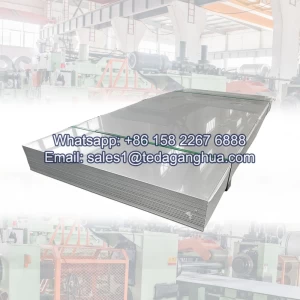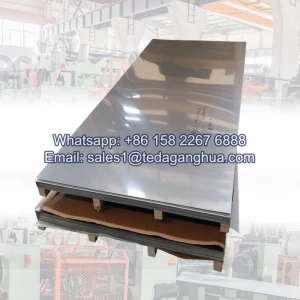
SS 316 Sheet Price

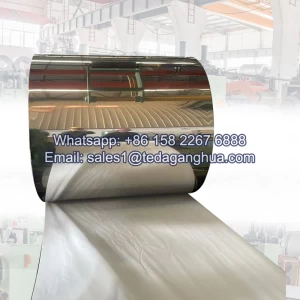
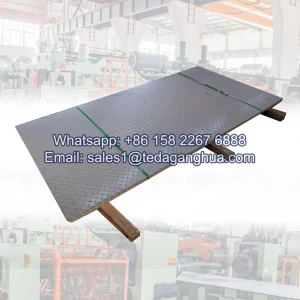
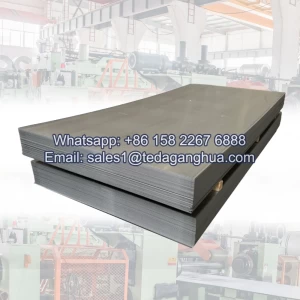
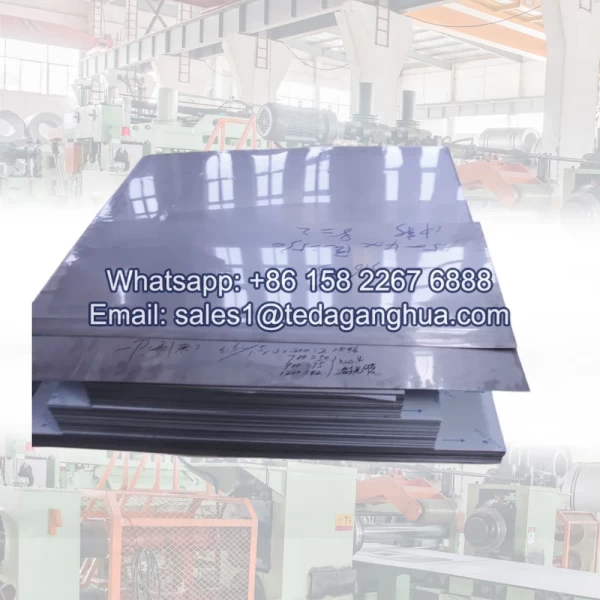
Within the 300-series stainless steel, SS 316 sheets are more expensive than 304 and 304L due to higher nickel and molybdenum content and superior corrosion resistance. 316L is even pricier because of its low carbon content, which enhances weldability and performance in marine or chemical environments. Choosing a grade depends on application, environment, and mechanical requirements, balancing cost with performance.
- Description
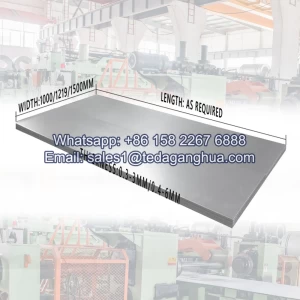
SS 316 sheets belong to the 300-series austenitic stainless steels, which are widely used for corrosion resistance and durability. Understanding the price requires comparing different 300-series grades, as alloy composition and performance directly affect cost.
Common 300-Series Stainless Steel Grades
| Grade | Key Composition | Corrosion Resistance | Mechanical Strength | Typical Applications | Relative Price |
|---|---|---|---|---|---|
| 304 | C ≤ 0.08%, Cr 18–20%, Ni 8–10.5% | Good in mild environments | Moderate | Kitchen equipment, appliances, architectural panels | Lowest |
| 304L | C ≤ 0.03%, Cr 18–20%, Ni 8–10.5% | Slightly better than 304 for welding | Slightly lower | Chemical tanks, piping, welded structures | Slightly higher than 304 |
| 304H | C 0.04–0.10%, Cr 18–20%, Ni 8–10.5% | High temperature resistance | Higher tensile strength | Boilers, heat exchangers | Higher than 304L |
| 316 | C ≤ 0.08%, Cr 16–18%, Ni 10–14%, Mo 2–3% | Excellent, especially against chloride corrosion | Moderate | Marine environments, chemical processing | Higher than 304/304L |
| 316L | C ≤ 0.03%, Cr 16–18%, Ni 10–14%, Mo 2–3% | Best for welding and marine exposure | Slightly lower than 316 | Chemical tanks, marine equipment | Higher than 316 |
| 316H | C 0.04–0.10%, Cr 16–18%, Ni 10–14%, Mo 2–3% | Good at elevated temperatures | Higher strength | Heat exchangers, high-temp piping | Similar or slightly above 316L |
Price Factors Within 300-Series
-
Nickel and Molybdenum Content
-
316-series contains Mo, improving corrosion resistance, especially in chloride environments.
-
Higher alloying elements → higher cost.
-
-
Carbon Content
-
Low-carbon variants (304L, 316L) are slightly more expensive due to controlled welding properties.
-
-
Mechanical and Temperature Requirements
-
Grades like 304H or 316H, designed for high-temperature applications, are priced higher.
-
-
Corrosion Resistance
-
Better corrosion-resistant grades (316, 316L) command higher prices than general-purpose 304.
-
Price Comparison Summary
| Grade | Typical Price Level | Notes |
|---|---|---|
| 304 | Low | Standard corrosion resistance |
| 304L | Slightly higher | Low carbon for welding |
| 316 | Medium-High | Chloride and marine resistance |
| 316L | High | Low carbon, superior weldability |
| 316H | Medium-High | High-temperature applications |