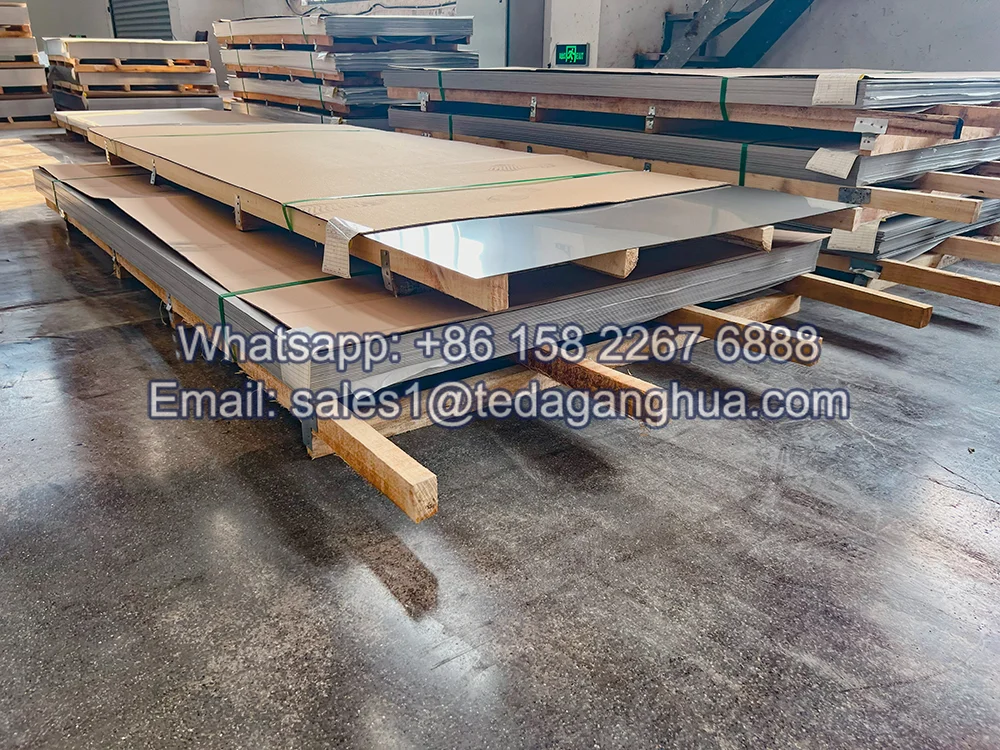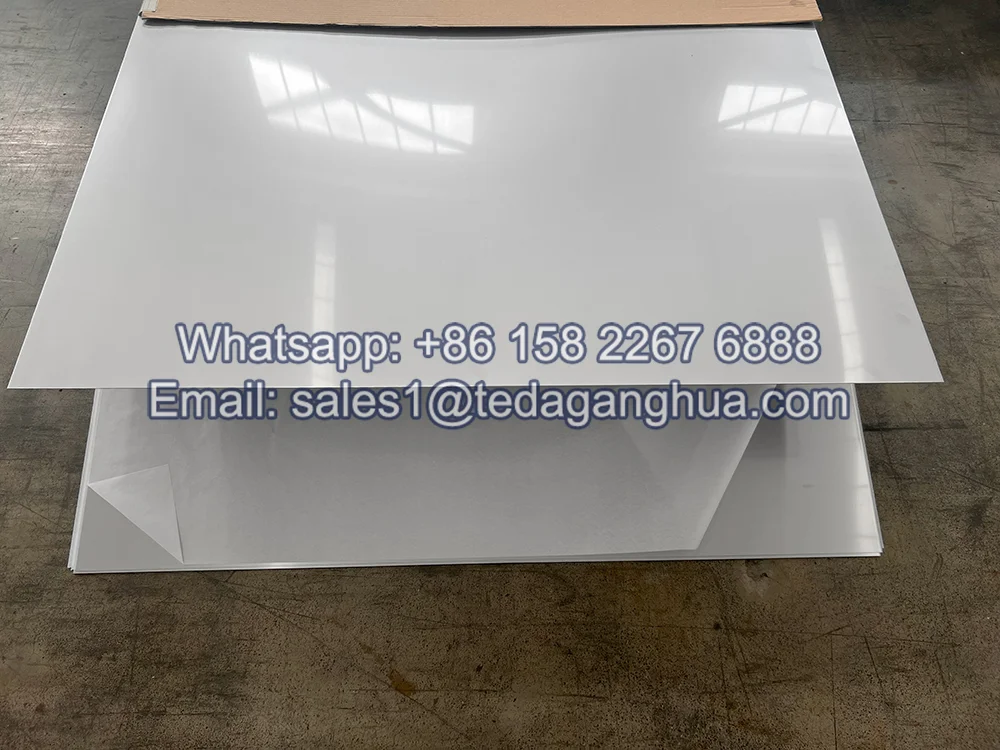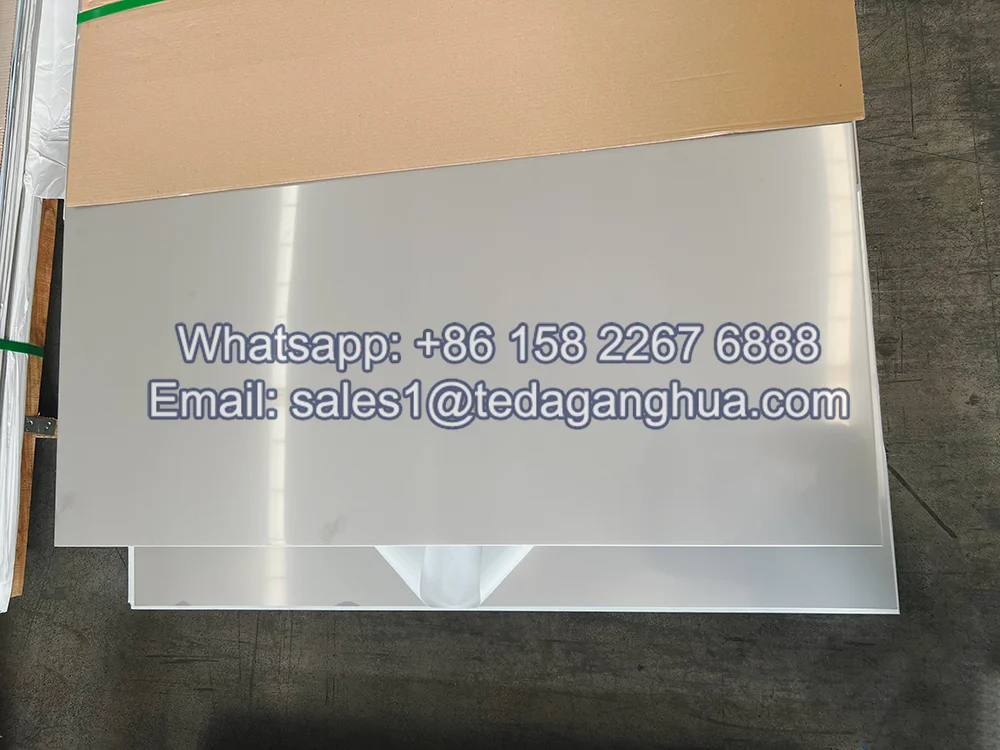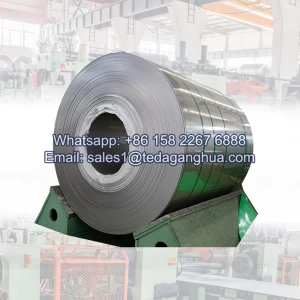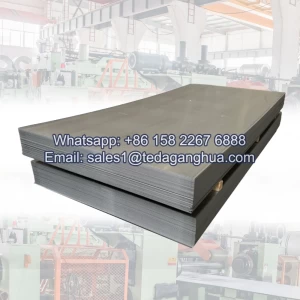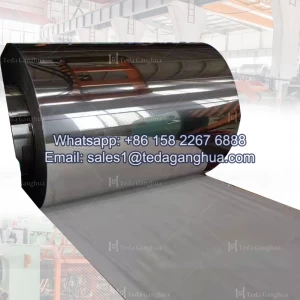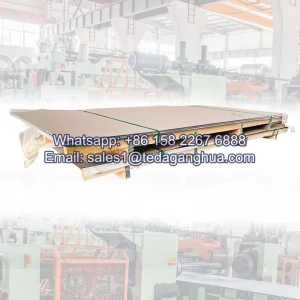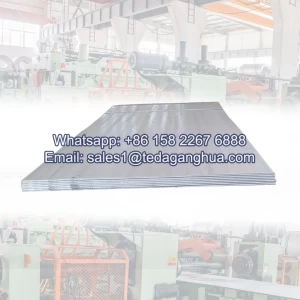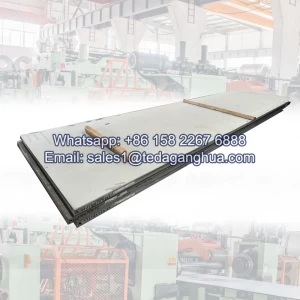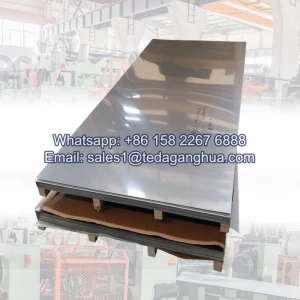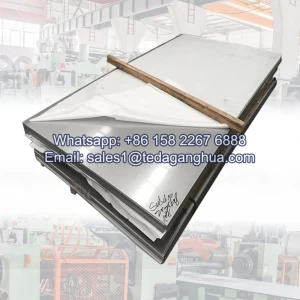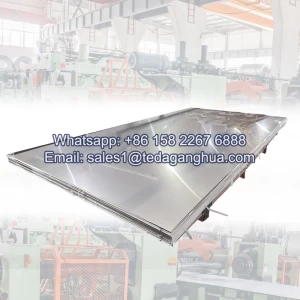
316l Stainless Sheet
316L stainless steel sheet is a low-carbon, austenitic stainless steel known for:
- Outstanding corrosion resistance, especially in chloride-rich or acidic environments
- Excellent weldability, suitable for complex fabrication
- Good mechanical strength and ductility
- Durability under harsh or industrial conditions
- Description
316L stainless steel is a low-carbon austenitic stainless steel, derived from 316, with carbon content typically ≤ 0.03%. The low carbon content prevents sensitization during welding, making it ideal for applications requiring high corrosion resistance and durability.
316L is widely used in marine, chemical, pharmaceutical, and food processing industries due to its excellent corrosion resistance and stability.
Key Properties of 316L Stainless Steel Sheet
1. Exceptional Corrosion Resistance
- Highly resistant to chloride corrosion, seawater, and acidic environments
- Performs better than 304 in pitting and crevice corrosion
- Ideal for coastal, chemical, and high-humidity environments
2. Excellent Weldability
- Low carbon content reduces risk of grain boundary carbide precipitation
- Allows welding without post-weld annealing
- Suitable for complex fabrication and structural applications
3. Good Mechanical Strength
| Property | Typical Value |
|---|---|
| Yield Strength | ≥ 170 MPa |
| Tensile Strength | 485 – 620 MPa |
| Elongation | ≥ 40% |
| Hardness | ≤ 95 HRB |
- Moderate strength with high ductility
- Can be cold worked to increase strength without significant loss of corrosion resistance
4. High Temperature Resistance
- Maintains good corrosion resistance at elevated temperatures
- Can operate continuously up to ~870°C in oxidizing conditions
5. Non-Magnetic Nature
- Austenitic structure ensures non-magnetic properties in annealed state
- Magnetic response may appear after severe cold working
Special Features of 316L Stainless Steel
- Superior Chloride Resistance
- Addition of 2–3% molybdenum enhances resistance to pitting in chloride environments
- Preferred for marine, offshore, and chemical applications
- Low Carbon Content
- ≤ 0.03% carbon prevents sensitization
- Reduces corrosion risk along welded joints
- Versatility in Applications
- Suitable for fabrication, machining, forming, and welding
- Can be produced in sheets, plates, coils, and strips
- Long-Term Durability
- Excellent resistance to oxidation, corrosion, and chemical attack
- Long service life in harsh or industrial environments
Common Applications of 316L Stainless Steel Sheet
Industrial & Chemical Equipment
- Heat exchangers, storage tanks, and pressure vessels
- Chemical processing equipment
Marine & Offshore
- Ship components and seawater piping
- Coastal construction elements
Food & Pharmaceutical
- Food processing machinery
- Pharmaceutical and medical equipment
- Brewing and dairy equipment
Architectural & Decorative
- High-end building cladding
- Handrails, panels, and elevators in corrosive environments