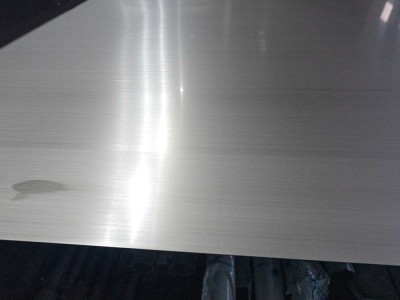
What is the difference between the frosted surface and the brushed surface of stainless steel plate?
Overview
The brushed surface is actually one type of frosted finish. Frosted surfaces usually include SB, HL (brushed), and NO.4 (snowflake).
-
Brushed (HL): Also called straight-grain finish. The lines are long and clear.
-
Snowflake (NO.4): Features shorter, finer lines.
Key Differences
1. Surface Texture
-
Frosted Surface: Created using a 150–180 grit sanding belt.
-
Brushed Surface: Made by grinding with 150–240 grit particles, giving it a more defined texture.
2. Usage
-
Frosted Surface: Commonly used for kitchenware and building materials.
-
Brushed Surface: Mostly applied to architectural and construction projects.
3. Grinding Method
-
NO.4 Frosting: Done by intermediate polishing.
-
HL Brushing: Uses a linear grinding process to create straight grains.
Frosting Methods
Two main frosting methods are used:
Manual Frosting
-
Done by hand.
-
Requires skilled workers.
-
May result in uneven textures if not done properly.
Machine Frosting
-
Fully automatic process.
-
Ensures consistent texture and depth.
-
Faster and more efficient.
Types of Frosting
Dry Frosting
-
A sanding belt is used.
-
No grinding liquid is added.
Wet Frosting
-
A grinding fluid is sprayed during the process.
-
Two types:
-
Water Grinding: Uses water as the fluid.
-
Oil Grinding: Uses oil, which gives a finer texture than water.
-
Grinding Forms
Plate Grinding
-
The stainless steel coil is cut into flat plates first.
-
Both dry and wet methods can be used.
Roll Grinding
-
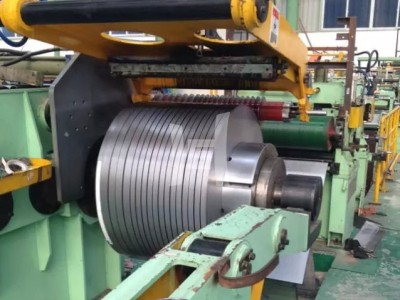
The full coil is ground.
-
Usually done with wet grinding.