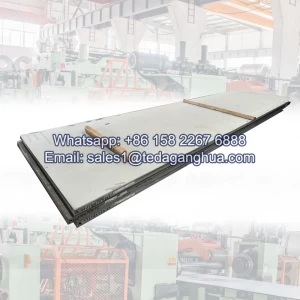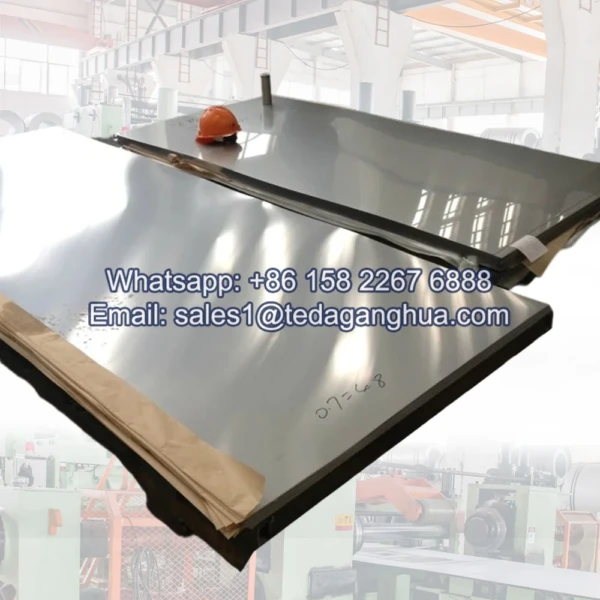

- Sự miêu tả
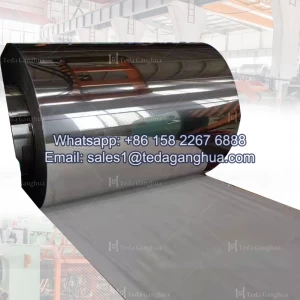
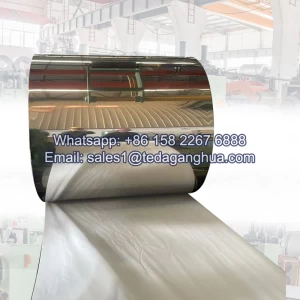
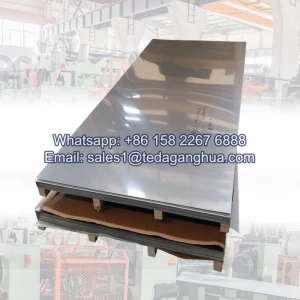
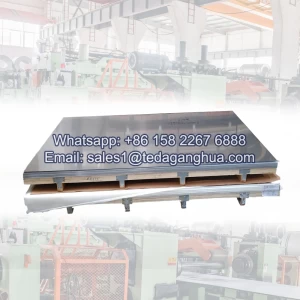
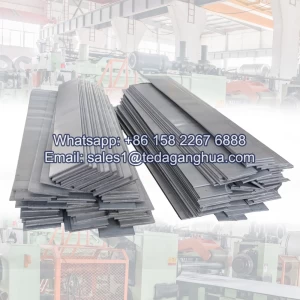
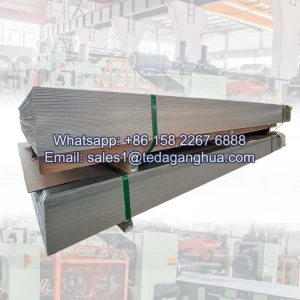
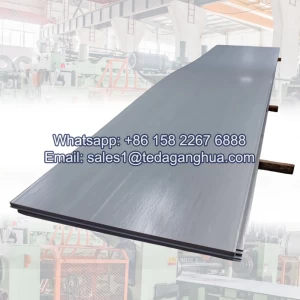
Thick stainless steel sheet refers to medium and heavy gauge stainless steel plates used in structural engineering, thiết bị công nghiệp, bình áp lực, đóng tàu, chế tạo máy móc, and heavy fabrication industries. Compared with thin stainless steel sheets, thick plates provide higher strength, khả năng chịu tải tốt hơn, và cải thiện sự ổn định của cấu trúc.
The definition of “thick” stainless steel sheet varies by industry, but materials above approximately 3 mm thickness are generally classified as medium or thick stainless steel plates.
1. Common Thickness Range of Stainless Steel Sheets and Plates
| Category | Phạm vi độ dày | Typical Application |
|---|---|---|
| Thin Stainless Steel Sheet | 0.3 mm – 3 mm | trang trí, thiết bị nhà bếp, chế tạo chính xác |
| Medium Thickness Plate | 3 mm – 20 mm | Chế tạo kết cấu, xe tăng, máy móc |
| Thick Stainless Steel Plate | 20 mm – 60 mm | Heavy industry, bình áp lực |
| Extra Thick Stainless Steel Plate | 60 mm trở lên | Ngoài khơi, đóng tàu, heavy engineering |
2. Common Standard Thickness Specifications
The following thicknesses are commonly available in international stainless steel markets:
Thin to Medium Thickness
- 1 mm
- 1.5 mm
- 2 mm
- 3 mm
- 4 mm
- 5 mm
- 6 mm
Medium to Heavy Thickness
- 8 mm
- 10 mm
- 12 mm
- 14 mm
- 16 mm
- 20 mm
- 25 mm
Heavy Plate Thickness
- 30 mm
- 40 mm
- 50 mm
- 60 mm
- 80 mm
- 100 mm trở lên
3. Thông số kỹ thuật chiều rộng và chiều dài phổ biến
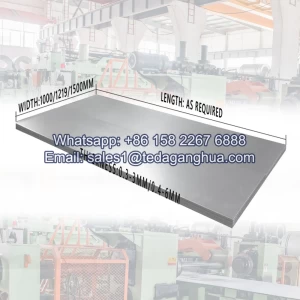
Thick stainless steel sheets are typically supplied in standard plate dimensions.
| Chiều rộng | Chiều dài chung |
|---|---|
| 1000 mm | 2000 mm |
| 1219 mm | 2438 mm |
| 1500 mm | 3000 mm |
| 1800 mm | 6000 mm |
| 2000 mm | 6000 mm |
Custom cutting and processing sizes are also common in industrial applications.
4. Hot Rolled vs Cold Rolled Thickness Range
Thép không gỉ cán nguội
- Usually produced from 0.3 mm đến 6 mm
- Better surface finish and dimensional accuracy
- Common surface finishes: 2B, cử nhân, chải
Thép không gỉ cán nóng
- Commonly produced above 3 mm thickness
- Suitable for heavy plates and structural applications
- Typical surface finish: Kết thúc số 1
Thicker stainless steel plates are generally manufactured using hot rolling processes.
5. Common Stainless Steel Grades for Thick Plates
| Cấp | Main Characteristics |
|---|---|
| 304 | Chống ăn mòn chung |
| 304L | Khả năng hàn tốt hơn |
| 316 | Cải thiện khả năng kháng clorua |
| 316L | Carbon thấp, chemical applications |
| 310S | Chịu nhiệt độ cao |
| 2205 song công | High strength and corrosion resistance |
6. Industrial Applications of Thick Stainless Steel Plates
Thick stainless steel sheets are widely used in:
- Bình chịu áp lực
- Bể chứa hóa chất
- Shipbuilding structures
- Nền tảng ngoài khơi
- Heavy machinery manufacturing
- Bộ trao đổi nhiệt
- Industrial pipelines
- Structural engineering systems
7. Processing Characteristics of Thick Stainless Steel
As thickness increases, processing difficulty also increases.
Phương pháp xử lý thông thường:
- Cắt plasma
- Cắt tia nước
- gia công CNC
- Heavy plate welding
- Rolling and forming
Key considerations:
- Higher welding heat input required
- Stronger forming equipment needed
- Slower machining speed
- Stress control during fabrication