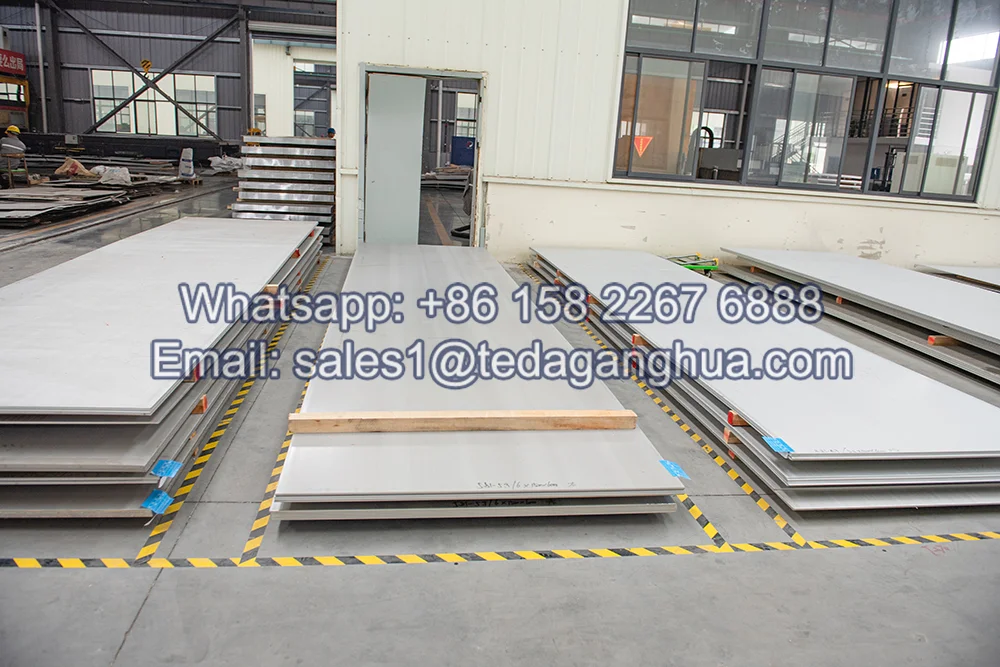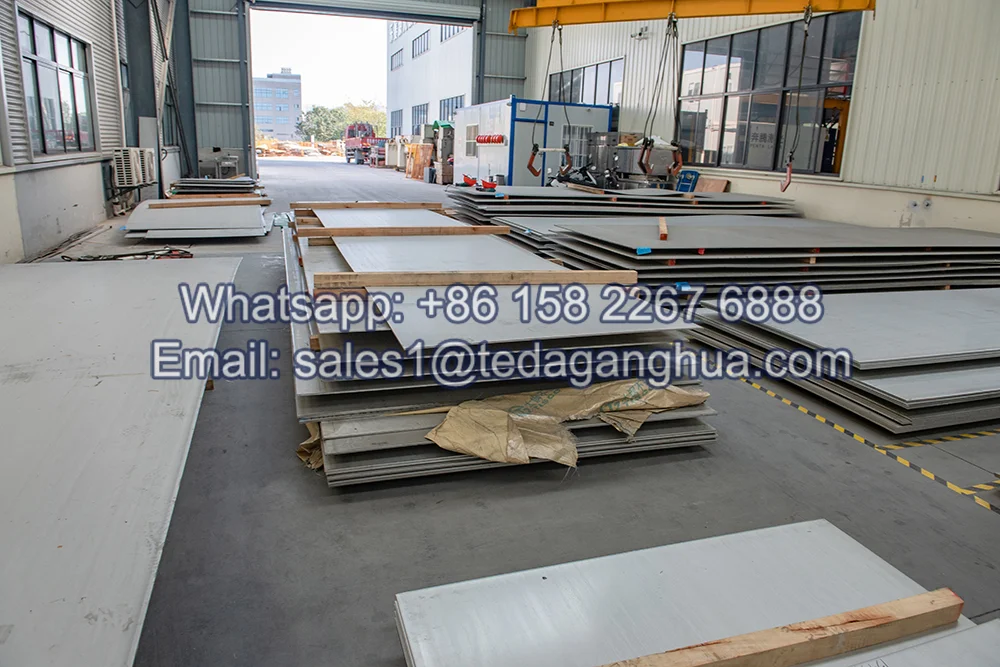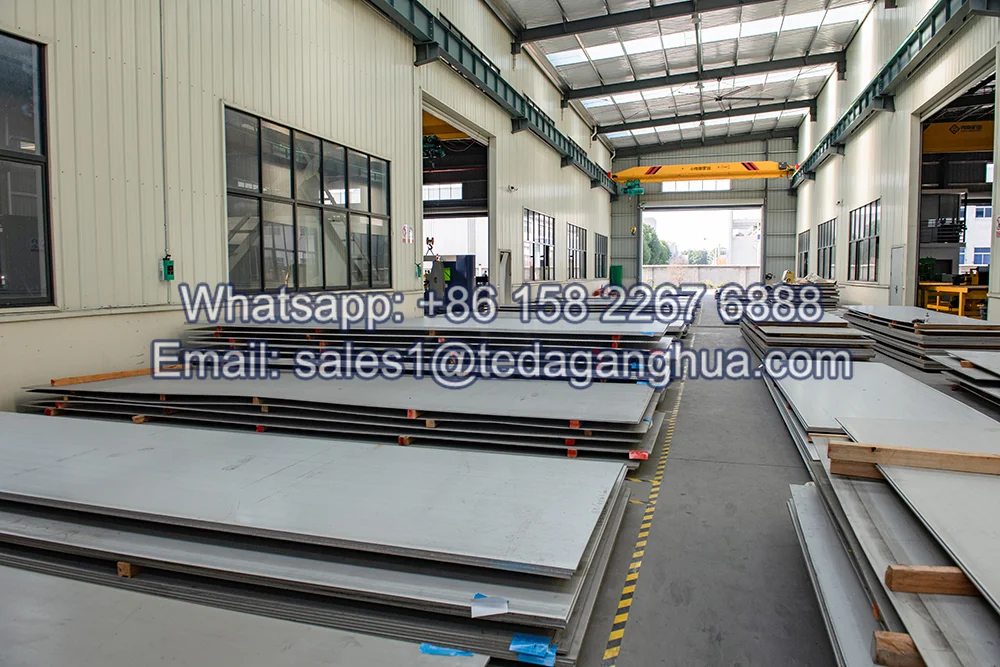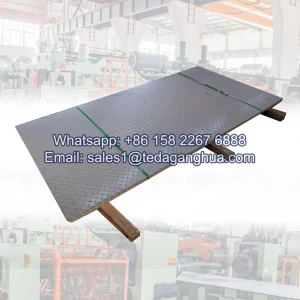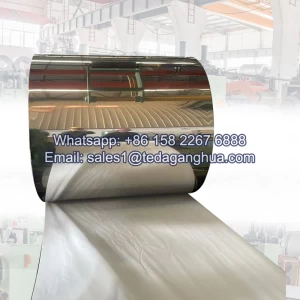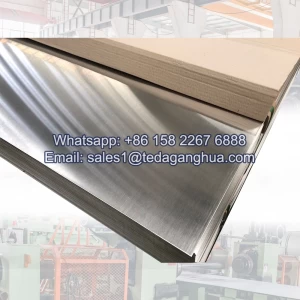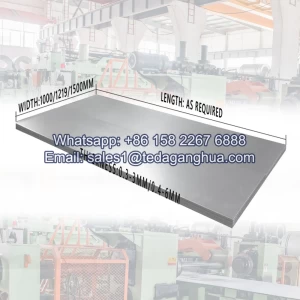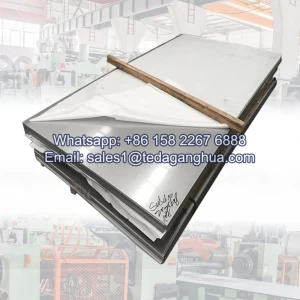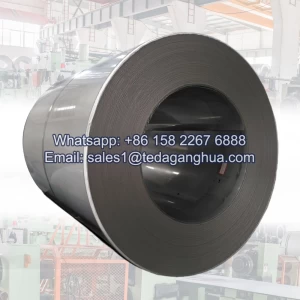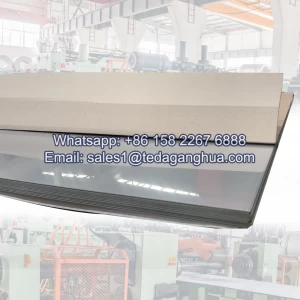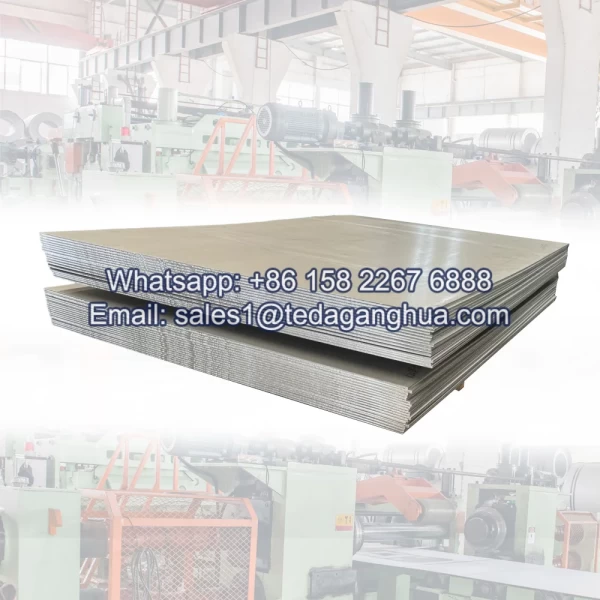
Giá tấm kim loại thép không gỉ


các stainless steel metal sheet price depends largely on material grade, thành phần hợp kim, độ dày, bề mặt hoàn thiện, and market conditions.
-
Lower alloy grades such as 201 Và 430 generally have lower prices.
-
304 offers a balance between cost and corrosion resistance.
-
316 and 316L command higher prices due to added molybdenum and superior corrosion resistance.
Understanding the relationship between composition, hiệu suất, and cost helps buyers choose the most suitable stainless steel sheet for their specific application while optimizing overall project value.
- Sự miêu tả
Khi đánh giá stainless steel metal sheet price, it is important to understand that pricing varies depending on cấp, độ dày, bề mặt hoàn thiện, yêu cầu xử lý, and market raw material costs (nickel and chromium). Different stainless steel grades have different alloy compositions, which directly affect both performance and price levels.
1. Main Factors Affecting Stainless Steel Sheet Price
1.1 Lớp vật liệu
The alloy content—especially nickel and molybdenum—has the greatest impact on price. Higher alloy content generally means higher cost.
1.2 Độ dày và kích thước
-
Thicker sheets require more raw material, increasing total cost.
-
Custom sizes may add processing costs.
1.3 Hoàn thiện bề mặt
-
2B finish is typically the most economical.
-
cử nhân, Số 4, HL, or mirror finishes require additional processing and increase price.
1.4 Dịch vụ xử lý
Cắt, đánh bóng, rạch, uốn cong, or surface grinding will affect the final price.
1.5 Market Raw Material Fluctuations
Stainless steel prices are influenced by global nickel and molybdenum market changes.
2. Common Stainless Steel Grades and Price Comparison
Below is a general comparison of commonly used stainless steel sheet grades:
| Cấp | Nội dung niken | Molypden | Chống ăn mòn | Relative Price Level | Ứng dụng điển hình |
|---|---|---|---|---|---|
| 201 | Thấp | KHÔNG | Vừa phải | Thấp hơn | trang trí, indoor use |
| 304 | 8–10% | KHÔNG | Tốt | Trung bình | Phòng bếp, general industry |
| 304L | 8–10% | KHÔNG | Tốt (better weldability) | Trung bình | Welded structures |
| 316 | 10–14% | 2–3% | Rất tốt | Cao hơn | Hàng hải, hóa chất |
| 316L | 10–14% | 2–3% | Rất tốt (carbon thấp) | Cao hơn | Hàng hải, vệ sinh |
| 430 | Very Low | KHÔNG | Vừa phải | Thấp hơn | Thiết bị gia dụng, tấm trang trí |
Ghi chú: The table reflects general market positioning rather than specific quotations.
3. Why Different Grades Have Different Prices
3.1 Nội dung niken
Nickel significantly increases corrosion resistance and stability but also raises cost.
-
304 contains moderate nickel → mid-range pricing.
-
316 contains higher nickel + molybdenum → higher price.
3.2 Molybdenum Addition
Grades like 316 and 316L include molybdenum, which improves resistance to chloride corrosion and increases material cost.
3.3 Production Complexity
Some specialty grades require more controlled manufacturing processes, increasing cost.
4. Price vs Performance Consideration
Choosing stainless steel sheet should not be based only on price. It should match the application environment:
-
Indoor decorative applications: 201 hoặc 430 may be sufficient.
-
Sử dụng công nghiệp nói chung: 304 provides balanced performance and cost.
-
Môi trường biển hoặc hóa chất: 316 or 316L offers better long-term value despite higher initial cost.
Selecting the correct grade can reduce maintenance and replacement costs over time.