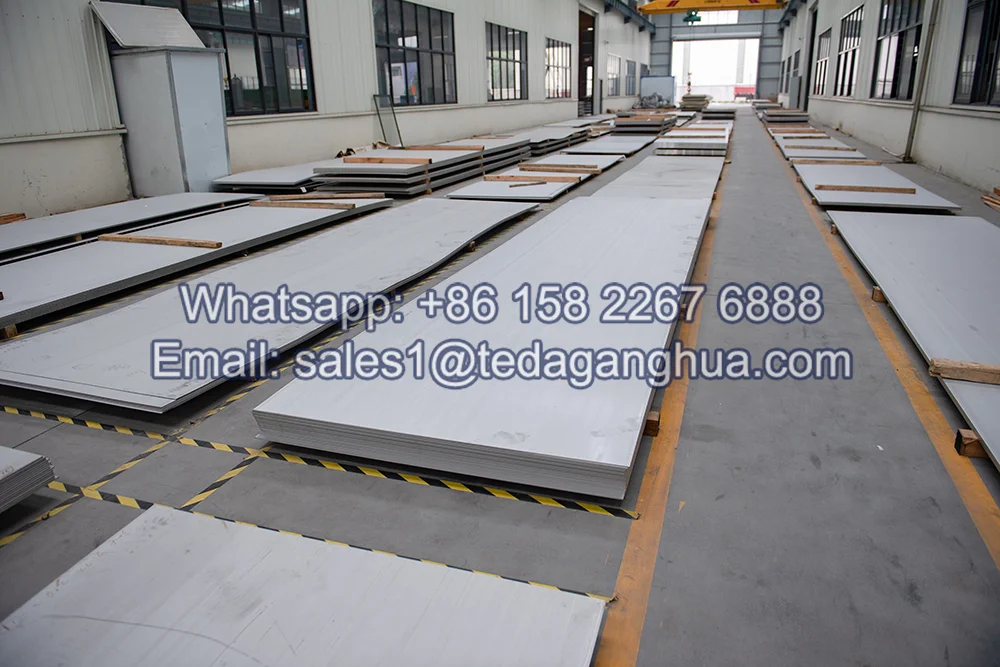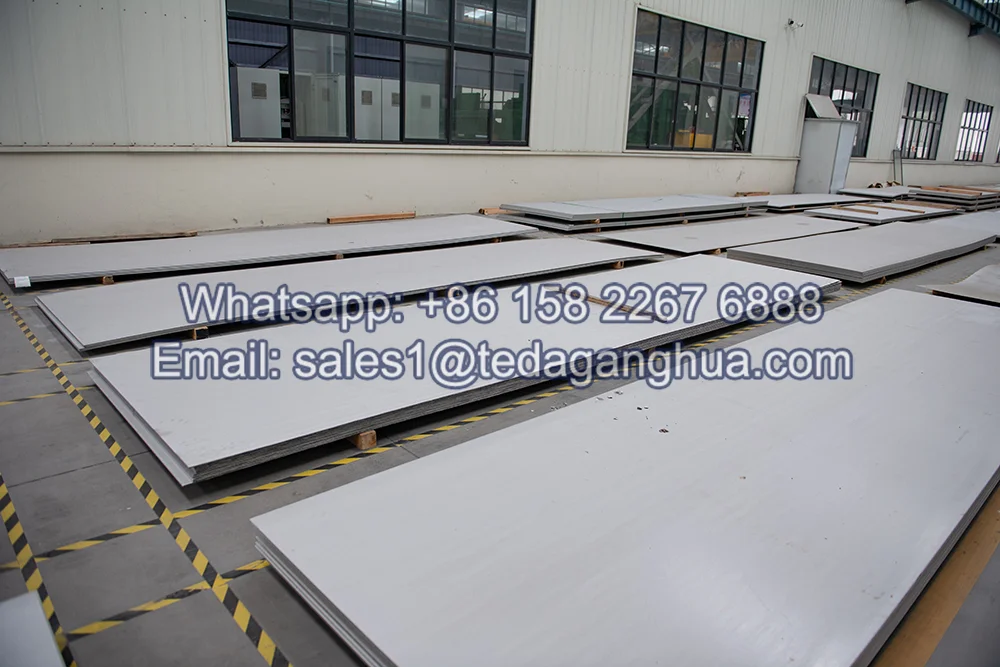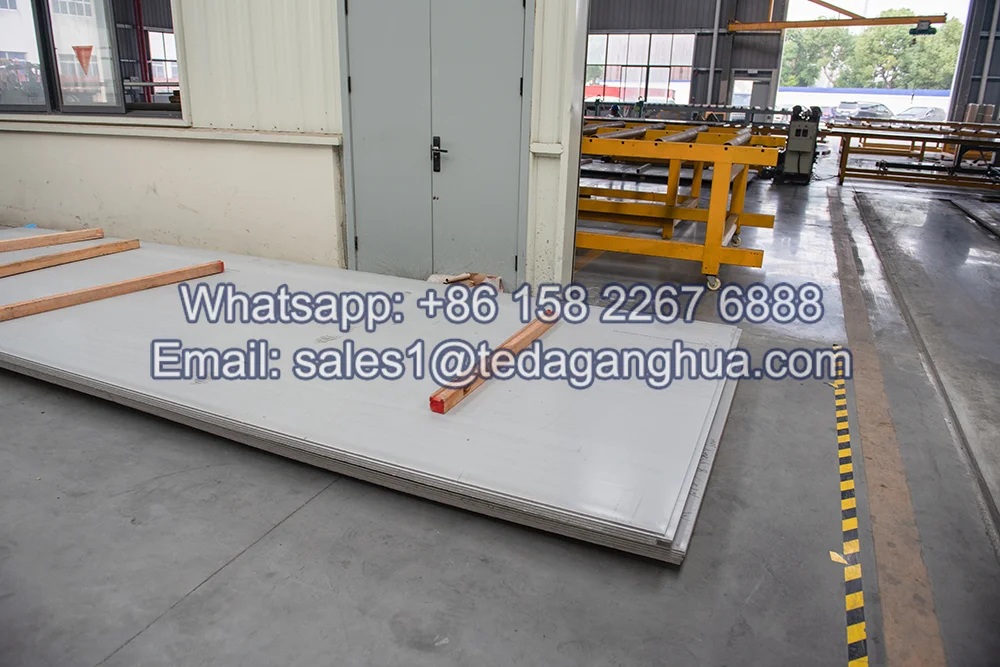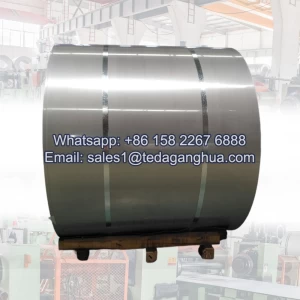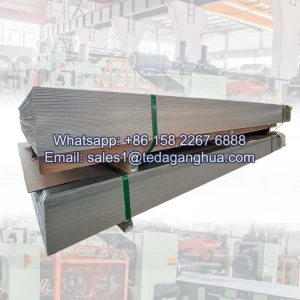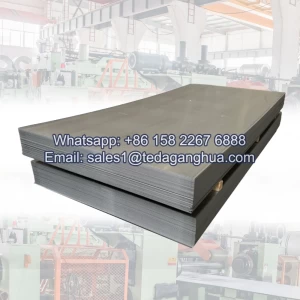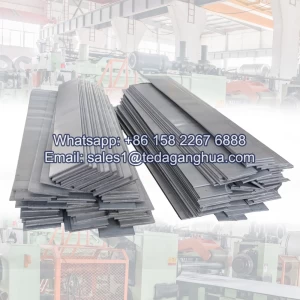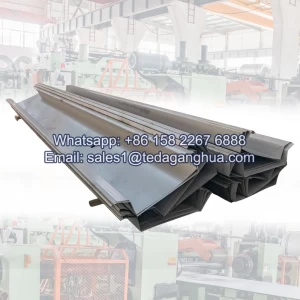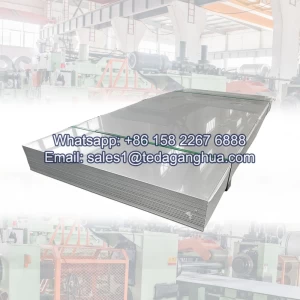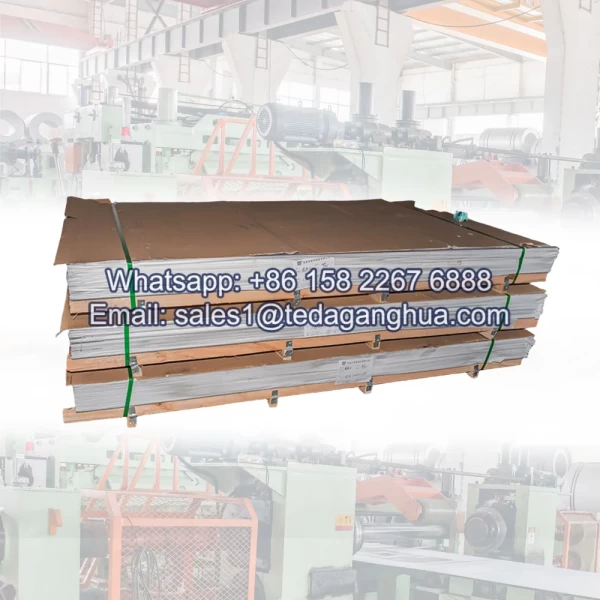
- Description
SS316 plate price per kg is generally higher than 304 stainless steel plate because 316 contains additional alloying elements that significantly improve corrosion resistance, especially in marine, chemical, and chloride-rich environments. Although both are austenitic stainless steels, the raw material cost, processing requirements, and end-use performance of 316 make it a premium grade in many industrial sectors.
What Is SS316 Plate?
SS316 plate is an austenitic stainless steel plate containing chromium, nickel, and molybdenum. The addition of molybdenum is the key reason why 316 stainless steel performs better than 304 in harsh environments. It offers excellent resistance to pitting corrosion, crevice corrosion, and chemical attack.
316 stainless steel plate is commonly used in marine equipment, chemical processing, pharmaceutical tanks, and food-grade industrial applications where corrosion resistance is critical.
Chemical Composition of 316 Stainless Steel Plate
The alloy composition directly affects the price difference between 316 and 304.
| Element | 316 Stainless Steel (%) | 304 Stainless Steel (%) |
|---|---|---|
| Chromium (Cr) | 16.0 – 18.0 | 18.0 – 20.0 |
| Nickel (Ni) | 10.0 – 14.0 | 8.0 – 10.5 |
| Molybdenum (Mo) | 2.0 – 3.0 | — |
| Carbon (C) | ≤ 0.08 | ≤ 0.08 |
| Manganese (Mn) | ≤ 2.0 | ≤ 2.0 |
| Iron (Fe) | Balance | Balance |
The presence of 2–3% molybdenum makes 316 significantly more expensive because molybdenum is a costly alloying metal.
Why SS316 Plate Price Per Kg Is Higher
1. Molybdenum Increases Raw Material Cost
The most important reason 316 stainless steel costs more is the addition of molybdenum. This element improves corrosion resistance in saltwater and acidic conditions but adds substantial alloy cost.
2. Higher Nickel Content
316 stainless steel usually contains more nickel than 304. Nickel is one of the major cost drivers in stainless steel production, and fluctuations in nickel prices directly affect 316 plate price per kg.
3. Better Corrosion Resistance
316 provides superior resistance to:
- Chloride corrosion
- Pitting corrosion
- Chemical processing environments
- Marine atmosphere
- Coastal structures
This enhanced performance makes 316 suitable for demanding industries where material failure is costly.
4. More Specialized Applications
Because 316 is used in high-end industrial sectors such as pharmaceuticals, marine engineering, and petrochemicals, it is often produced to stricter specifications and surface quality standards, increasing production costs.
Mechanical Properties Comparison
| Property | 316 Plate | 304 Plate |
|---|---|---|
| Tensile Strength | ≥ 515 MPa | ≥ 515 MPa |
| Yield Strength | ≥ 205 MPa | ≥ 205 MPa |
| Elongation | ≥ 40% | ≥ 40% |
| Density | 7.98 g/cm³ | 7.93 g/cm³ |
| Corrosion Resistance | Excellent | Good |
Although the mechanical strength is similar, the corrosion resistance of 316 is much better in aggressive environments.
Common Applications of 316 Stainless Steel Plate
Due to its premium alloy composition, 316 plate is widely used in:
- Marine engineering equipment
- Chemical storage tanks
- Heat exchangers
- Pharmaceutical machinery
- Food processing equipment
- Pressure vessels
- Offshore platforms
- Medical devices
- Coastal building structures
- Desalination plants
These applications require materials that can resist corrosion over long service periods.
316 vs 304 Stainless Steel Plate
| Feature | 316 Stainless Steel Plate | 304 Stainless Steel Plate |
|---|---|---|
| Molybdenum | Yes | No |
| Nickel Content | Higher | Standard |
| Corrosion Resistance | Superior | Standard |
| Marine Use | Excellent | Limited |
| Price Per Kg | Higher | Lower |
| Typical Use | Chemical / Marine | General industrial |
Typical Plate Specifications
Common sizes for 316 stainless steel plate include:
| Thickness | Width | Length |
|---|---|---|
| 3 mm – 100 mm | 1000 mm – 2000 mm | 2000 mm – 6000 mm |
Standard finishes include 2B, No.1, BA, and polished surfaces for industrial and decorative applications.