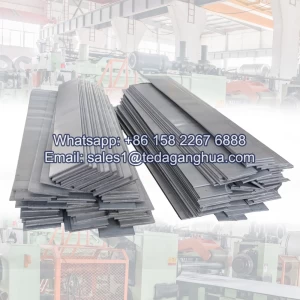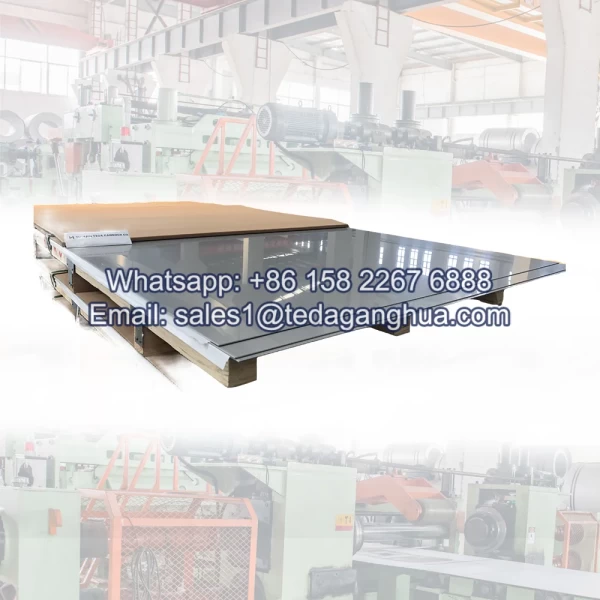
Brushed Stainless Steel Sheet Metal
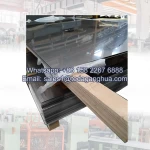
Brushed stainless steel sheet metal is an important material in modern architecture, manufacturing, and decorative applications. Its distinctive linear texture, corrosion resistance, and durable surface make it suitable for a wide range of environments. Available in several brushing finishes and multiple stainless steel grades, brushed stainless steel sheets combine both aesthetic value and practical performance for industrial and commercial use.
- Description
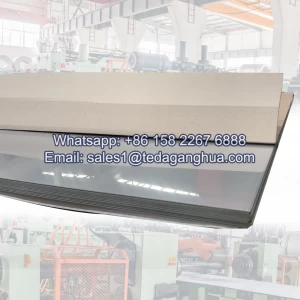
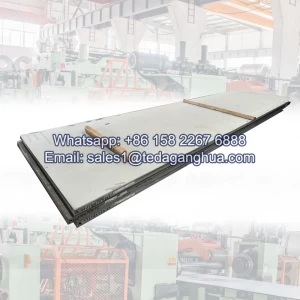
Brushed stainless steel sheet metal is a widely used decorative and functional stainless steel material created by mechanically polishing the metal surface to produce a uniform linear grain texture. The brushing process forms fine parallel lines that create a matte metallic appearance while reducing reflectivity. This finish improves the visual appeal of stainless steel and helps hide fingerprints, smudges, and minor scratches.
Because of its durability, corrosion resistance, and modern aesthetic, brushed stainless steel sheets are commonly used in architectural decoration, commercial equipment, kitchen appliances, and industrial manufacturing.
What Is Brushed Stainless Steel Sheet Metal
Brushed stainless steel is produced through mechanical surface finishing processes that remove a thin layer of the metal while forming directional lines across the surface. Unlike mirror-polished stainless steel, brushed finishes have a satin texture that diffuses light and reduces glare.
The brushed pattern is typically produced using abrasive belts or polishing pads. The direction and grit size of the abrasive determine the final appearance of the surface.
Brushed stainless steel sheets are usually manufactured from common stainless steel grades such as:
-
201 stainless steel
-
304 stainless steel
-
316 stainless steel
-
430 stainless steel
These materials provide strong corrosion resistance, good formability, and excellent mechanical strength for various fabrication processes.
Types of Brushed Stainless Steel Finishes
Different brushing techniques create different surface textures. The following table shows several common brushed stainless steel finishes.
| Finish Type | Description | Surface Characteristics |
|---|---|---|
| Hairline (HL) Finish | Fine continuous linear grain produced by long-direction polishing | Smooth decorative appearance with consistent lines |
| No.4 Satin Finish | Uniform brushed texture created with medium abrasive grit | Most common decorative stainless steel finish |
| Straight Brushed | Parallel linear grain created by directional polishing | Modern and industrial appearance |
| Cross Brushed | Surface brushed in multiple directions | Strong texture with decorative pattern |
| Vibration Finish | Random circular patterns created by vibration polishing | Artistic and highly decorative surface |
The grain size of brushed stainless steel surfaces is usually defined by abrasive grit numbers such as #180, #240, #320, and #400, which determine the fineness of the surface texture.
Typical Specifications of Brushed Stainless Steel Sheets
Brushed stainless steel sheets are available in a variety of thicknesses and sizes depending on industrial standards and project requirements.
| Parameter | Typical Range |
|---|---|
| Stainless Steel Grades | 201 / 304 / 316 / 430 |
| Thickness | 0.3 mm – 3.0 mm |
| Width | 1000 mm – 1500 mm |
| Standard Sheet Sizes | 1000 × 2000 mm |
| 1219 × 2438 mm (4 × 8 ft) | |
| 1219 × 3048 mm (4 × 10 ft) | |
| Surface Grain | #180 / #240 / #320 / #400 |
These sheets can also be processed through cutting, bending, welding, stamping, and other sheet metal fabrication methods.
Surface Processing Methods
Several manufacturing processes are used to produce brushed stainless steel sheet metal surfaces.
Abrasive Belt Grinding
Abrasive belts are used to grind the stainless steel surface in a single direction to create a consistent linear grain pattern.
Mechanical Brushing
Rotating brushes made of abrasive materials polish the surface and form uniform textured lines.
Scotch-Brite Finishing
Non-woven abrasive pads are used to create a satin-like surface finish with smooth grain consistency.
Combined Decorative Processing
Brushed stainless steel surfaces can also be combined with other finishing techniques, including:
-
Color coating
-
Chemical etching
-
Embossing patterns
-
Anti-fingerprint coatings
-
Sandblasting
These additional treatments enhance both the decorative appearance and functional performance of the stainless steel sheet.
Advantages of Brushed Stainless Steel Sheet Metal
Brushed stainless steel sheets provide multiple advantages for architectural and industrial use:
-
Modern satin metallic appearance
-
Reduced surface glare compared with mirror finishes
-
Better resistance to visible scratches and fingerprints
-
Strong corrosion resistance from stainless steel alloys
-
Easy fabrication including cutting, bending, and welding
-
Durable surface suitable for high-traffic environments
Because of these properties, brushed stainless steel is widely used in both decorative and structural applications.
Common Applications of Brushed Stainless Steel
Brushed stainless steel sheet metal is widely used across many industries due to its durability and decorative surface finish.
Architectural and Building Decoration
-
Elevator panels and doors
-
Interior wall cladding
-
Decorative ceiling panels
-
Building facades
Commercial and Public Facilities
-
Hotel and shopping mall decoration
-
Reception counters
-
Public facility panels
-
Advertising displays
Kitchen and Appliance Manufacturing
-
Kitchen backsplashes
-
Cabinet panels
-
Refrigerators and appliances
-
Food processing equipment
Industrial Equipment
-
Machine covers and protective panels
-
Control cabinets
-
Equipment housings
-
Structural metal components