A240 A240m
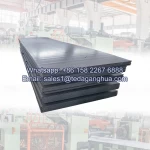
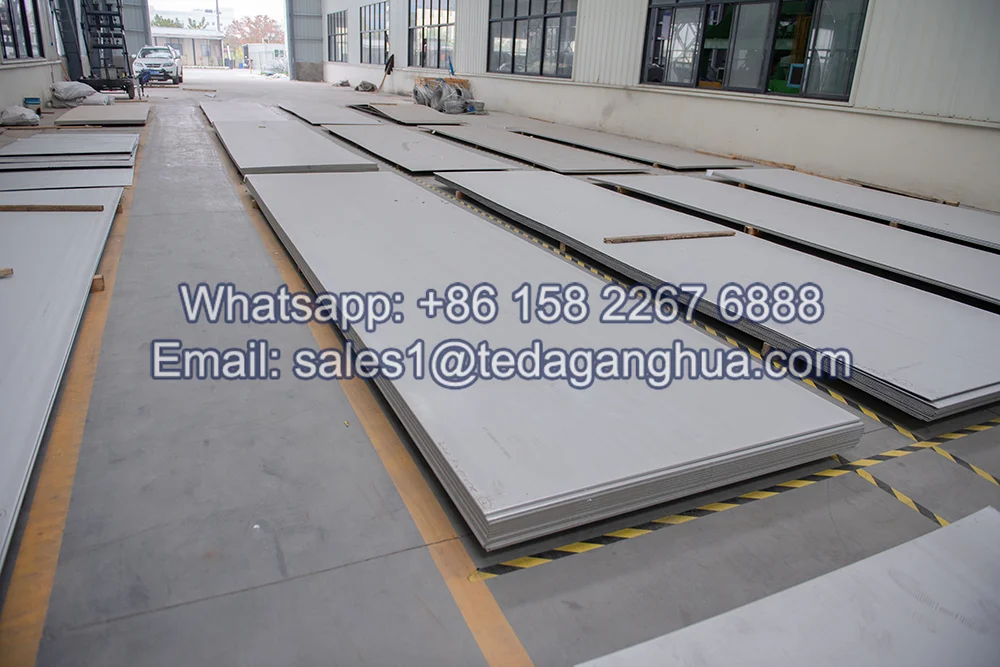
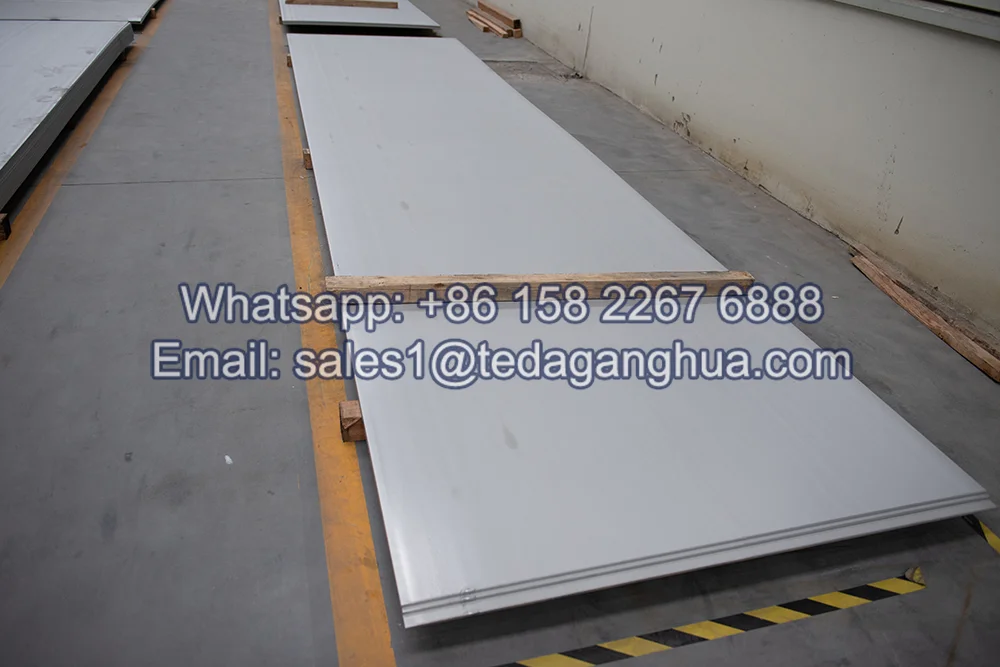
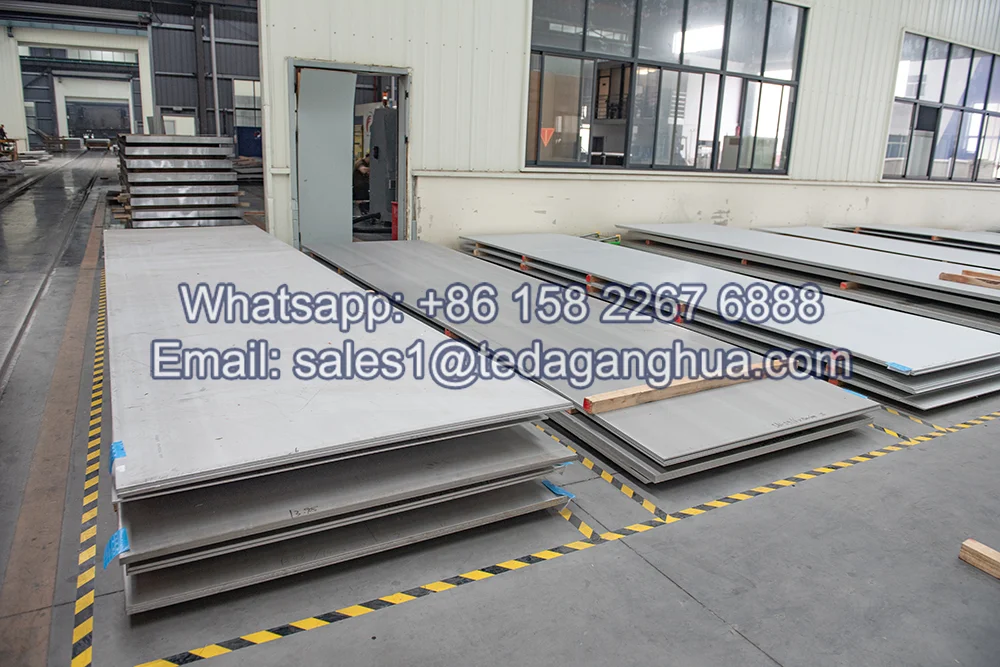
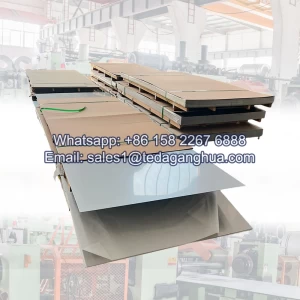
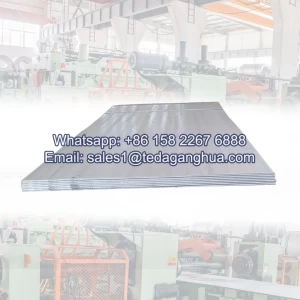
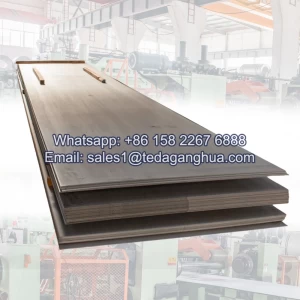
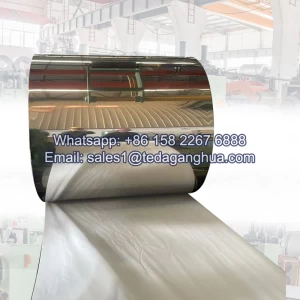
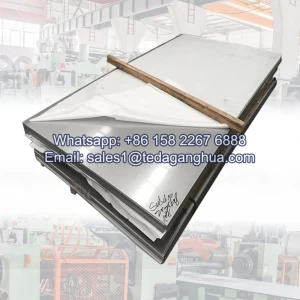
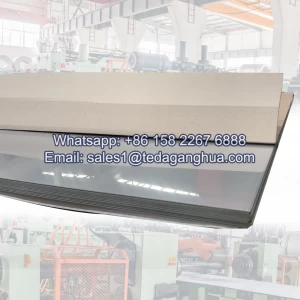
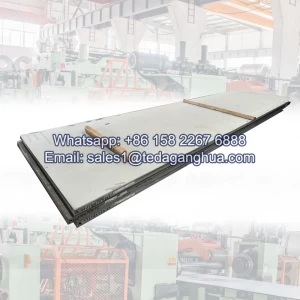
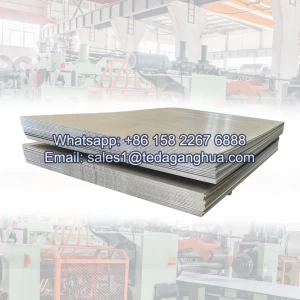
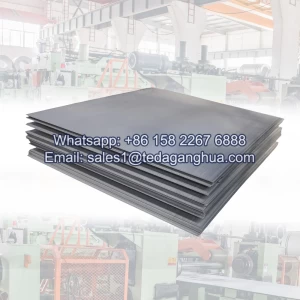
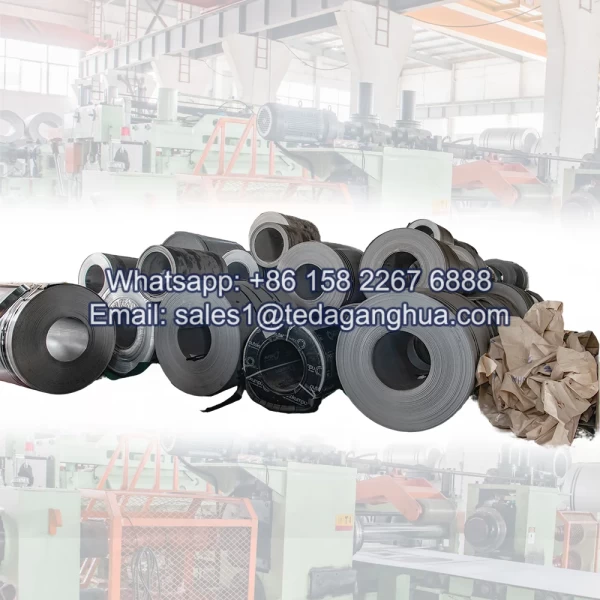
ASTM A240 / A240M is the core international standard for stainless steel plate and sheet products. It covers a wide range of stainless steel grades and ensures strict control of chemical composition, mechanical properties, and manufacturing quality. Because of its versatility and reliability, A240 stainless steel plates are widely used in pressure vessels, chemical equipment, marine engineering, and industrial fabrication systems.
- Description
ASTM A240 / A240M is one of the most important international standards for stainless steel plate, sheet, and strip used in pressure vessels and general industrial applications. It defines the chemical composition, mechanical properties, heat treatment conditions, and quality requirements for stainless steel flat products.
This standard is widely used in chemical processing, construction, energy, marine, and food industries.
What is ASTM A240 / A240M?
- ASTM A240: Standard specification for chromium and chromium-nickel stainless steel plate, sheet, and strip
- A240M: Metric version of ASTM A240
It covers a wide range of stainless steel grades including austenitic, ferritic, martensitic, and duplex stainless steels.
Key Characteristics of A240 Stainless Steel Plate
1. Wide Range of Stainless Steel Grades
ASTM A240 covers many commonly used stainless steel grades such as:
- 201, 202
- 301, 304, 304L
- 316, 316L
- 321, 347
- 309, 310S
- 410, 420, 430
- 2205, 2507 duplex stainless steel
👉 It is a universal material standard for stainless steel flat products
2. Suitable for Pressure and Structural Applications
A240 stainless steel plates are widely used in:
- Pressure vessels
- Heat exchangers
- Storage tanks
- Industrial piping systems
- Structural fabrication
The material is designed to meet strict mechanical strength and safety requirements.
3. Controlled Chemical Composition
Each grade under A240 has clearly defined limits for:
- Chromium (Cr)
- Nickel (Ni)
- Molybdenum (Mo)
- Carbon (C)
- Nitrogen (N)
- Manganese (Mn)
- Silicon (Si)
This ensures stable corrosion resistance and mechanical performance.
4. Excellent Corrosion Resistance (Depending on Grade)
Because A240 includes multiple stainless steel families, corrosion resistance varies:
- Austenitic grades (304, 316): excellent general corrosion resistance
- Duplex grades (2205, 2507): superior chloride resistance
- Ferritic grades (430): moderate atmospheric resistance
- Martensitic grades (410, 420): wear resistance with moderate corrosion resistance
5. Good Mechanical Performance
A240 stainless steel plates generally offer:
- High tensile strength (grade dependent)
- Good ductility
- Excellent toughness (austenitic grades)
- High hardness (martensitic grades)
- Good fatigue resistance
6. Excellent Fabrication Performance
Most A240 stainless steels are suitable for:
- Cutting
- Welding
- Bending
- Rolling
- Machining
- Surface finishing (2B, BA, No.1, polished)
Austenitic grades are especially known for excellent formability and weldability.
Common Applications of ASTM A240 Stainless Steel Plate
A240 stainless steel plates are used across many industries:
- Chemical processing equipment
- Food processing machinery
- Pharmaceutical equipment
- Heat exchangers
- Pressure vessels
- Marine engineering
- Construction and architectural structures
- Oil and gas systems
- Power generation equipment
- Industrial storage tanks
A240 Stainless Steel vs Other Standards
| Standard | Scope | Main Use |
|---|---|---|
| ASTM A240 | Stainless steel plate/sheet/strip | General industrial & pressure applications |
| ASTM A276 | Stainless steel bars | Shafts, rods, bars |
| ASTM A312 | Stainless steel pipes | Pipeline systems |
| ASTM A480 | General requirements for flat products | Thickness, finish, tolerances |