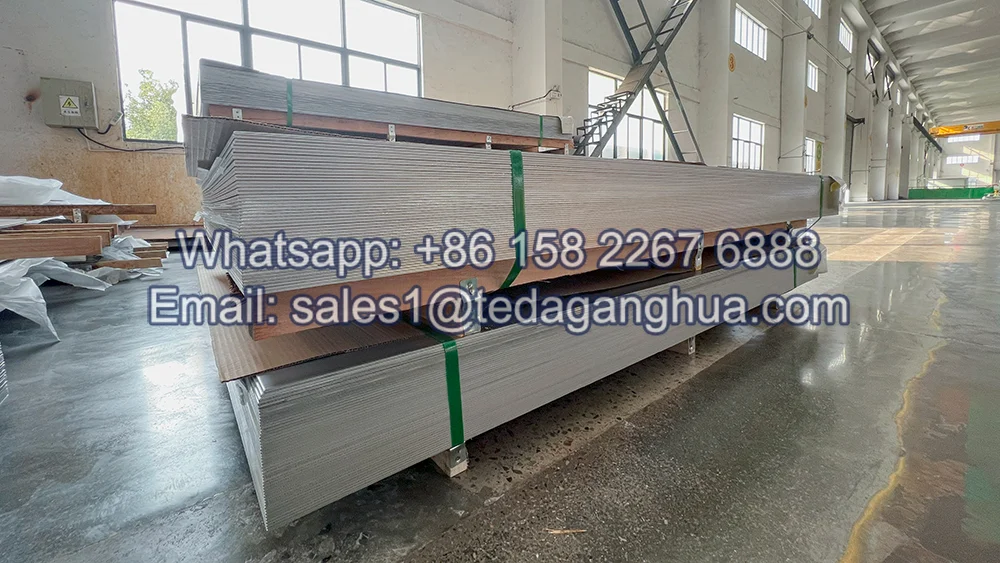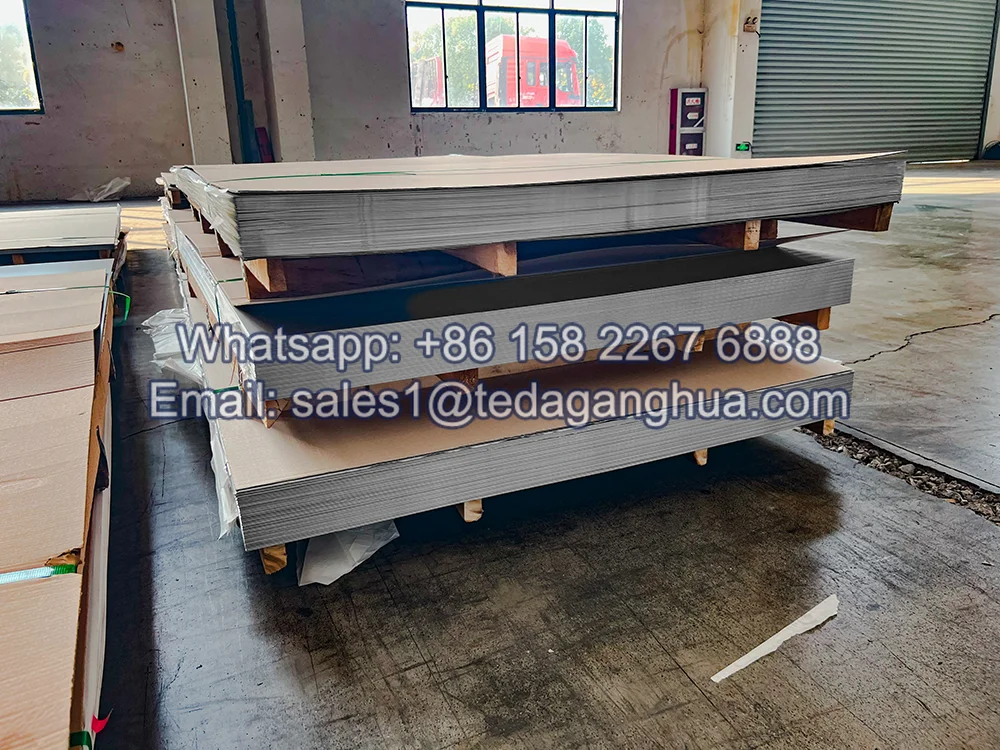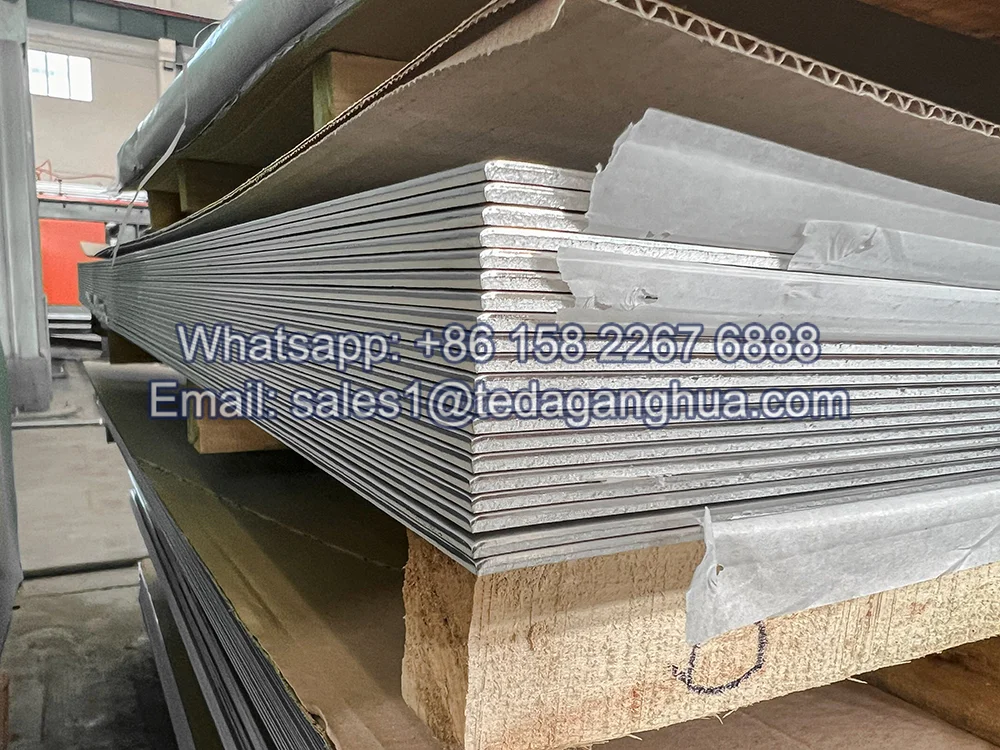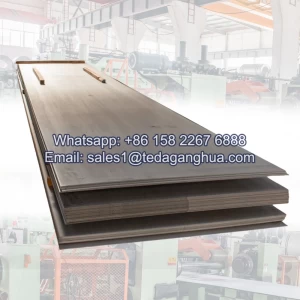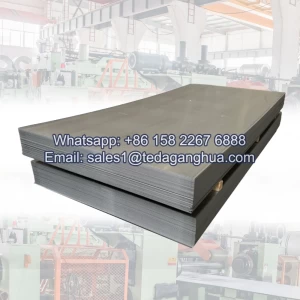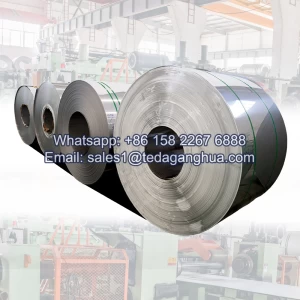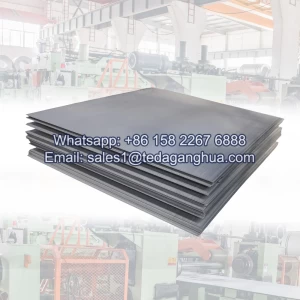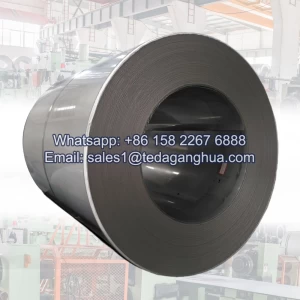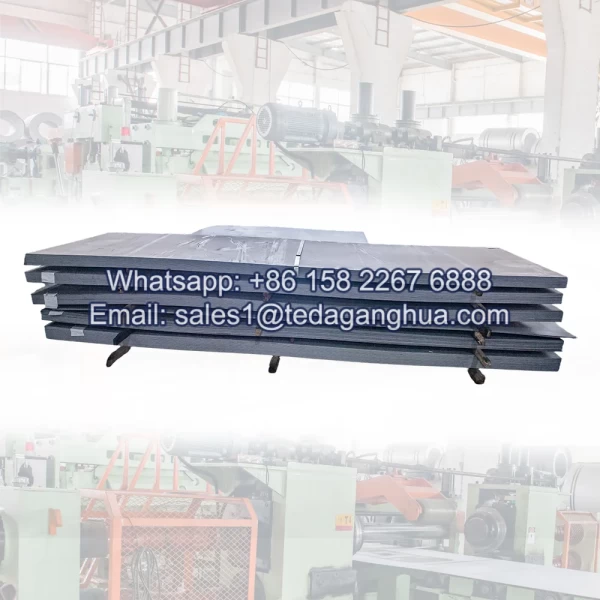
420 Stainless Steel Sheet For Sale
420 stainless steel sheet is a high-carbon martensitic stainless steel designed for applications requiring hardness, strength, and wear resistance. Its ability to be heat treated makes it ideal for cutting tools, industrial components, and precision mechanical parts.
- Description
420 stainless steel sheet is a martensitic stainless steel known for its high hardness, good wear resistance, and ability to be heat treated. It is often referred to as a “cutlery-grade” stainless steel due to its excellent edge retention after hardening.
It is widely used in applications where strength and hardness are more important than corrosion resistance.
Chemical Composition of 420 Stainless Steel
Typical Composition Range
| Element | Content (%) |
|---|---|
| Chromium (Cr) | 12.0 – 14.0 |
| Carbon (C) | 0.15 – 0.40 |
| Manganese (Mn) | ≤ 1.0 |
| Silicon (Si) | ≤ 1.0 |
| Phosphorus (P) | ≤ 0.04 |
| Sulfur (S) | ≤ 0.03 |
Key Composition Features
- Higher carbon content than 410 improves hardness and strength
- Chromium content provides basic corrosion resistance
- No significant nickel content, keeping cost relatively moderate
Mechanical Properties of 420 Stainless Steel Sheet
| Condition | Hardness | Tensile Strength |
|---|---|---|
| Annealed | ~180–220 HB | ~600 MPa |
| Hardened & Tempered | Up to 50–55 HRC | 700–900 MPa |
Performance Characteristics
- Excellent hardness after heat treatment
- Good wear and abrasion resistance
- Moderate strength and toughness
- Lower ductility compared to austenitic stainless steels
Heat Treatment Capability
420 stainless steel can be hardened by heat treatment, which is one of its key advantages.
Typical Heat Treatment Process
- Hardening: 980–1050°C → quenching
- Tempering: 150–400°C depending on required hardness
Result:
- Increased hardness and strength
- Improved wear resistance
Corrosion Resistance
420 stainless steel offers moderate corrosion resistance, but it is lower than grades like 304 or 316.
Performance Overview
- Suitable for dry, indoor, or mildly corrosive environments
- Limited resistance to:
- Chlorides
- Acids
- Marine environments
Note:
Polished surfaces improve corrosion resistance performance.
Fabrication and Processing
Machining
- Good machinability in annealed condition
- Harder to machine after heat treatment
Welding
- Limited weldability
- Preheating and post-weld heat treatment recommended
Forming
- Limited formability compared to austenitic grades
- Best processed before hardening
Common Applications of 420 Stainless Steel Sheet
Cutting and Blade Applications
- Knives and cutlery
- Surgical instruments
- Scissors and blades
Industrial Components
- Valves and pump parts
- Shafts and gears
- Wear-resistant parts
Tooling and Mechanical Use
- Molds and dies (light duty)
- Measuring instruments
- Mechanical components requiring hardness
420 vs Other Stainless Steel Grades
| Property | 420 | 410 | 304 |
|---|---|---|---|
| Carbon Content | Higher | Lower | Very low |
| Hardness | Very high | Moderate | Low |
| Corrosion Resistance | Moderate | Moderate | Excellent |
| Heat Treatable | Yes | Yes | No |
| Main Use | Blades, wear parts | General purpose | Corrosion resistance |
Advantages of 420 Stainless Steel Sheet
- High hardness after heat treatment
- Excellent wear resistance
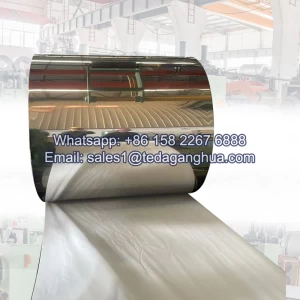
- Good polishability (can achieve mirror finish)
- Cost-effective for tooling and blade applications
Limitations
- Lower corrosion resistance than austenitic stainless steels
- Reduced ductility and weldability
- Not suitable for highly corrosive environments