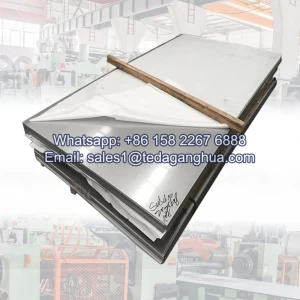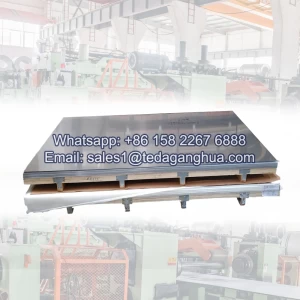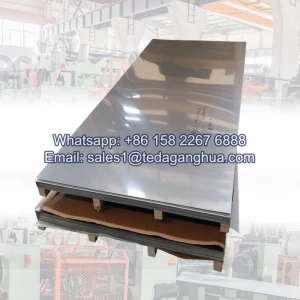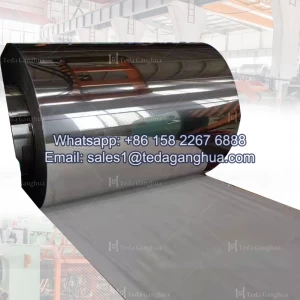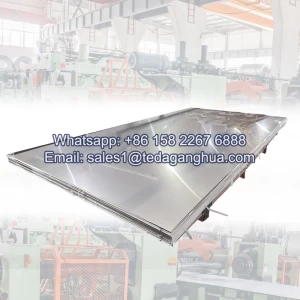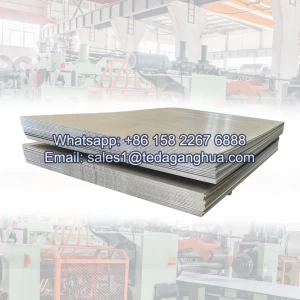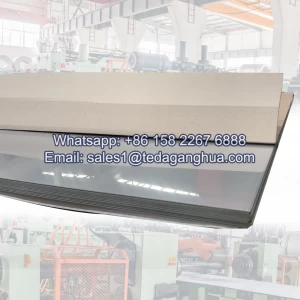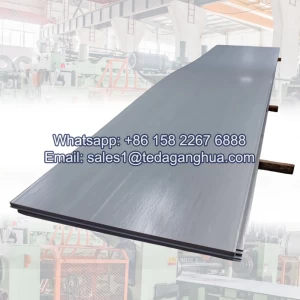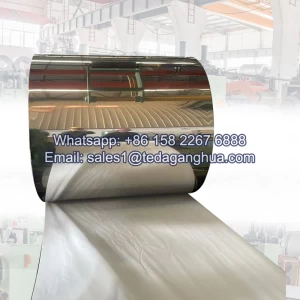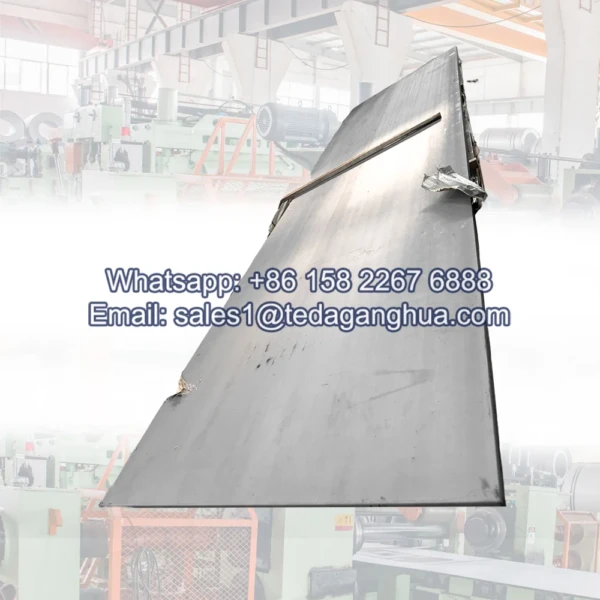
1 8 Stainless Steel Sheet
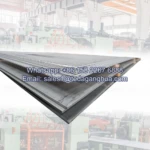
1/8 Stainless Steel Sheet can be processed using multiple cutting methods, including laser cutting, plasma cutting, waterjet cutting, shearing, and CNC punching. Each method has different advantages in terms of precision, speed, and cost. In modern manufacturing, laser cutting is the most commonly used method due to its high accuracy and ability to produce complex shapes with excellent edge quality.
- Description
1/8 Stainless Steel Sheet (0.125 inch / 3.175 mm) is a commonly used medium-thin stainless steel material widely applied in machinery manufacturing, construction parts, kitchen equipment, and industrial fabrication. One of the most important processing steps for this material is cutting, and stainless steel sheets can be processed using several different cutting methods depending on thickness, precision requirements, and production scale.
Common Cutting Processes for Stainless Steel Sheets
Stainless steel sheets are mainly cut using the following industrial methods:
1. Laser Cutting
Laser cutting is one of the most widely used modern cutting methods.
Features:
- High precision and clean edges
- Suitable for complex shapes and fine patterns
- Minimal material deformation
- High automation and efficiency
Suitable for:
- 1/8 stainless steel sheet
- Thin to medium thickness plates
- Precision components and decorative parts
2. Plasma Cutting
Plasma cutting uses high-temperature ionized gas to melt and cut metal.
Features:
- Fast cutting speed
- Suitable for medium thickness materials
- Slightly rougher edge compared to laser cutting
- Cost-effective for large-scale production
Suitable for:
- Structural parts
- Industrial components
- Medium thickness stainless steel plates
3. Waterjet Cutting
Waterjet cutting uses ultra-high-pressure water mixed with abrasive materials.
Features:
- No heat-affected zone (cold cutting)
- No material deformation
- Suitable for heat-sensitive or high-precision applications
- Can cut very thick stainless steel
Suitable for:
- High-precision industrial parts
- Aerospace and medical components
- Thick stainless steel plates
4. Shearing (Mechanical Cutting)
Shearing uses mechanical force to cut straight lines.
Features:
- Very fast for straight cuts
- Low cost and high efficiency
- Limited to simple shapes
- Suitable for mass production
Suitable for:
- Standard sheet cutting
- Rectangular or square plates
- Pre-processing material sizing
5. CNC Punching
CNC punching uses dies to punch holes and shapes into stainless steel sheets.
Features:
- High-speed production
- Suitable for repetitive hole patterns
- Efficient for ventilation panels and enclosures
Suitable for:
- Electrical cabinets
- Ventilation covers
- Industrial enclosures
Cutting Method Comparison
| Cutting Method | Precision | Speed | Cost | Application Type |
|---|---|---|---|---|
| Laser Cutting | Very High | Medium | Medium–High | Precision parts |
| Plasma Cutting | Medium | High | Low–Medium | Structural parts |
| Waterjet Cutting | Very High | Low | High | Special precision parts |
| Shearing | Low–Medium | Very High | Low | Straight cuts |
| CNC Punching | Medium | High | Medium | Mass production |
Why Cutting Method Matters for 1/8 Stainless Steel Sheet
The choice of cutting process affects:
- Edge quality and finishing
- Production efficiency
- Material deformation risk
- Cost of fabrication
- Final application performance
For 1/8 stainless steel sheet, laser cutting is often preferred because it provides a balance of precision and efficiency.