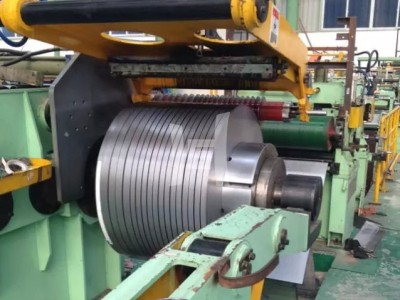
How to Prevent Heat Deformation in Thin 304 Stainless Steel During Laser Cutting
Thin 304 stainless steel sheets are widely used in kitchen equipment, decorative panels, precision fabrication, and industrial enclosures. However, heat deformation remains one of the biggest challenges during laser cutting. Because 304 stainless steel has relatively low thermal conductivity, heat tends to accumulate around the cutting zone, which can lead to warping, edge bending, and dimensional deviation.
Why Heat Deformation Happens During Laser Cutting
During laser cutting, a concentrated heat source melts the stainless steel rapidly. Thin sheets react faster to temperature changes than thick plates. If heat input is not properly controlled, thermal stress forms quickly and causes deformation.
Main problems include:
- Sheet warping
- Edge distortion
- Thermal expansion
- Poor cutting precision
- Difficult secondary processing
Key Factors Affecting Heat Deformation
| Factor | Impact |
|---|---|
| Laser Power | Too high causes excessive heat buildup |
| Cutting Speed | Too slow increases thermal stress |
| Sheet Thickness | Thinner sheets deform more easily |
| Assist Gas | Affects heat removal and edge quality |
| Clamping Stability | Poor fixation increases movement |
Effective Methods to Prevent Heat Deformation
1. Optimize Laser Power
Use only the required power level to achieve clean cutting. Excess power generates unnecessary thermal stress.
2. Increase Cutting Speed
Higher cutting speed reduces heat exposure time and helps minimize deformation.
3. Use Nitrogen Assist Gas
Nitrogen improves edge finish and reduces oxidation while helping remove molten material quickly.
4. Improve Sheet Clamping
Strong and even clamping keeps the sheet flat and reduces vibration during cutting.
5. Optimize Cutting Path
A balanced cutting sequence prevents heat concentration in one area.
6. Use Micro-Joints
Micro-joints help small parts remain stable and reduce movement-related deformation.
Recommended Cutting Parameters
| Thickness | Power | Gas |
|---|---|---|
| 0.5 mm | 500–800W | Nitrogen |
| 1.0 mm | 800–1200W | Nitrogen |
| 2.0 mm | 1200–2000W | Nitrogen |
Teda Ganghua Precision Stainless Steel Processing
Teda Ganghua supplies high-quality 304 stainless steel plates for industrial laser cutting applications. With advanced processing equipment and strict quality inspection, we help customers reduce cutting defects and improve manufacturing efficiency.
- Stable stainless steel inventory
- Precision laser cutting support
- Custom fabrication solutions
- Fast global delivery
Learn more about our
stainless steel plate
solutions.
FAQ
1. Why does thin 304 stainless steel deform easily during laser cutting?
Because thin sheets heat up quickly and 304 stainless steel retains heat around the cutting area.
2. Which assist gas is best for cutting 304 stainless steel?
Nitrogen is commonly preferred because it improves cut quality and reduces oxidation.
3. Can higher laser power improve cutting quality?
Not always. Excessive power can increase heat deformation and reduce dimensional accuracy.
4. How can cutting path affect deformation?
Poor cutting sequence causes heat concentration, while optimized paths distribute heat more evenly.
5. Does thicker stainless steel deform less?
Generally yes. Thicker sheets have better structural stability and resist thermal distortion more effectively.