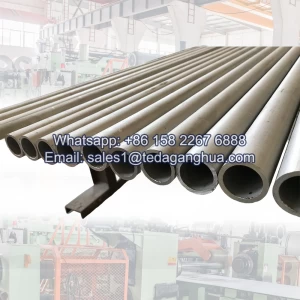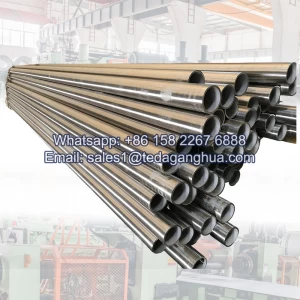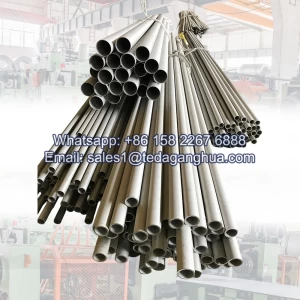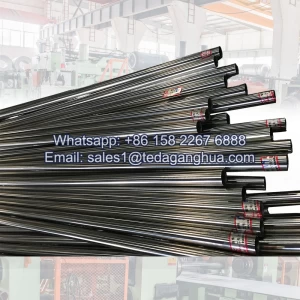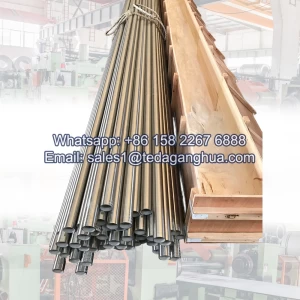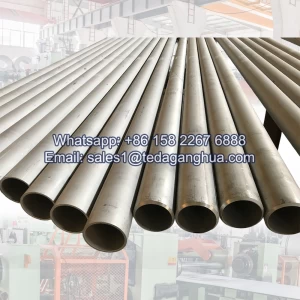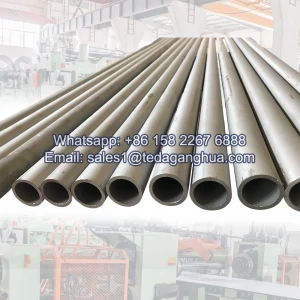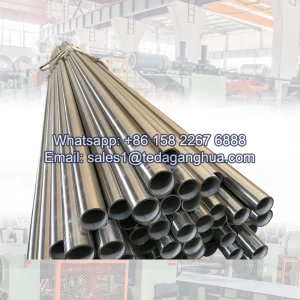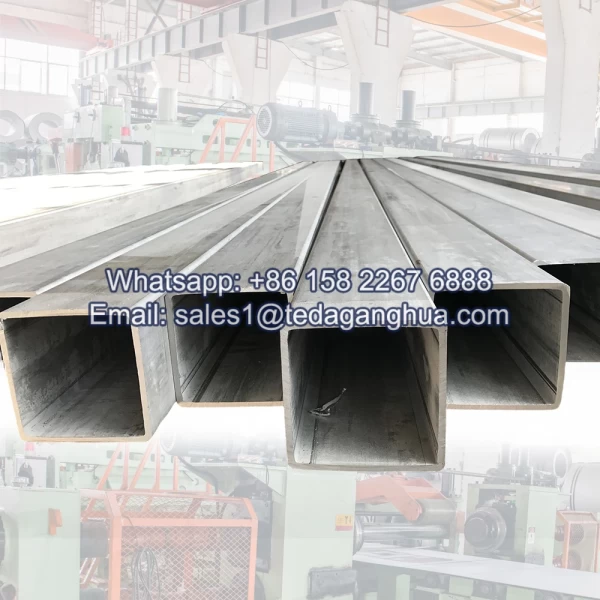
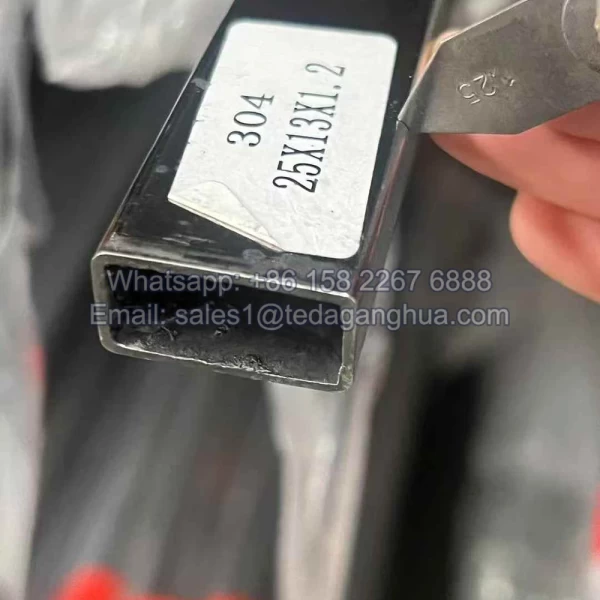





Ống thép không gỉ hình chữ nhật
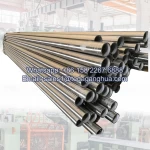
Stainless Steel Rectangular Tubing is manufactured through a carefully controlled process of forming, hàn, xử lý nhiệt, and finishing.
This ensures that it meets the strict requirements of structural integrity, độ chính xác chiều, và khả năng chống ăn mòn cho công nghiệp, kiến trúc, và ứng dụng trang trí.
- Sự miêu tả
Stainless Steel Rectangular Tubing is a hollow structural section with a rectangular cross-section, được sử dụng rộng rãi trong sự thi công, industrial machinery, ô tô, nội thất, and architectural applications.
Its manufacturing process is designed to ensure cường độ cao, độ chính xác chiều, chống ăn mòn, và chất lượng bề mặt.
Unlike round tubes, rectangular tubing requires precise forming and finishing techniques to maintain flat walls and sharp corners.
Manufacturing Process of Stainless Steel Rectangular Tubing
1. Material Selection
-
High-quality stainless steel sheets or coils are selected, tiêu biểu điểm 304, 304L, 316, or 316L.
-
Chemical composition and thickness are checked for uniformity and corrosion resistance.
2. cắt
-
Stainless steel sheets are cut to the required width and length for forming into rectangular tubes.
-
Precision cutting ensures minimal material waste and accurate dimensions.
3. hình thành
Rectangular tubing is formed using one of the following processes:
-
Roll Forming:
-
The flat sheet is passed through successive rollers that gradually bend it into a rectangular shape.
-
The edges are then prepared for welding.
-
-
Mandrel or Press Forming:
-
For seamless-style rectangular tubing, the tube is shaped using a mandrel or press die to achieve precise corners and wall thickness.
-
4. hàn (for ERW Tubes)
-
Electric Resistance Welding (ERW) is commonly used for rectangular tubes.
-
The edges of the formed sheet are welded along the seam using high-frequency current, producing a strong, uniform joint.
-
Post-weld, the tube may undergo grinding or polishing to remove weld marks and restore smooth surface quality.
5. Xử lý nhiệt
-
Tubing may be solution-annealed to relieve internal stress and enhance corrosion resistance.
-
Annealing also improves ductility and dimensional stability.
6. Sizing and Straightening
-
Tubes are passed through sizing rolls or stretchers to achieve precise chiều rộng, height, độ dày của tường, and squareness.
-
Straightening ensures the tube is flat and free of bends or twists.
7. Hoàn thiện bề mặt
-
Kết thúc phổ biến bao gồm mill finish, chải (sa tanh), hoặc đánh bóng (gương).
-
Pickling and passivation may be applied to remove scale and improve corrosion resistance.
8. Cutting and Inspection
-
Tubes are cut to standard or custom lengths.
-
Quality checks include độ dày của tường, dimensional tolerances, corner squareness, straightness, và hoàn thiện bề mặt.
Advantages of Stainless Steel Rectangular Tubing
-
Uniform wall thickness and consistent mechanical properties
-
Mạnh, flat surfaces for structural or architectural use
-
Khả năng chống ăn mòn cao
-
Excellent weldability and formability
-
Available in various dimensions and surface finishes