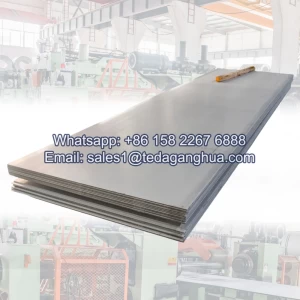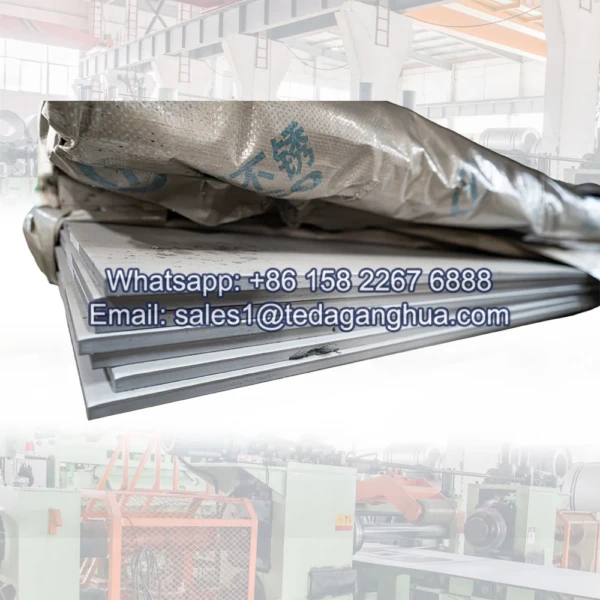
5Tấm thép không gỉ mm
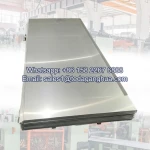
Mặc dù 5tấm thép không gỉ mm is relatively thick, it can still be processed using a combination of hot rolling and cold finishing techniques. Cold rolling at this thickness is mainly used for improving surface quality and dimensional precision rather than primary thickness reduction. Processing methods such as cutting, uốn cong, and welding require stronger equipment and adjusted parameters, making 5mm stainless steel suitable for medium-to-heavy industrial applications requiring both strength and durability.
- Sự miêu tả
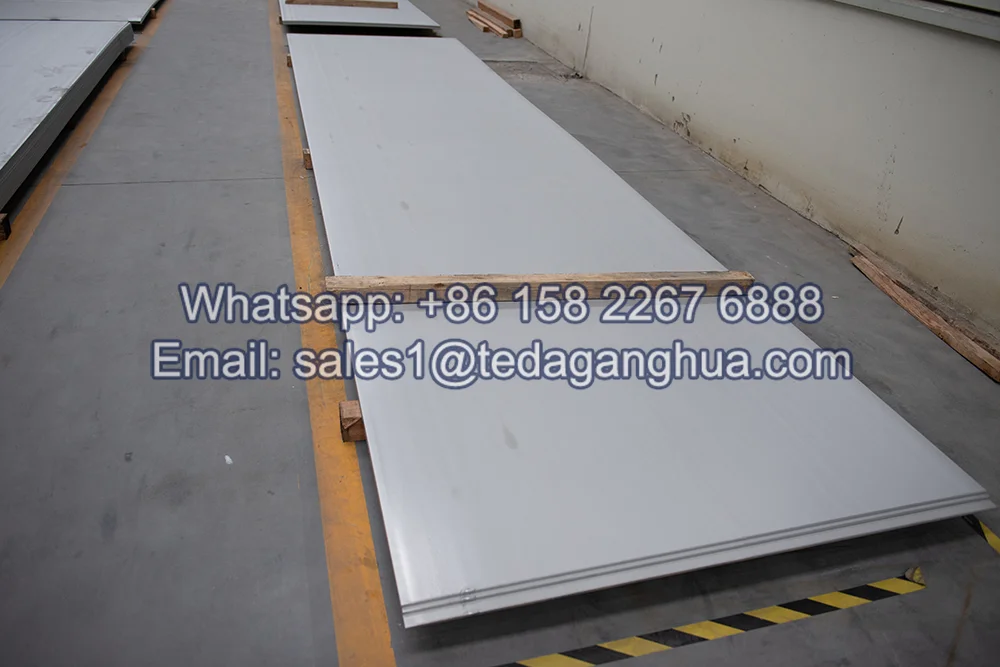
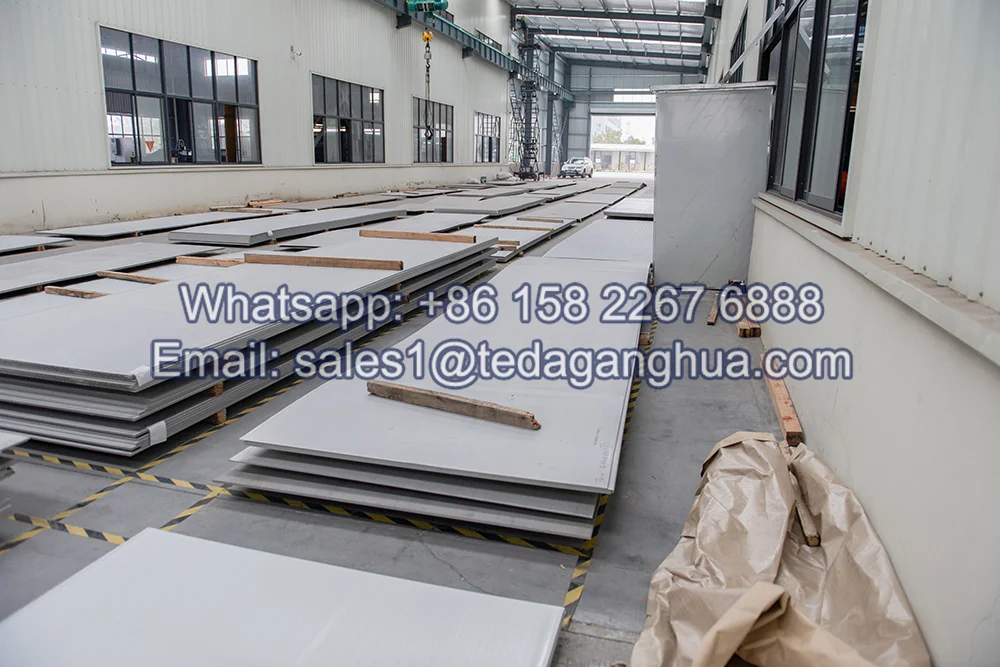
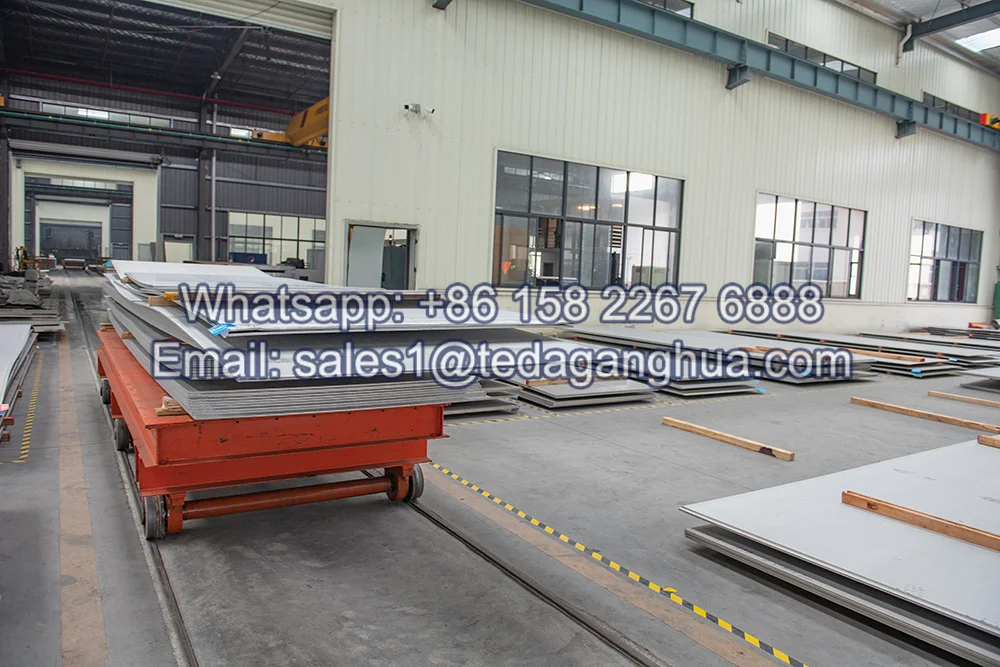
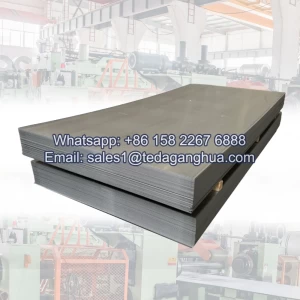
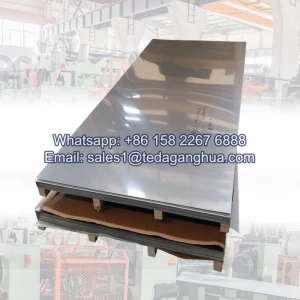
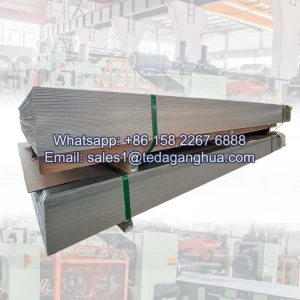
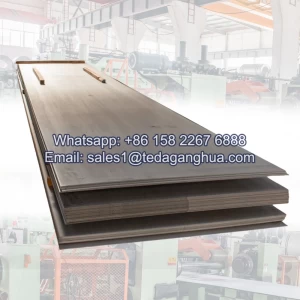
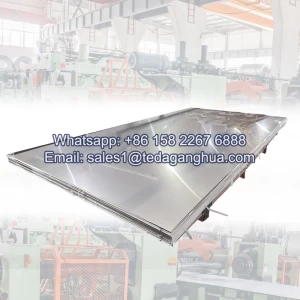
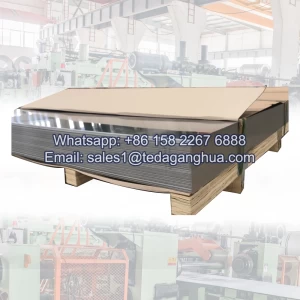
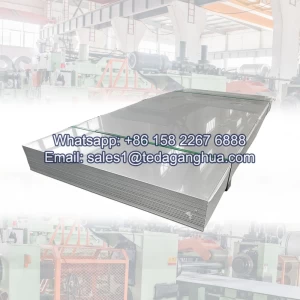
Tấm thép không gỉ mm is considered a medium-thickness stainless steel material widely used in machinery structures, thiết bị công nghiệp, support frames, and engineering fabrication. Although 5mm thickness is relatively thick for cold-rolled stainless steel, it can still be produced and processed through specialized cold rolling and finishing techniques.
Can Cold Rolled Stainless Steel Be Used for Medium Thickness Plates?
Đúng, but with limitations.
Cold rolling is typically used for thin sheets, but when producing medium-thickness stainless steel (such as 5mm), manufacturers often combine:
- Hot rolling for primary thickness reduction
- Cold rolling for surface finishing and dimensional accuracy
Vì thế, 5mm stainless steel sheets are often hot-rolled base material with cold-finished surface treatment.
Production Process of 5mm Stainless Steel Sheet
1. Cán nóng (Primary Forming)
- Steel slabs are heated above recrystallization temperature
- Thickness is reduced through rolling mills
- Produces basic 5mm plate structure
2. Pickling and Surface Cleaning
- Removes oxide scale formed during hot rolling
- Improves surface quality before further processing
3. Cold Rolling or Cold Finishing (Không bắt buộc)
- Improves surface smoothness
- Enhances dimensional accuracy
- Tăng sức mạnh thông qua việc rèn luyện sức khỏe
4. Annealing Treatment
- Restores ductility after cold working
- Improves internal stress distribution
- Ensures stable mechanical properties
5. San lấp mặt bằng và làm thẳng
- Ensures flatness of medium-thickness sheets
- Removes deformation caused during rolling
Processing Methods for 5mm Stainless Steel Sheet
So với tấm mỏng, 5mm stainless steel requires stronger equipment and adjusted parameters.
1. Quá trình cắt
Cắt Laser
- High power required for 5mm thickness
- Clean edge quality
- Suitable for complex shapes
Cắt plasma
- Faster for structural parts
- Slightly rough edge compared to laser
Cắt tia nước
- Không có vùng ảnh hưởng nhiệt
- Ideal for precision parts and thick sections
Cắt cơ khí
- Guillotine shearing possible but limited for complex shapes
2. Uốn và tạo hình
5mm stainless steel sheet requires:
- High-tonnage press brake machines
- Larger bending radius compared to thin sheets
- Controlled bending speed to avoid cracking
Key Points:
- Thicker material = higher bending force
- Minimum bend radius increases with thickness
- Tool wear is higher than thin sheet processing
3. Welding Process
Common welding methods:
- hàn TIG (độ chính xác cao)
- Hàn MIG (efficient for thicker plates)
Welding Characteristics:
- Requires higher heat input
- Preheating may be needed in some cases
- Strong joint strength after proper welding
4. Xử lý bề mặt
Available surface finishes:
- 2B (cold rolled finish)
- số 1 (hot rolled pickled surface)
- chải hoàn thiện (Số 4, HL)
- Đánh bóng hoặc tráng gương (after mechanical polishing)
Cold Rolled vs Hot Rolled at 5mm Thickness
| Tính năng | cán nguội (or Cold-Finished) | cán nóng |
|---|---|---|
| Surface Quality | Smoother | Rougher |
| Độ chính xác kích thước | Cao hơn | Vừa phải |
| Trị giá | Cao hơn | Thấp hơn |
| Processing Difficulty | Cao hơn | Thấp hơn |
| Ứng dụng | Bộ phận chính xác | Bộ phận kết cấu |
Application of 5mm Stainless Steel Sheet
- Industrial machinery frames
- Structural support components
- Chemical equipment bases
- Heavy-duty enclosures
- Engineering fabrication parts
- Transportation and energy systems