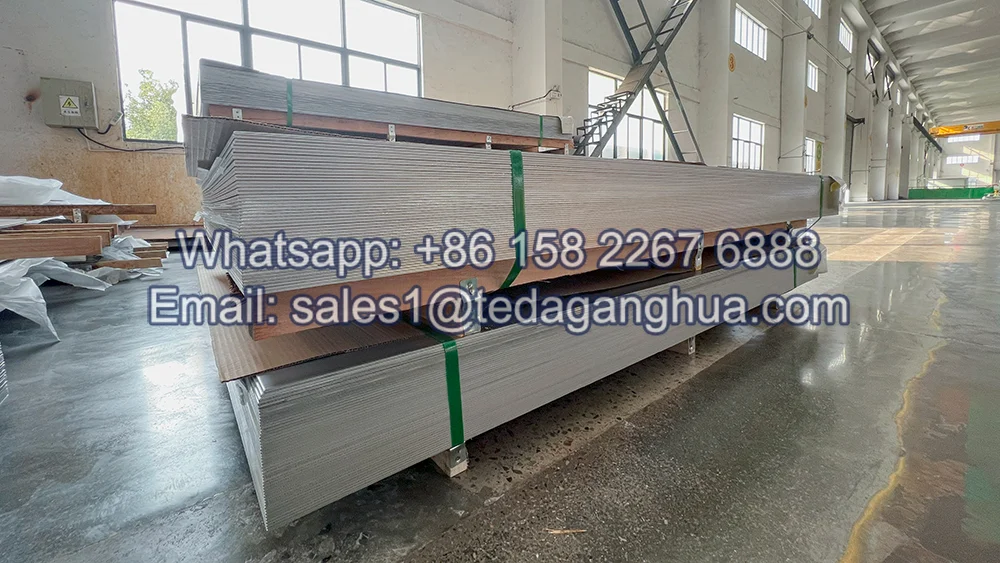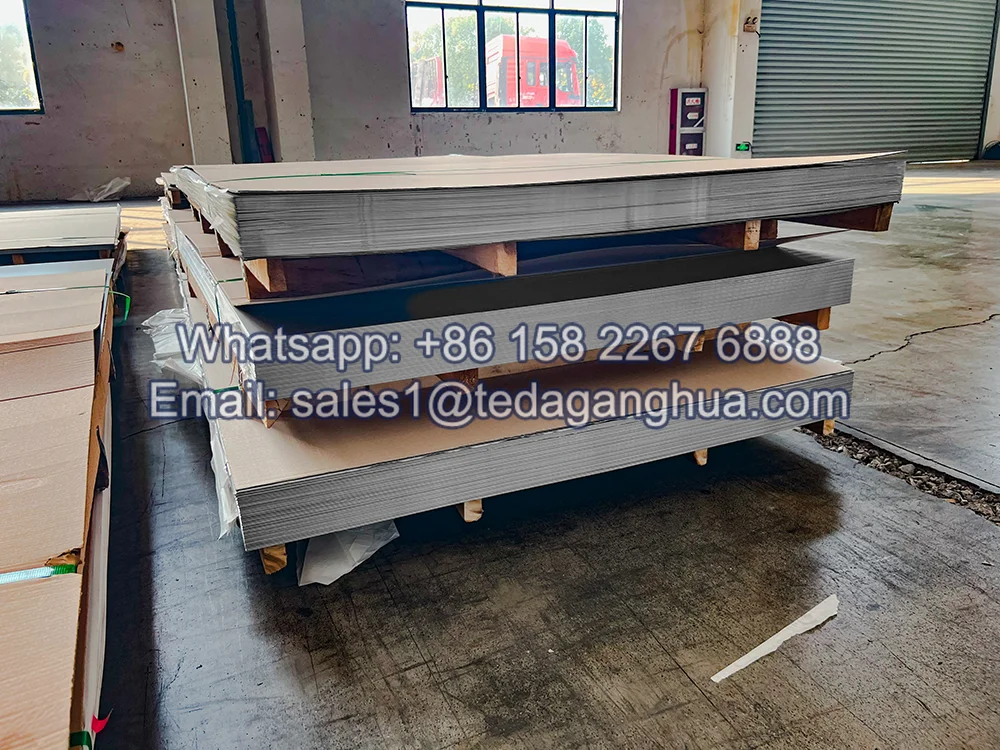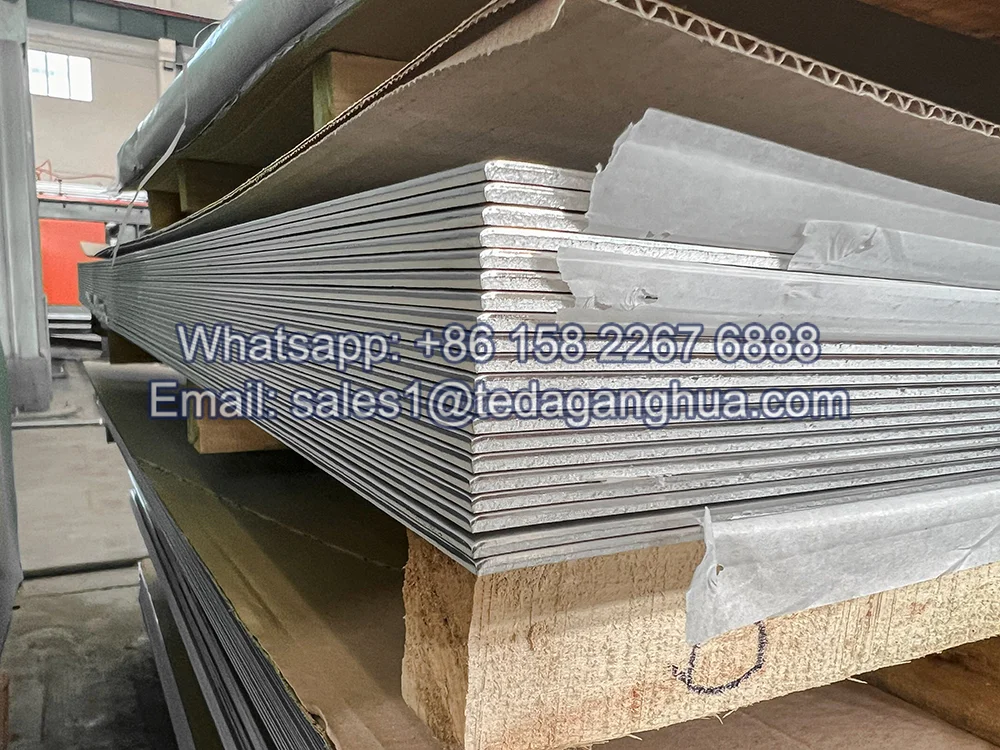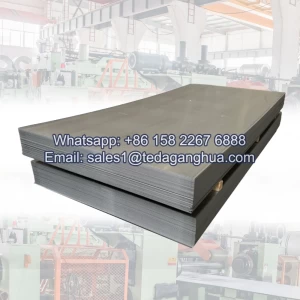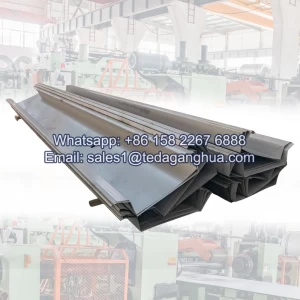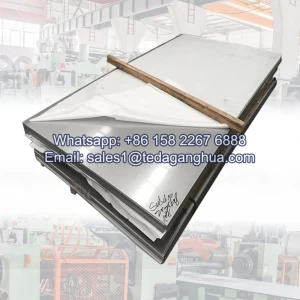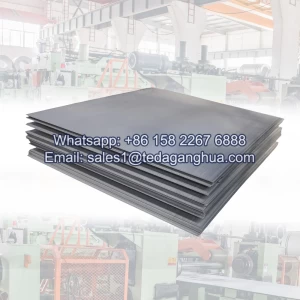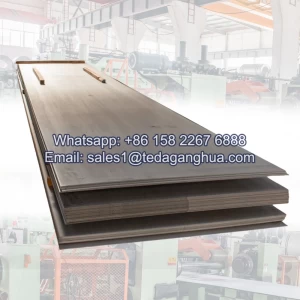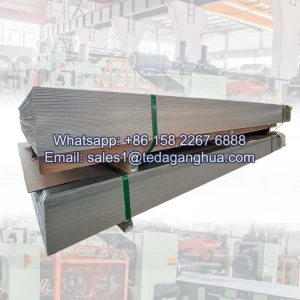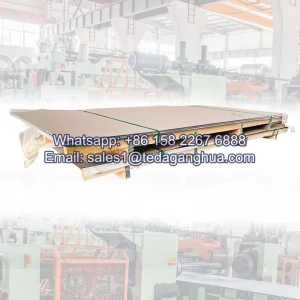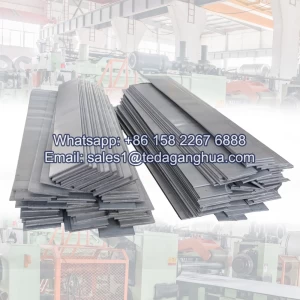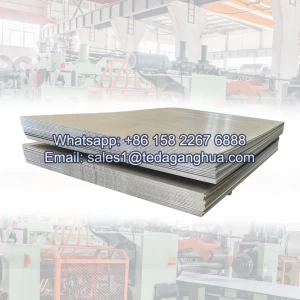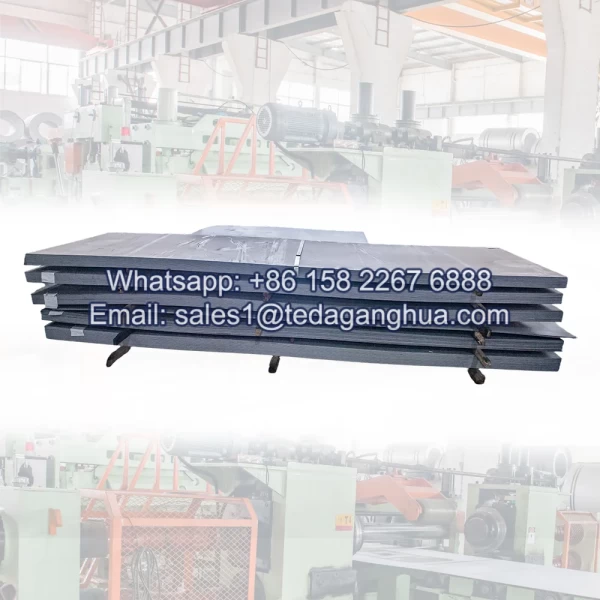
420 Cần bán tấm thép không gỉ
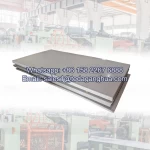
420 stainless steel sheet is a high-carbon martensitic stainless steel designed for applications requiring độ cứng, sức mạnh, and wear resistance. Its ability to be heat treated makes it ideal for dụng cụ cắt, linh kiện công nghiệp, and precision mechanical parts.
- Sự miêu tả
420 stainless steel sheet is a thép không gỉ martensitic được biết đến với nó high hardness, good wear resistance, and ability to be heat treated. It is often referred to as a “cutlery-grade” stainless steel due to its excellent edge retention after hardening.
It is widely used in applications where strength and hardness are more important than corrosion resistance.
Thành phần hóa học của 420 thép không gỉ
Typical Composition Range
| Yếu tố | Nội dung (%) |
|---|---|
| crom (Cr) | 12.0 – 14.0 |
| Cacbon (C) | 0.15 – 0.40 |
| Mangan (Mn) | ≤ 1.0 |
| Silicon (Và) | ≤ 1.0 |
| Phốt pho (P) | ≤ 0.04 |
| lưu huỳnh (S) | ≤ 0.03 |
Key Composition Features
- Hàm lượng carbon cao hơn than 410 improves hardness and strength
- Nội dung crom provides basic corrosion resistance
- No significant nickel content, keeping cost relatively moderate
Tính chất cơ học của 420 Tấm thép không gỉ
| Tình trạng | độ cứng | Độ bền kéo |
|---|---|---|
| Ủ | ~180–220 HB | ~600 MPa |
| Hardened & Tempered | Lên tới 50–55 HRC | 700–900 MPa |
Performance Characteristics
- Excellent hardness after heat treatment
- Good wear and abrasion resistance
- Moderate strength and toughness
- Lower ductility compared to austenitic stainless steels
Heat Treatment Capability
420 stainless steel can be hardened by heat treatment, which is one of its key advantages.
Typical Heat Treatment Process
- Hardening: 980–1050°C → quenching
- ủ: 150–400°C depending on required hardness
Kết quả:
- Increased hardness and strength
- Improved wear resistance
Chống ăn mòn
420 ưu đãi thép không gỉ chống ăn mòn vừa phải, but it is lower than grades like 304 hoặc 316.
Performance Overview
- Thích hợp cho khô, trong nhà, hoặc môi trường ăn mòn nhẹ
- Limited resistance to:
- Chlorides
- Acids
- Môi trường biển
Ghi chú:
Polished surfaces improve corrosion resistance performance.
Fabrication and Processing
Gia công
- Good machinability in annealed condition
- Harder to machine after heat treatment
hàn
- Limited weldability
- Preheating and post-weld heat treatment recommended
hình thành
- Limited formability compared to austenitic grades
- Best processed before hardening
Ứng dụng phổ biến của 420 Tấm thép không gỉ
Cutting and Blade Applications
- Knives and cutlery
- Dụng cụ phẫu thuật
- Scissors and blades
Industrial Components
- Valves and pump parts
- Shafts and gears
- Wear-resistant parts
Tooling and Mechanical Use
- Khuôn và khuôn (light duty)
- Measuring instruments
- Mechanical components requiring hardness
420 so với các loại thép không gỉ khác
| Tài sản | 420 | 410 | 304 |
|---|---|---|---|
| Hàm lượng cacbon | Cao hơn | Thấp hơn | Rất thấp |
| độ cứng | Rất cao | Vừa phải | Thấp |
| Chống ăn mòn | Vừa phải | Vừa phải | Xuất sắc |
| Có thể xử lý nhiệt | Đúng | Đúng | KHÔNG |
| Sử dụng chính | lưỡi dao, mặc các bộ phận | Mục đích chung | Chống ăn mòn |
Ưu điểm của 420 Tấm thép không gỉ
- High hardness after heat treatment
- Excellent wear resistance
- Good polishability (can achieve mirror finish)
- Cost-effective for tooling and blade applications
Hạn chế
- Lower corrosion resistance than austenitic stainless steels
- Reduced ductility and weldability
- Not suitable for highly corrosive environments