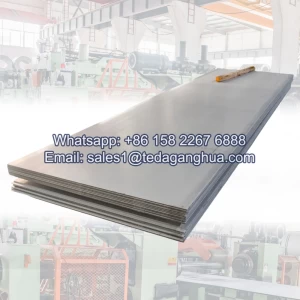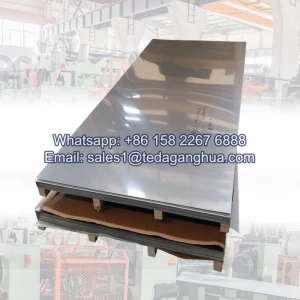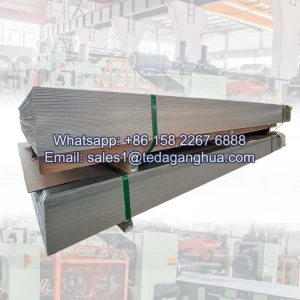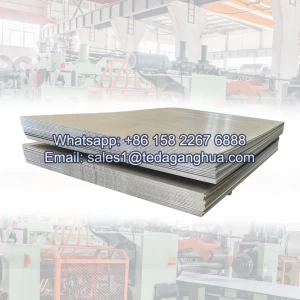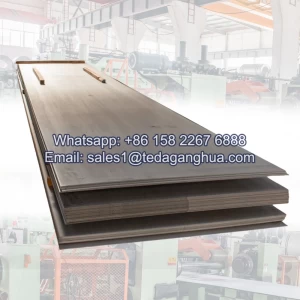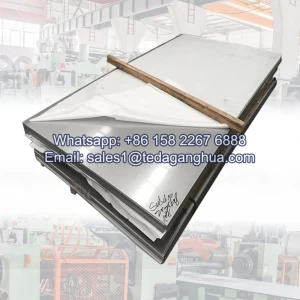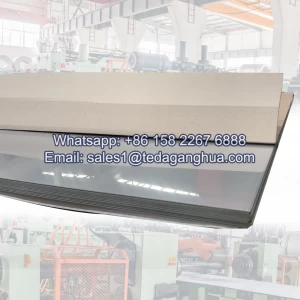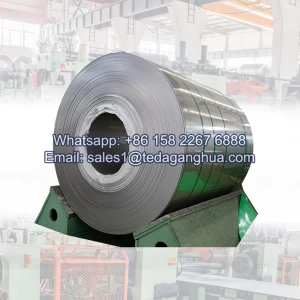
316 Tấm kim loại Ss
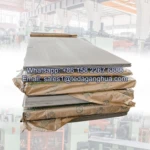
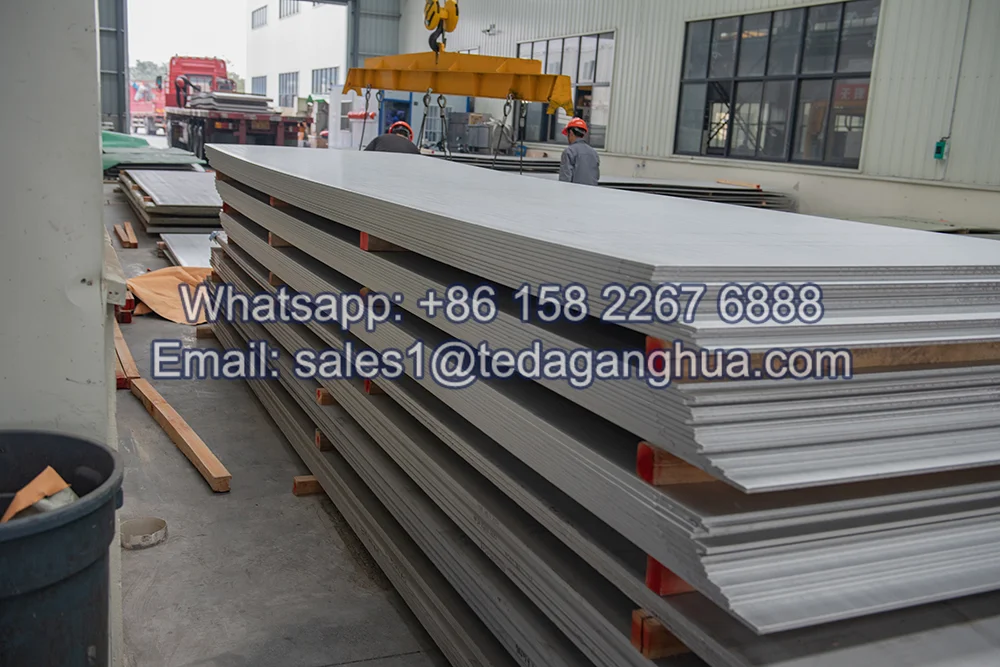
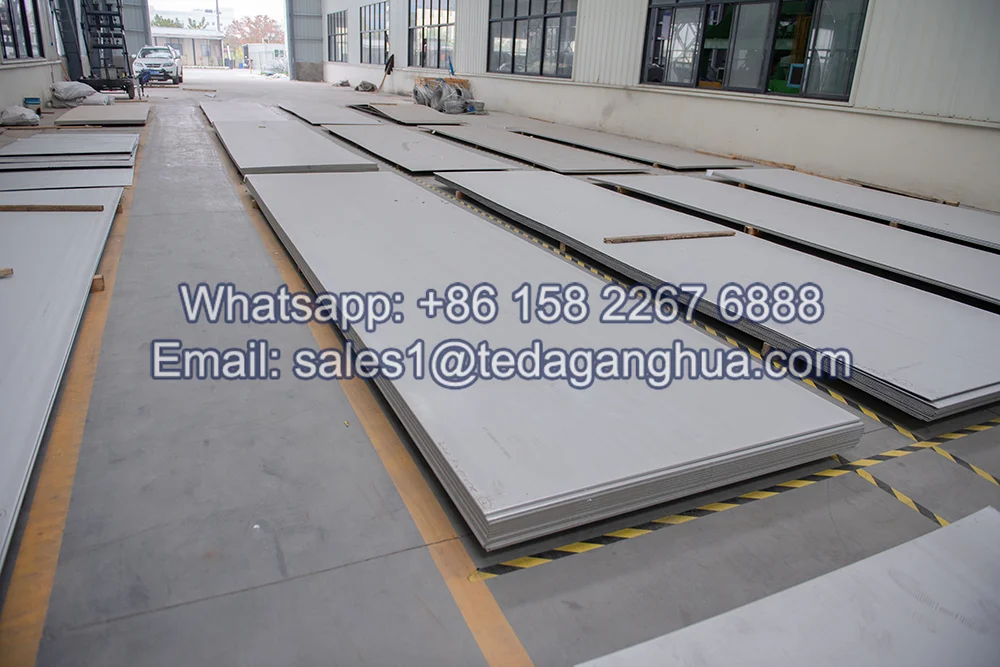
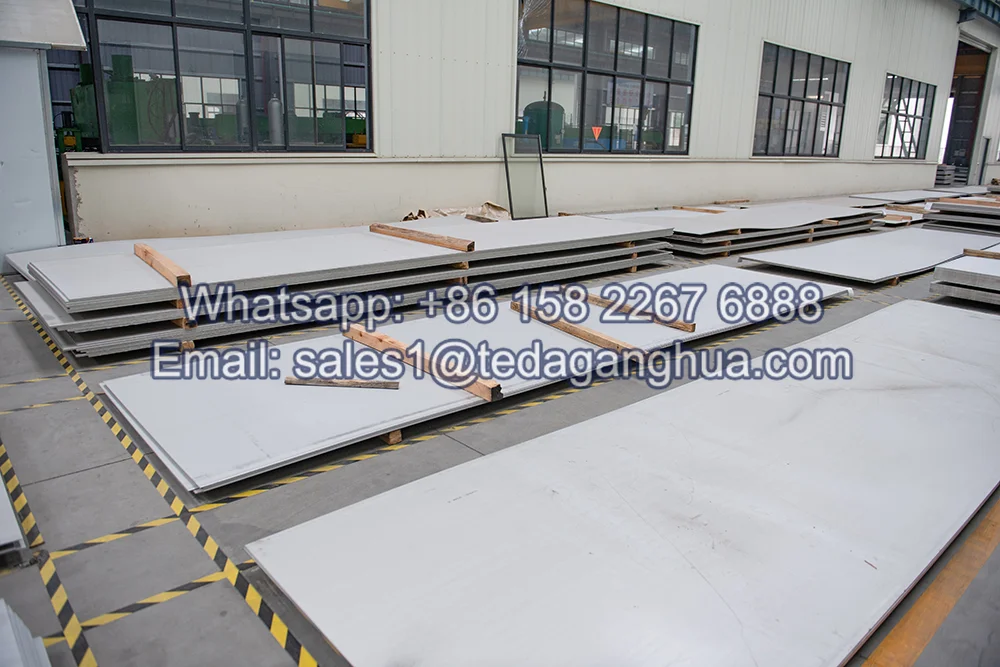
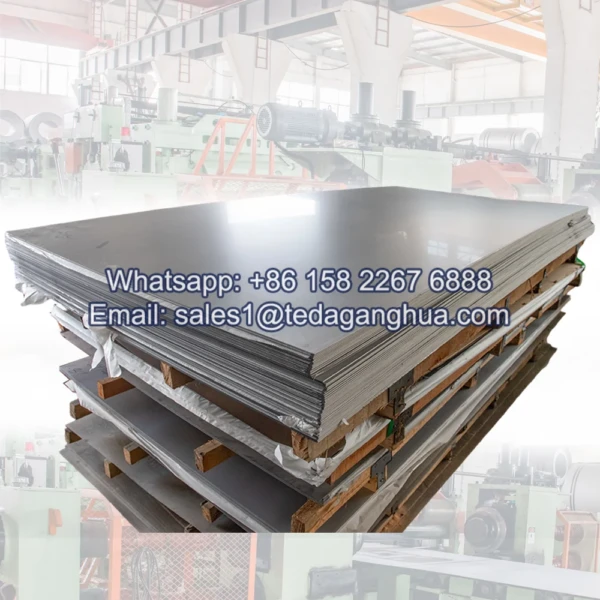
316 SS sheet metal offers stronger corrosion resistance than 304 due to its molybdenum content, making it ideal for marine and chemical applications. So với 314 thép không gỉ, 316 performs better in corrosive environments, trong khi 314 is more suitable for high-temperature service.
Among these grades:
- 304 is the standard general-purpose stainless steel
- 316 is preferred for corrosion resistance
- 314 is designed for high-temperature applications
- Sự miêu tả
316 SS sheet metal is a high-performance austenitic stainless steel sheet widely used in marine equipment, xử lý hóa chất, and food-grade industries. So với 304 thép không gỉ, 316 cung cấp khả năng chống ăn mòn được cải thiện do bổ sung molypden. It is also often compared with 314 thép không gỉ, which is known for high-temperature oxidation resistance.
Understanding the differences between 316, 314, Và 304 tấm kim loại thép không gỉ helps buyers choose the right material for corrosive, nhiệt độ cao, or general-purpose applications.
Là gì 316 SS Sheet Metal?
316 stainless steel sheet metal is an austenitic stainless steel containing chromium, niken, và molypden. The molybdenum content gives it stronger resistance to chloride corrosion and pitting than standard 304 thép không gỉ.
Các ứng dụng điển hình bao gồm:
- Bể chứa hóa chất
- Công trình biển
- Bộ trao đổi nhiệt
- Thiết bị chế biến thực phẩm
- Thiết bị dược phẩm
- Thiết bị y tế
316 sheet is commonly supplied in cold rolled and hot rolled forms, with surface finishes such as 2B, cử nhân, Số 4, và gương.
So sánh thành phần hóa học
The main difference between 304, 314, Và 316 stainless steel lies in alloy composition.
| Cấp | crom (%) | Niken (%) | Molypden (%) | Tính năng chính |
|---|---|---|---|---|
| 304 | 18–20 | 8–10.5 | — | Chống ăn mòn chung |
| 316 | 16–18 | 10–14 | 2–3 | Kháng clorua |
| 314 | 24–26 | 19–22 | — | Chịu nhiệt độ cao |
316 includes molybdenum, trong khi 314 contains higher chromium and nickel for superior heat resistance.
Corrosion Resistance Comparison
316 vs 304
316 stainless steel has better corrosion resistance than 304, đặc biệt là ở:
- Saltwater environments
- Coastal areas
- Chemical plants
- Acidic processing environments
This is because molybdenum improves resistance to pitting and crevice corrosion.
316 vs 314
314 stainless steel is not primarily designed for wet corrosion resistance. It is mainly used for high-temperature applications.
For humid or chloride environments, 316 is usually preferred.
Heat Resistance Comparison
314 stainless steel is well known for excellent oxidation resistance at elevated temperatures.
| Cấp | Nhiệt độ dịch vụ tối đa |
|---|---|
| 304 | About 870°C |
| 316 | About 870°C |
| 314 | About 1150°C |
314 performs significantly better in furnaces, kilns, and heat treatment equipment.
If high-temperature service is the main requirement, 314 is generally superior.
Mechanical Property Comparison
| Tài sản | 304 | 316 | 314 |
|---|---|---|---|
| Độ bền kéo | ≥ 515 MPa | ≥ 515 MPa | ≥ 520 MPa |
| Sức mạnh năng suất | ≥ 205 MPa | ≥ 205 MPa | ≥ 210 MPa |
| Độ giãn dài | ≥ 40% | ≥ 40% | ≥ 40% |
The mechanical properties are relatively similar, but service environment determines material selection.
Common Applications Comparison
304 Tấm thép không gỉ
Used for general industrial and decorative applications:
- Thiết bị nhà bếp
- Tấm trang trí
- Bể chứa nước
- Thiết bị gia dụng
- Structural sheet fabrication
316 Tấm thép không gỉ
Used for corrosion-critical applications:
- Thiết bị hàng hải
- Bể chứa hóa chất
- Thiết bị dược phẩm
- Food processing machinery
- Medical instruments
314 Tấm thép không gỉ
Used for heat-resistant applications:
- Industrial furnaces
- Burner components
- Heat treatment trays
- High-temperature ducts
- Thiết bị xử lý nhiệt
Which Grade Is Better?
The best stainless steel sheet depends on the service environment.
| Yêu cầu | Recommended Grade |
|---|---|
| General indoor use | 304 |
| Hàng hải / chemical environment | 316 |
| High temperature above 1000°C | 314 |
316 stainless steel sheet metal is often selected when corrosion resistance is more important than cost, especially in harsh industrial conditions.