
- Sự miêu tả
304 Stainless Bar vs 316 Thanh không gỉ: Key Differences and Performance Comparison
304 stainless bar and 316 stainless bar are two of the most widely used austenitic stainless steel materials in industrial applications. They share similar mechanical strength and formability, but differ significantly in corrosion resistance due to their alloy composition.
Understanding the difference between these two grades helps engineers and buyers select the right material for cost, độ bền, và điều kiện môi trường.
1. So sánh thành phần hóa học
| Yếu tố | 304 Thanh không gỉ | 316 Thanh không gỉ | Sự khác biệt chính |
|---|---|---|---|
| crom (Cr) | 18.0 – 20.0% | 16.0 – 18.0% | Slightly higher in 304 |
| Niken (TRONG) | 8.0 – 10.5% | 10.0 – 14.0% | Higher in 316 |
| Molypden (Mo) | Không có | 2.0 – 3.0% | Key advantage of 316 |
| Cacbon (C) | ≤ 0.08% | ≤ 0.08% | Similar |
2. Hiệu suất chống ăn mòn
The most important difference between 304 Và 316 stainless bar is corrosion resistance, đặc biệt là trong môi trường clorua.
- 304 Thanh không gỉ: Good corrosion resistance in general atmospheric and indoor environments
- 316 Thanh không gỉ: Excellent resistance to seawater, salt spray, và tiếp xúc với hóa chất
The addition of molybdenum in 316 significantly improves resistance to pitting and crevice corrosion.
3. So sánh tính chất cơ học
| Tài sản | 304 Thanh không gỉ | 316 Thanh không gỉ |
|---|---|---|
| Độ bền kéo | 515 – 750 MPa | 515 – 750 MPa |
| Sức mạnh năng suất | ~205 MPa | ~205 MPa |
| Độ giãn dài | ~40% | ~40% |
Both materials have similar mechanical strength, making corrosion resistance the main selection factor.
4. Application Environment Difference
- 304 Thanh không gỉ: Indoor structures, food equipment, máy móc nói chung, sử dụng kiến trúc
- 316 Thanh không gỉ: Kỹ thuật hàng hải, xử lý hóa chất, medical equipment, coastal construction
5. So sánh chi phí
304 stainless bar is more cost-effective due to the absence of molybdenum and lower nickel content. 316 stainless bar is more expensive but provides superior performance in harsh environments.
- 304: Economical and widely available
- 316: Chi phí cao hơn, khả năng chống ăn mòn cao hơn
6. How to Choose Between 304 Và 316 Thanh không gỉ
The selection depends mainly on the working environment:
- If the environment is dry or mildly corrosive → choose 304
- If exposed to seawater, salt, or chemicals → choose 316
- If long-term durability is critical → 316 is preferred
7. Khả năng cung cấp công nghiệp
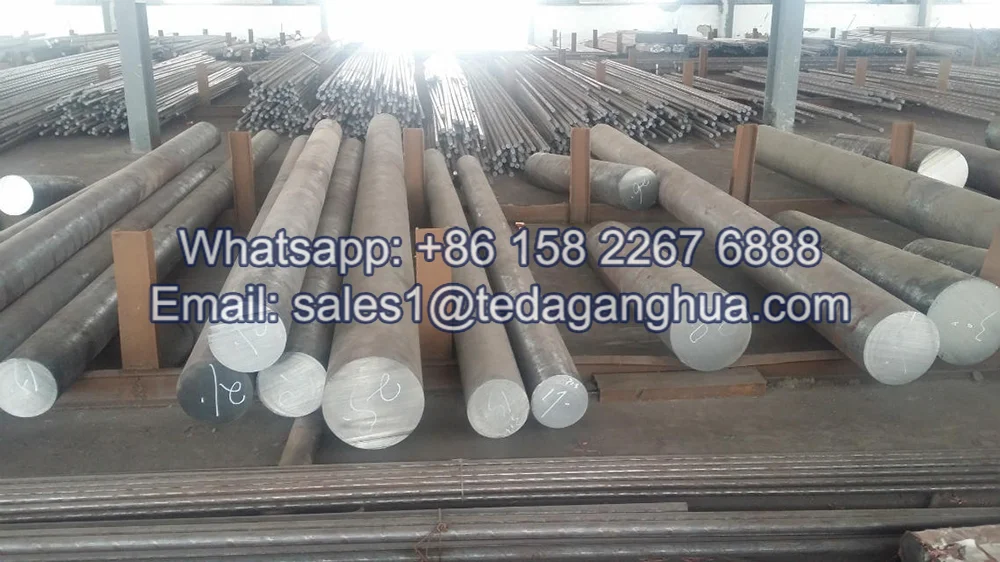
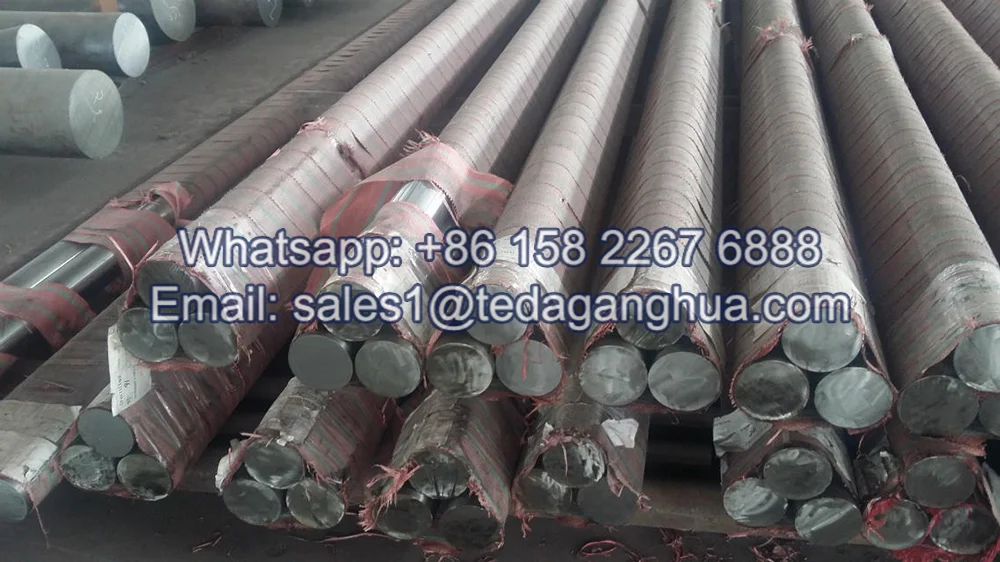
Trong chuỗi cung ứng thép không gỉ toàn cầu, Teda Ganghua provides both 304 Và 316 stainless bars with stable chemical composition, precise dimensional control, and export-grade packaging for industrial applications.
This allows customers to select the most suitable grade based on performance requirements and cost optimization.
Câu hỏi thường gặp
1. Which is better, 304 hoặc 316 thanh thép không gỉ?
316 is better in corrosion resistance, trong khi 304 is more cost-effective for general use.
2. Tại sao là 316 more expensive than 304?
Because it contains molybdenum and higher nickel content, which improves corrosion resistance.
3. Có thể 304 stainless bar be used outdoors?
Đúng, but it is less suitable for coastal or high-chloride environments.
4. Là 316 stainless steel stronger than 304?
Their mechanical strength is similar; the main difference is corrosion resistance.
5. Does Teda Ganghua supply both 304 Và 316 thanh không gỉ?
Đúng, Teda Ganghua supplies both grades with stable quality and export-ready packaging.