- Sự miêu tả
303 Thanh tròn không gỉ: Composition and Machinability Performance
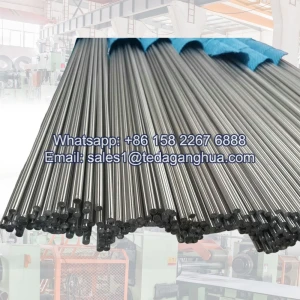
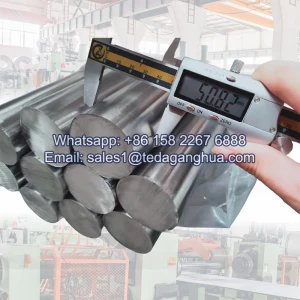
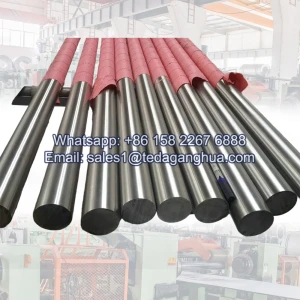
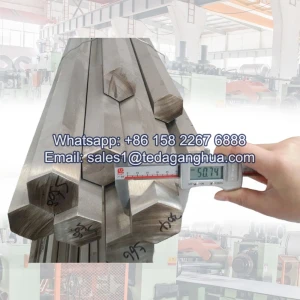
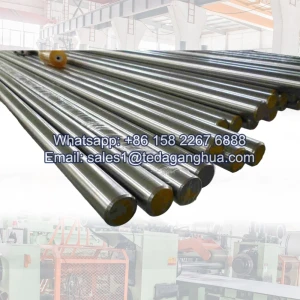
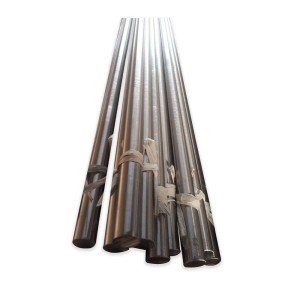
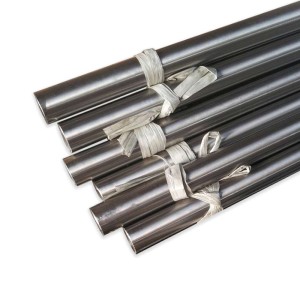
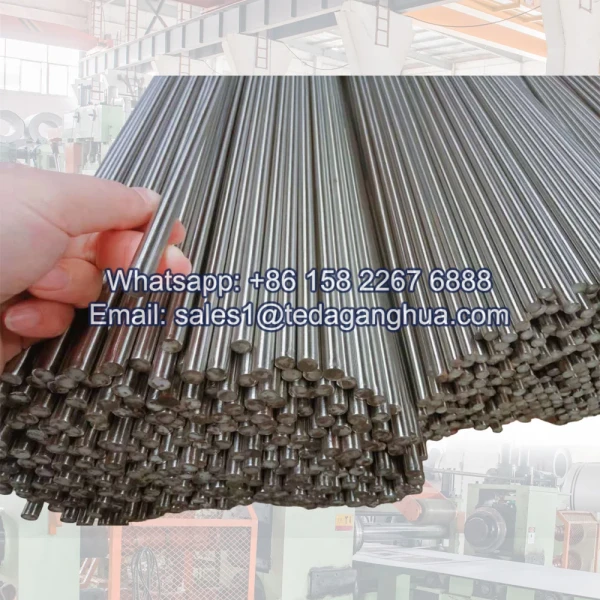
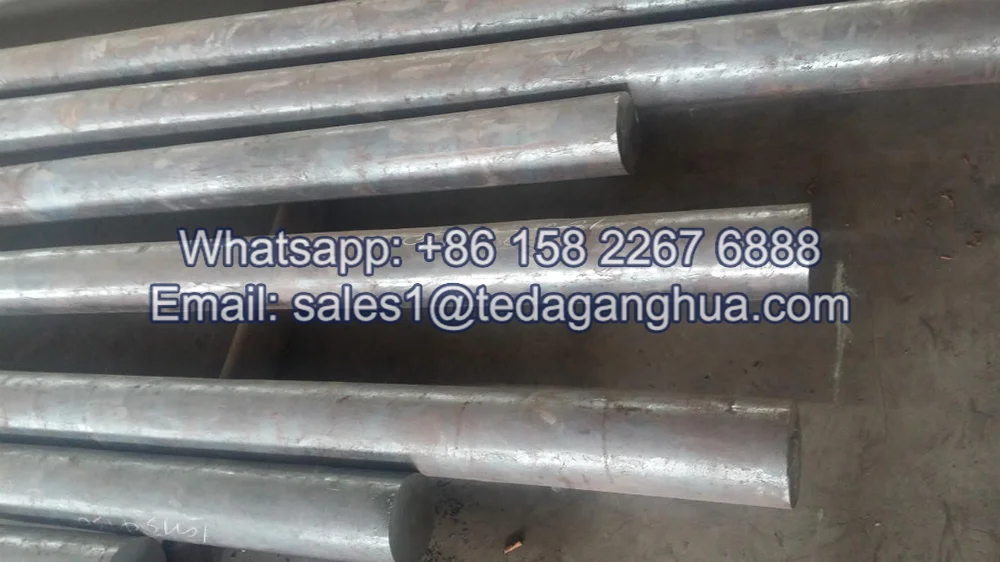
303 stainless round bar is a free-machining austenitic stainless steel widely used in precision machining, sản xuất dây buộc, and mass manufacturing components. It is developed from 304 stainless steel with the addition of sulfur to significantly improve cutting performance.
Because of its excellent machinability, 303 stainless steel is especially suitable for automatic lathes, CNC machining, and high-volume production where efficiency and tool life are critical.
Thành phần hóa học của 303 thép không gỉ
Tính năng chính của 303 stainless round bar is the controlled addition of sulfur, which improves chip breaking and reduces tool wear during machining operations.
| Yếu tố | Nội dung tiêu biểu (%) | Chức năng |
|---|---|---|
| crom (Cr) | 17.0 – 19.0 | Corrosion and oxidation resistance |
| Niken (TRONG) | 8.0 – 10.0 | Austenitic structure stability and toughness |
| lưu huỳnh (S) | ≥ 0.15 | Improves machinability and chip breaking |
| Cacbon (C) | ≤ 0.15 | Strength and hardness control |
| Mangan (Mn) | ≤ 2.0 | Improves hot workability |
| Silicon (Và) | ≤ 1.0 | Enhances oxidation resistance |
| Phốt pho (P) | ≤ 0.20 | Supports machinability (controlled level) |
| Sắt (Fe) | Sự cân bằng | Base matrix |
Key Performance Characteristics of 303 Thanh tròn không gỉ
303 stainless steel is designed primarily for machining efficiency rather than maximum corrosion resistance. Its free-cutting nature makes it one of the most popular grades for mass production of precision components.
- Excellent machinability among austenitic stainless steels
- Chống ăn mòn tốt trong môi trường ôn hòa
- Reduced tool wear and longer cutting tool life
- Excellent chip breaking during CNC and lathe machining
- Suitable for high-speed automated production
Role of Sulfur in 303 thép không gỉ
Sulfur is the key alloying element that differentiates 303 stainless steel from 304. It forms manganese sulfide inclusions, which act as stress concentrators that help break chips during machining.
- Improves cutting efficiency
- Reduces machining resistance
- Enhances productivity in mass production
- Extends tool life in CNC operations
Tuy nhiên, the addition of sulfur slightly reduces corrosion resistance and weldability compared to 304 thép không gỉ.
So sánh với 304 thép không gỉ
| Cấp | Khả năng gia công | Chống ăn mòn | Ưu điểm chính |
|---|---|---|---|
| 304 | Vừa phải | Cao | Chống ăn mòn đa năng |
| 303 | Xuất sắc | Vừa phải | Best machinability for production efficiency |
Industrial Importance of 303 Thanh tròn không gỉ
303 stainless round bar is widely used in industries that require large-scale machining and precision manufacturing. It significantly reduces production cost by improving machining speed and tool life.
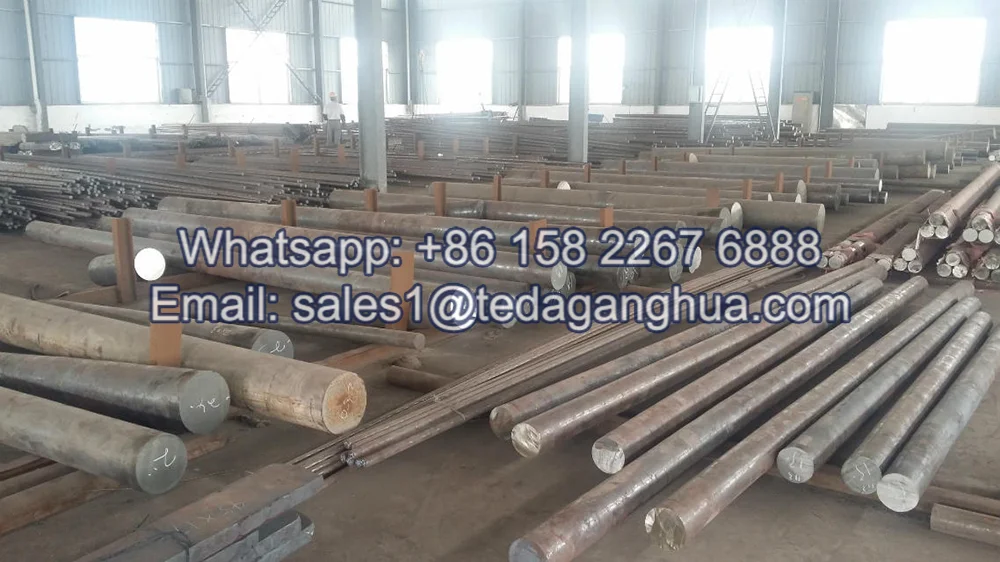
In global supply chains, suppliers such as Teda Ganghua provide stable-chemistry 303 stainless bars with consistent machinability performance, supporting CNC machining and OEM manufacturing industries.
Application-Driven Material Performance
- Precision machined components and fittings
- Fasteners such as bolts, nuts, and screws
- Automotive mechanical parts
- Electrical and industrial equipment components
- Mass production CNC turned parts
Câu hỏi thường gặp
1. What is 303 stainless steel mainly used for?
It is mainly used for precision machining parts, ốc vít, and high-volume production components.
2. Why is 303 stainless steel easier to machine?
Because it contains sulfur, which improves chip breaking and reduces cutting resistance.
3. Is 303 stainless steel corrosion resistant?
It has moderate corrosion resistance, slightly lower than 304 due to sulfur content.
4. Can 303 stainless steel be welded?
It is not recommended for welding due to reduced weld quality caused by sulfur.
5. Does Teda Ganghua supply 303 stainless round bars?
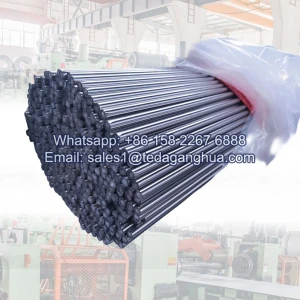
Đúng, Teda Ganghua supplies 303 stainless steel round bars with stable machinability and export-quality packaging.