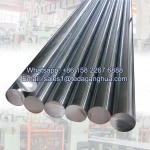
- Sự miêu tả
17-4 Thanh tròn bằng thép không gỉ: Composition and Performance Characteristics
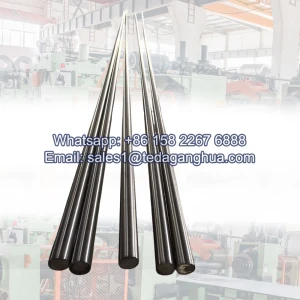
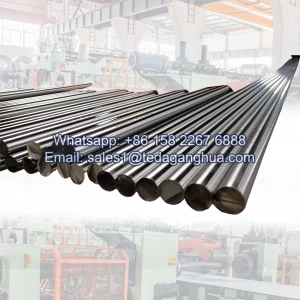
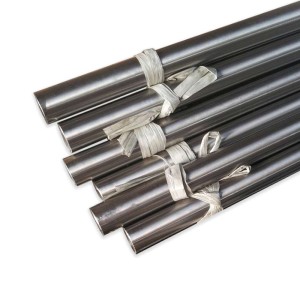
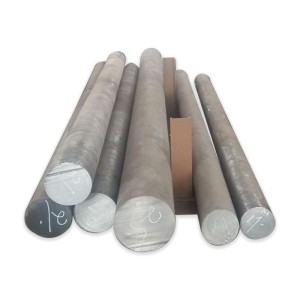
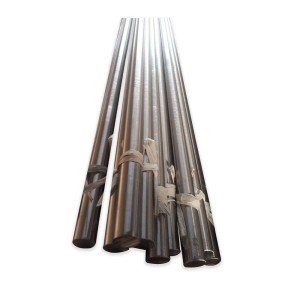
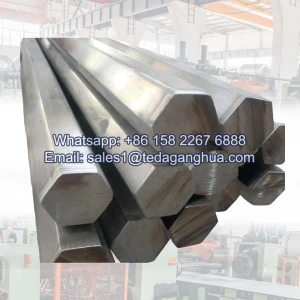
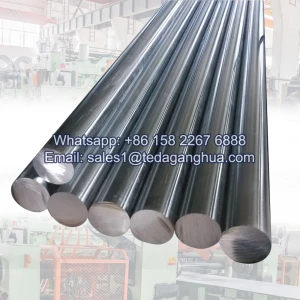
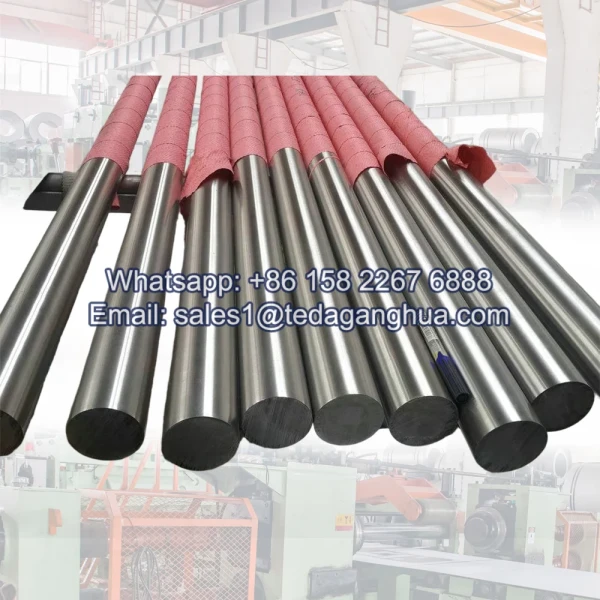
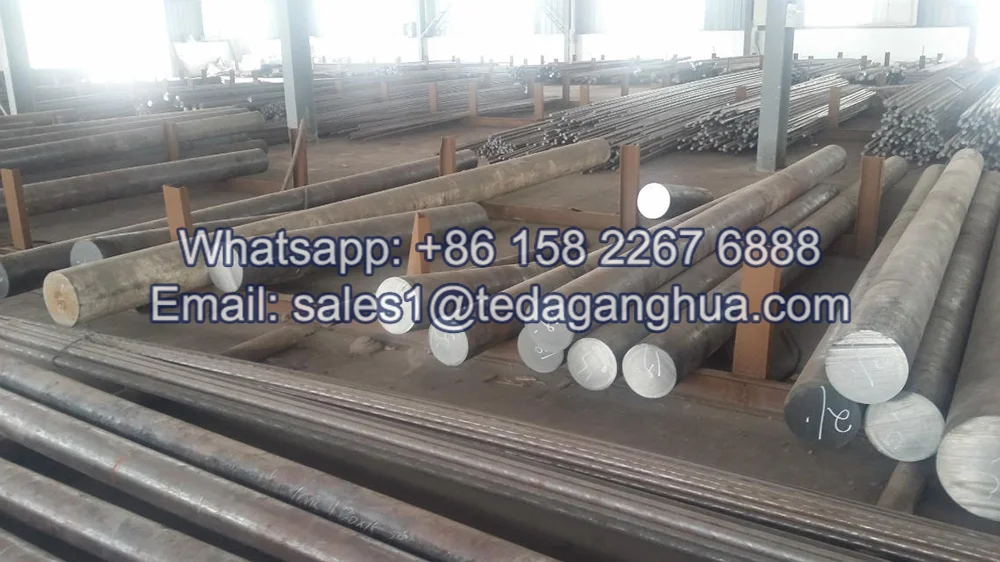
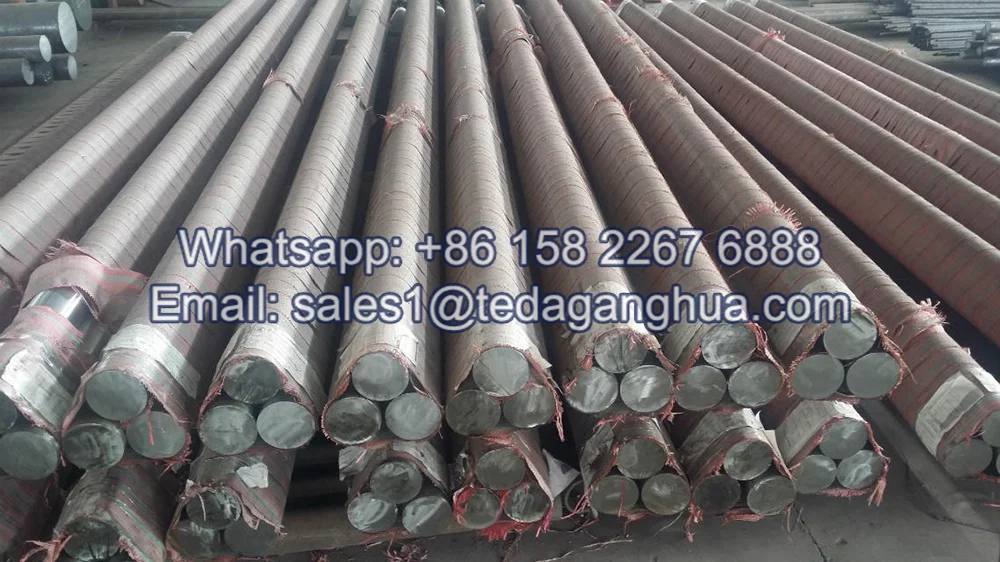
17-4 stainless steel round bar (also known as 17-4PH or AISI 630) is a precipitation-hardening martensitic stainless steel that combines high strength with good corrosion resistance. It is widely used in aerospace, hàng hải, hóa dầu, and precision engineering industries where both mechanical performance and dimensional stability are required.
Unlike austenitic stainless steels such as 304 hoặc 316, 17-4 stainless steel achieves its strength through heat treatment (aging process), not only through alloy composition, making it suitable for high-load structural and mechanical components.
Thành phần hóa học của 17-4 thép không gỉ
Hiệu suất của 17-4 stainless steel round bar is mainly determined by its balanced chromium, niken, and copper alloy system, along with a controlled carbon level and precipitation-hardening elements.
| Yếu tố | Nội dung tiêu biểu (%) | Chức năng |
|---|---|---|
| crom (Cr) | 15.0 – 17.5 | Corrosion resistance and oxidation protection |
| Niken (TRONG) | 3.0 – 5.0 | Stabilizes martensitic structure and toughness |
| đồng (Củ) | 3.0 – 5.0 | Key element for precipitation hardening |
| Niobi / Columbium (Nb) | 0.15 – 0.45 | Strengthening and grain stabilization |
| Cacbon (C) | ≤ 0.07 | Controls hardness and weldability |
| Mangan (Mn) | ≤ 1.0 | Improves toughness and hot working |
| Silicon (Và) | ≤ 1.0 | Enhances oxidation resistance |
| Sắt (Fe) | Sự cân bằng | Base matrix |
Key Performance Characteristics of 17-4 Thanh tròn bằng thép không gỉ
17-4 stainless steel is known for its exceptional strength-to-corrosion-resistance ratio, making it one of the most widely used precipitation-hardening stainless steels in engineering applications.
- Very high tensile strength after heat treatment (aging)
- Good corrosion resistance in mild atmospheric and chemical environments
- Excellent fatigue resistance under cyclic loading
- Strong hardness stability with minimal deformation after processing
- Good machinability in solution-annealed condition
Heat Treatment and Strength Development
The mechanical properties of 17-4 stainless steel round bar are not fixed in its raw state. They are significantly improved through precipitation hardening (điều trị lão hóa), which forms fine copper-rich phases in the microstructure.
| Tình trạng | Xử lý nhiệt | Performance Level |
|---|---|---|
| Solution Annealed (Condition A) | 1050°C + rapid cooling | Mềm mại, good machinability |
| H900 | Aging at ~480°C | Maximum strength and hardness |
| H1025–H1150 | Aging at higher temperatures | Cân bằng sức mạnh và độ dẻo dai |
Corrosion Resistance Behavior
Trong khi 17-4 stainless steel offers good corrosion resistance, it is not as resistant as 316 stainless steel in chloride-rich environments. Tuy nhiên, it performs well in general atmospheric, công nghiệp, and mildly corrosive conditions.
- Good resistance to atmospheric corrosion
- Moderate resistance in marine environments
- Suitable for oil, khí đốt, and petrochemical conditions
- Performance depends on heat treatment condition
Industrial Importance of Material Composition
The unique combination of chromium, niken, and copper in 17-4 stainless steel round bar enables it to achieve both high strength and corrosion resistance. This balance is critical for precision components that must perform under high mechanical stress.
In global supply chains, suppliers such as Teda Ganghua provide controlled-composition stainless steel bars with stable heat-treatment performance, ensuring consistent quality for aerospace and industrial manufacturing.
Application-Driven Material Advantage
- High-load mechanical components requiring strength and durability
- Aerospace structural fittings and precision parts
- Oil and gas valve and pump components
- Marine engineering connectors and shafts
- Industrial machinery requiring fatigue resistance
For related stainless steel bar and profile products, visit
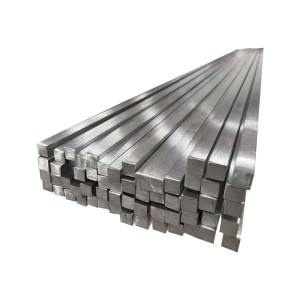
stainless steel profile solutions to explore industrial-grade bars and engineered stainless steel sections.
Câu hỏi thường gặp
1. What is 17-4 stainless steel mainly made of?
It mainly consists of chromium, niken, đồng, and niobium, with iron as the base metal.
2. Why is copper important in 17-4 thép không gỉ?
Copper enables precipitation hardening, which significantly increases strength after heat treatment.
3. Is 17-4 stainless steel stronger than 304?
Đúng, after aging treatment, 17-4 can achieve much higher strength than 304 thép không gỉ.
4. Can 17-4 stainless steel resist corrosion in marine environments?
It has moderate resistance, Nhưng 316 stainless steel performs better in high-chloride environments.
5. Does Teda Ganghua supply 17-4 thanh tròn thép không gỉ?
Đúng, Teda Ganghua supplies precision-controlled 17-4PH stainless steel bars for industrial and engineering applications.