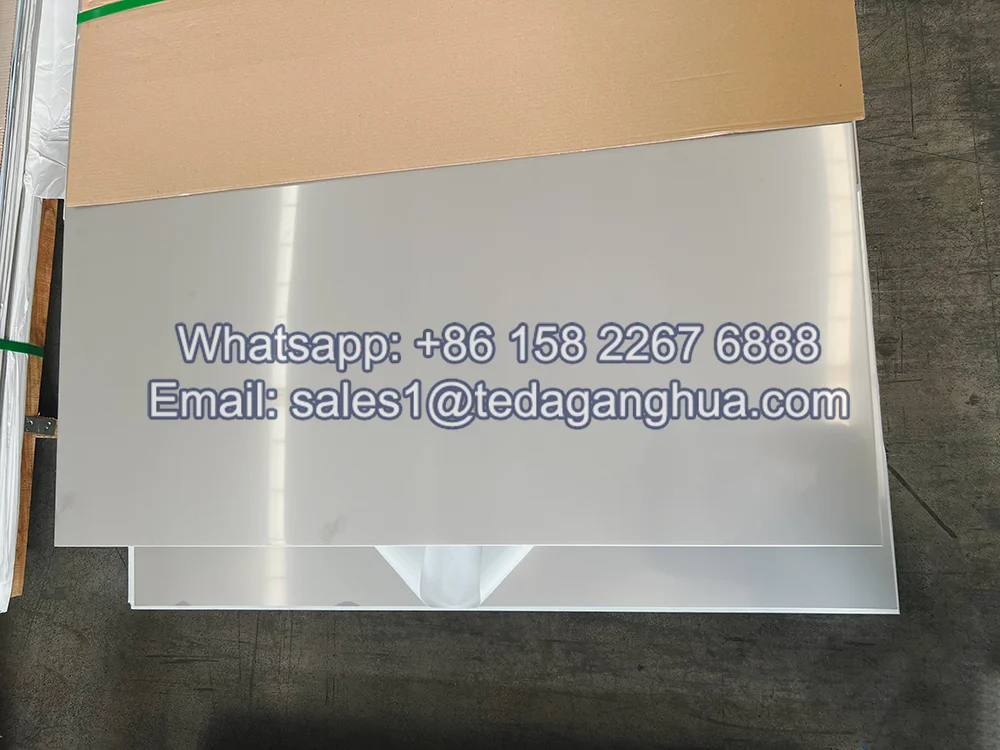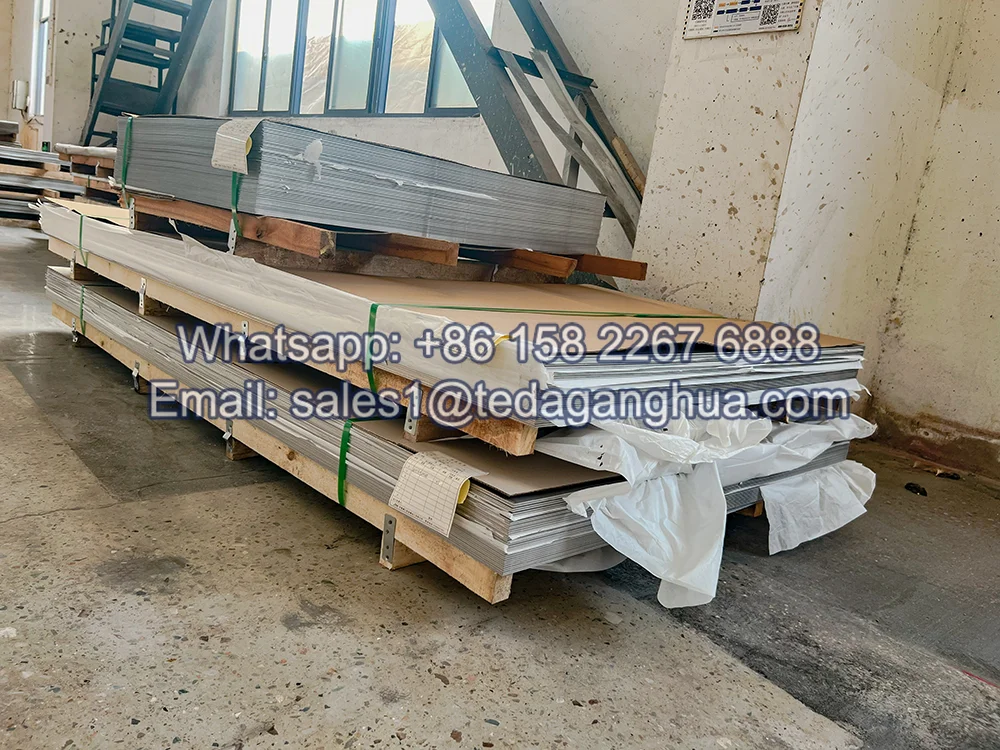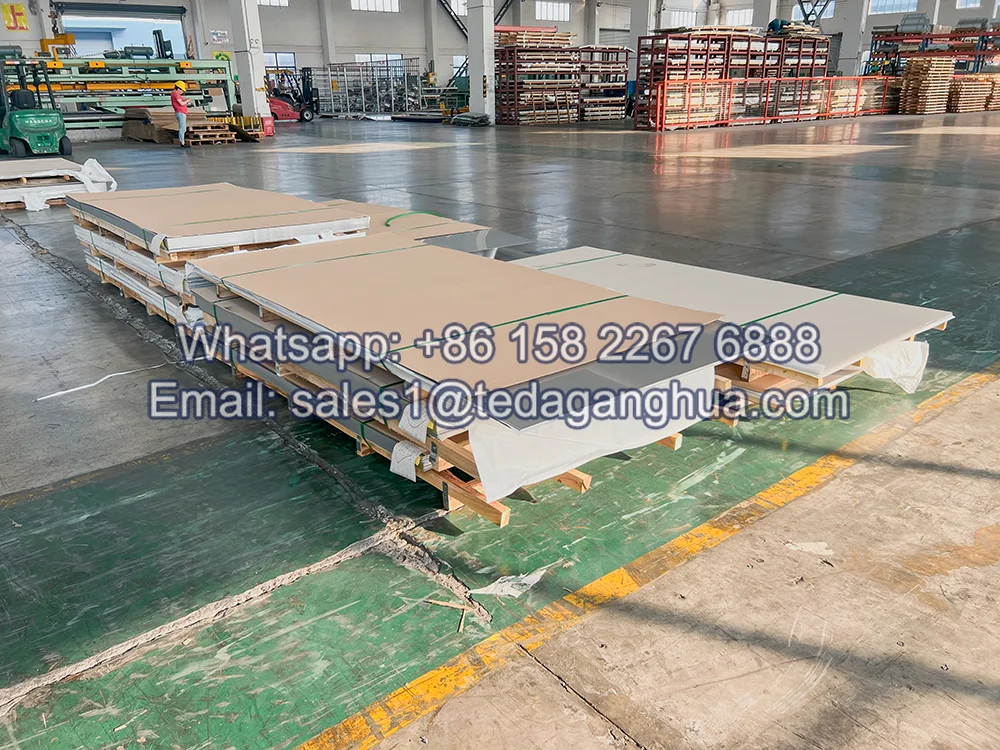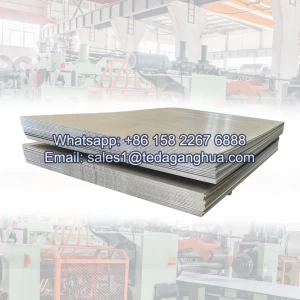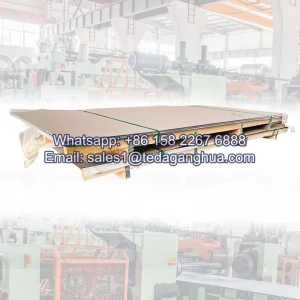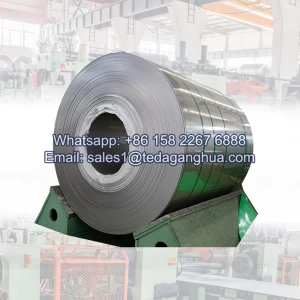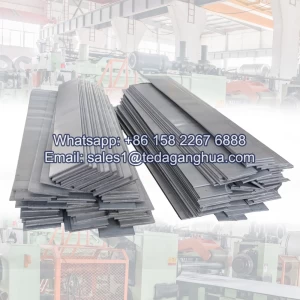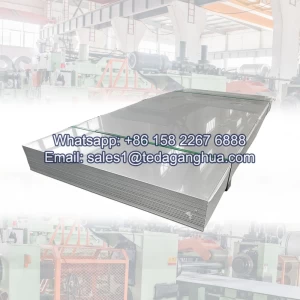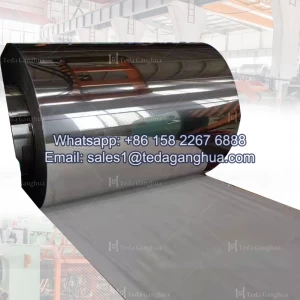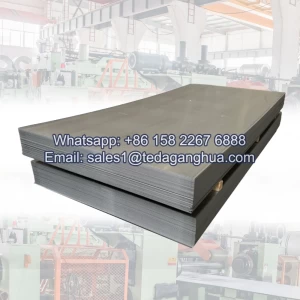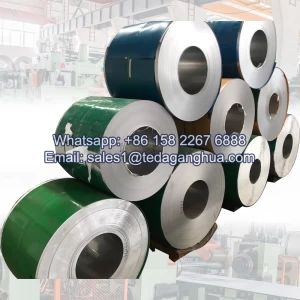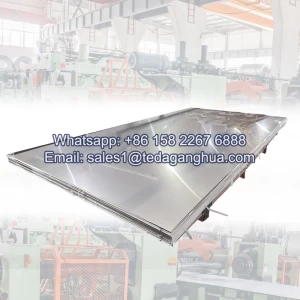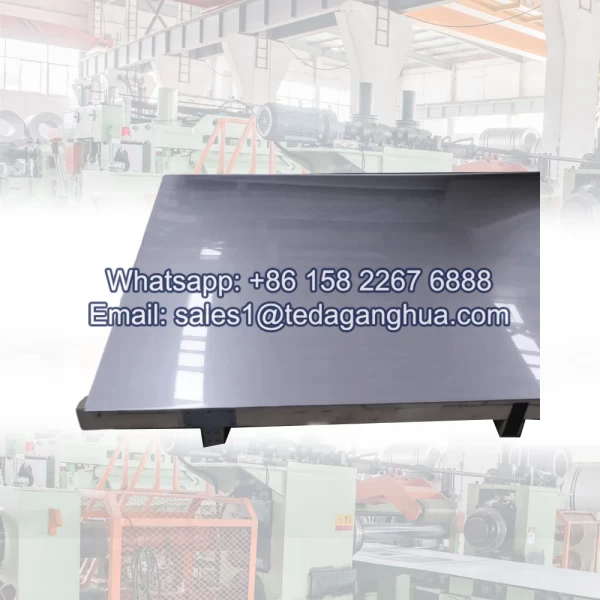
0.05 Tấm thép không gỉ mm
Even though 0.05 tấm thép không gỉ mm use less material, của họ manufacturing precision, chất lượng bề mặt, handling difficulty, and specialized equipment make them more expensive than thick stainless steel plates. The price reflects the added value in precision, vẻ bề ngoài, and usability, which is essential for applications requiring ultra-thin, high-quality stainless steel.
- Sự miêu tả
0.05 tấm thép không gỉ mm are extremely thin and are often used in precision applications such as electronics, medical devices, and decorative laminates. Interestingly, của họ price per kilogram or per square meter is often higher than thicker stainless steel plates, despite containing less metal. This is due to several manufacturing and handling factors.
Reasons for Higher Cost of Ultra-Thin Stainless Steel Sheets
1. Precision Rolling and Manufacturing
-
Producing 0.05 mm sheets requires special cold-rolling processes to achieve uniform thickness.
-
Tight tolerances are necessary to avoid wrinkles, vết nứt, or thickness variation.
-
Multiple passes through precision rolling mills are required, increasing labor, time, and energy consumption.
2. Surface Quality Requirements
-
Ultra-thin sheets must have high-quality surfaces free of scratches, pits, or mill scale.
-
Often delivered with ủ sáng (cử nhân) or mirror (8K) kết thúc, which involve additional polishing and heat treatment.
3. Handling and Packaging Challenges
-
Thin sheets are extremely flexible and delicate, requiring careful handling, protective packaging, and special shipping.
-
Damage during transport can easily occur, increasing costs.
4. Yield Loss
-
Producing ultra-thin sheets can result in higher material loss due to trimming, edge defects, or rejected sheets.
-
The efficiency of production is lower compared to thicker plates, making the unit cost higher.
5. Specialized Equipment
-
Standard rolling mills and cutting equipment are not sufficient vì 0.05 mm sheets.
-
Sử dụng high-precision rolling and tension control machines adds to production cost.
Comparison With Thick Stainless Steel Plates
| Nhân tố | 0.05 mm Sheet | Tấm dày (ví dụ., 3–10 mm) |
|---|---|---|
| Material usage | Thấp | Cao |
| Độ phức tạp sản xuất | Rất cao | Vừa phải |
| Bề mặt hoàn thiện | Critical, requires finishing | Less critical |
| Xử lý | Very delicate | Easy to handle |
| Equipment | Specialized | Standard rolling/cutting |
| Giá mỗi kg | Cao hơn | Thấp hơn |