Tối ưu hóa tần số Laser sợi quang cho 304 thép không gỉ: Độ ổn định cắt, Chất lượng cạnh, và Hướng dẫn kiểm soát thông số
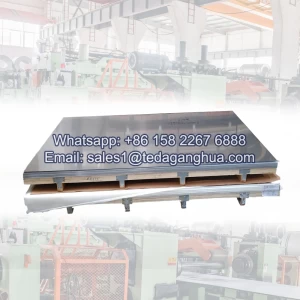
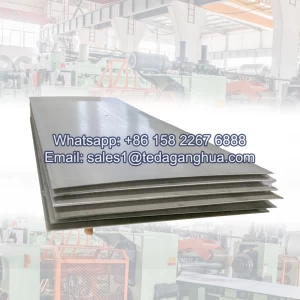
Fiber laser frequency plays a critical role in determining cutting stability, edge quality, and dross formation when processing 304 tấm thép không gỉ. Proper optimization of frequency parameters helps achieve smoother cut edges, reduced heat-affected zones, and improved overall production efficiency in industrial laser cutting applications.
Understanding Fiber Laser Frequency in 304 Stainless Steel Cutting
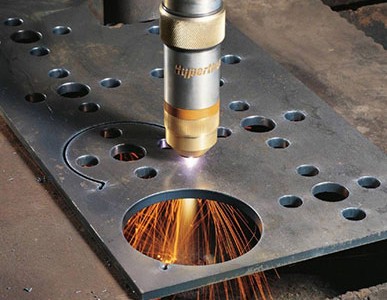
Laser frequency refers to the number of pulses emitted per second in a pulsed fiber laser system. In 304 stainless steel processing, frequency directly influences energy distribution, melt pool stability, and edge smoothness. Higher frequency typically produces finer energy overlap, while lower frequency increases pulse energy per shot.
Vì 304 thép không gỉ, balancing frequency with power and cutting speed is essential to avoid excessive burr formation or rough edge profiles.
Core Frequency Parameter Optimization Strategy
Optimizing fiber laser frequency requires matching material thickness, assist gas pressure, and cutting speed. The following table summarizes typical parameter behavior for 304 tấm thép không gỉ.
| Độ dày tấm | Frequency Range (Hz) | Cutting Result | Recommended Adjustment |
|---|---|---|---|
| 0.5 – 2 mm | 1000 – 3000 | Smooth edge, minimal dross | Increase speed, lower power |
| 2 – 6 mm | 800 – 2000 | Stable melt pool | Balance gas pressure with focus position |
| 6 – 12 mm | 500 – 1500 | Higher risk of burr | Reduce frequency, increase nitrogen pressure |
Interaction Between Frequency, Quyền lực, and Cutting Speed
In fiber laser systems, frequency does not work independently. It interacts with laser power and cutting speed to determine energy density on the material surface. High frequency combined with high speed produces fine, các cạnh mịn, while low frequency with high power is suitable for thicker plates requiring deeper penetration.
Incorrect frequency settings may result in incomplete cutting, excessive burr formation, or thermal deformation of 304 tấm thép không gỉ.
Assist Gas and Frequency Coordination
Nitrogen is commonly used for high-quality cutting of 304 stainless steel due to its ability to prevent oxidation. When frequency is optimized correctly, nitrogen assist gas helps achieve bright, oxide-free edges. Oxygen-assisted cutting can increase speed but will reduce edge quality and corrosion resistance.
For industrial-grade processing of tấm thép không gỉ, nitrogen combined with optimized frequency is the preferred configuration for precision manufacturing.
Common Cutting Defects Caused by Improper Frequency
Incorrect fiber laser frequency settings can lead to several quality issues in 304 stainless steel cutting, bao gồm:
• Excessive dross formation at the bottom edge
• Rough or serrated cutting surfaces
• Incomplete penetration in thicker sheets
• Thermal discoloration and widened heat-affected zones
Best Practice Optimization Guidelines
To achieve stable results in 304 stainless steel laser cutting, operators should gradually tune frequency in small increments while monitoring edge quality. It is recommended to record parameter combinations for different thickness ranges to ensure repeatability in mass production.
Câu hỏi thường gặp
What is the best frequency range for cutting 304 tấm thép không gỉ?
The optimal range typically falls between 800 Hz and 3000 Hz depending on sheet thickness and laser power configuration.
Does higher frequency always improve cut quality?
Không phải lúc nào cũng vậy. Excessively high frequency can reduce pulse energy, leading to incomplete cutting in thicker stainless steel sheets.
How does frequency affect dross formation?
Improper frequency can destabilize the melt pool, increasing the likelihood of dross accumulation on the lower edge.
Should frequency settings change for different thicknesses?
Đúng, thinner sheets require higher frequency for smooth edges, while thicker sheets need lower frequency for deeper penetration.
Is nitrogen necessary when optimizing laser frequency?
Nitrogen is strongly recommended because it supports clean cutting conditions and enhances edge brightness during frequency optimization.