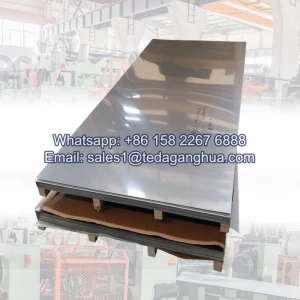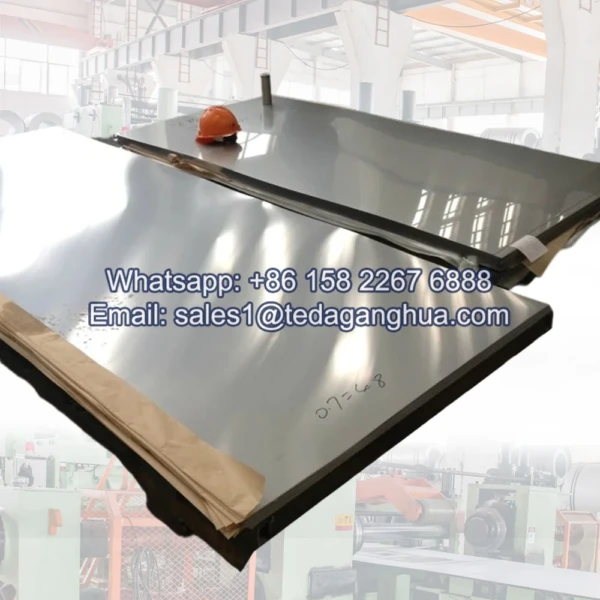

- Description
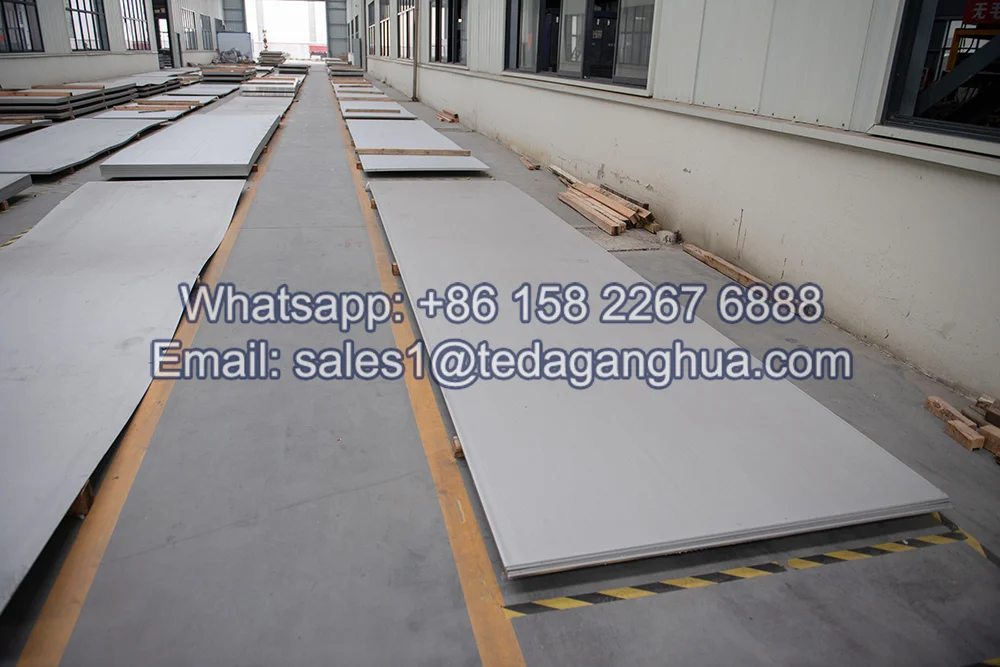
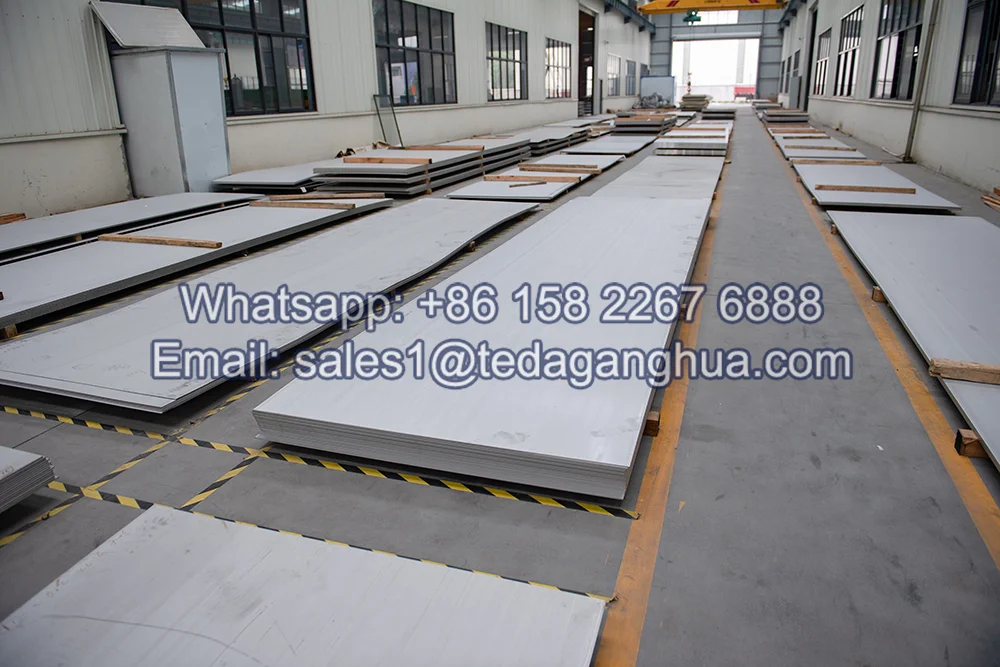
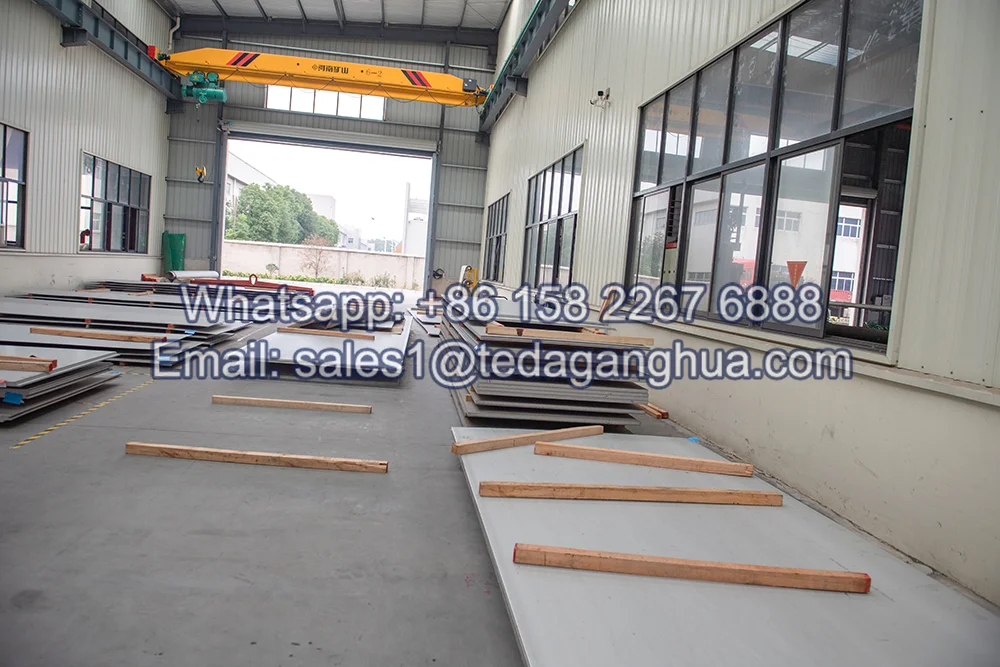
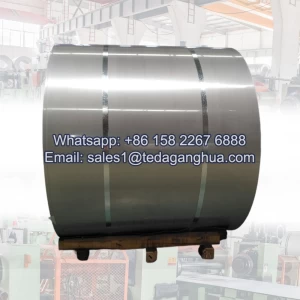
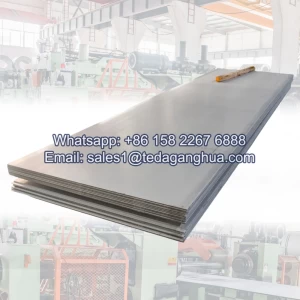
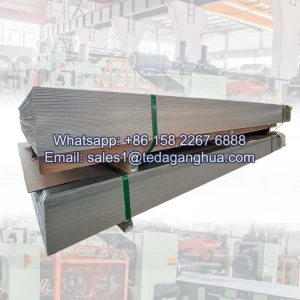
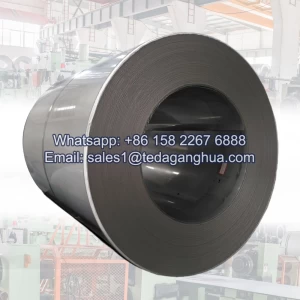
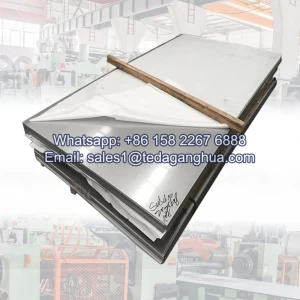
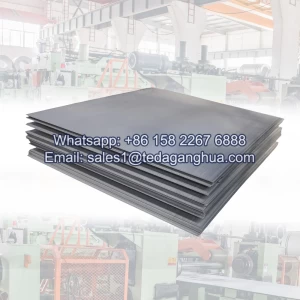
Thick stainless steel sheet refers to medium and heavy gauge stainless steel plates used in structural engineering, industrial equipment, pressure vessels, shipbuilding, machinery manufacturing, and heavy fabrication industries. Compared with thin stainless steel sheets, thick plates provide higher strength, better load-bearing capacity, and improved structural stability.
The definition of “thick” stainless steel sheet varies by industry, but materials above approximately 3 mm thickness are generally classified as medium or thick stainless steel plates.
1. Common Thickness Range of Stainless Steel Sheets and Plates
| Category | Thickness Range | Typical Application |
|---|---|---|
| Thin Stainless Steel Sheet | 0.3 mm – 3 mm | Decoration, kitchen equipment, precision fabrication |
| Medium Thickness Plate | 3 mm – 20 mm | Structural fabrication, tanks, machinery |
| Thick Stainless Steel Plate | 20 mm – 60 mm | Heavy industry, pressure vessels |
| Extra Thick Stainless Steel Plate | 60 mm and above | Offshore, shipbuilding, heavy engineering |
2. Common Standard Thickness Specifications
The following thicknesses are commonly available in international stainless steel markets:
Thin to Medium Thickness
- 1 mm
- 1.5 mm
- 2 mm
- 3 mm
- 4 mm
- 5 mm
- 6 mm
Medium to Heavy Thickness
- 8 mm
- 10 mm
- 12 mm
- 14 mm
- 16 mm
- 20 mm
- 25 mm
Heavy Plate Thickness
- 30 mm
- 40 mm
- 50 mm
- 60 mm
- 80 mm
- 100 mm and above
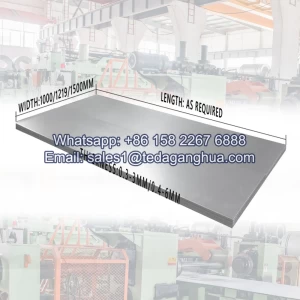
3. Common Width and Length Specifications
Thick stainless steel sheets are typically supplied in standard plate dimensions.
| Width | Common Length |
|---|---|
| 1000 mm | 2000 mm |
| 1219 mm | 2438 mm |
| 1500 mm | 3000 mm |
| 1800 mm | 6000 mm |
| 2000 mm | 6000 mm |
Custom cutting and processing sizes are also common in industrial applications.
4. Hot Rolled vs Cold Rolled Thickness Range
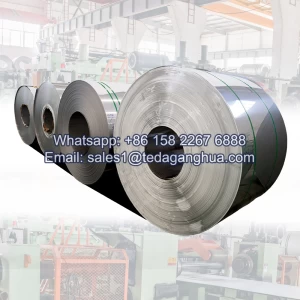
Cold Rolled Stainless Steel
- Usually produced from 0.3 mm to 6 mm
- Better surface finish and dimensional accuracy
- Common surface finishes: 2B, BA, brushed
Hot Rolled Stainless Steel
- Commonly produced above 3 mm thickness
- Suitable for heavy plates and structural applications
- Typical surface finish: No.1 finish
Thicker stainless steel plates are generally manufactured using hot rolling processes.
5. Common Stainless Steel Grades for Thick Plates
| Grade | Main Characteristics |
|---|---|
| 304 | General corrosion resistance |
| 304L | Better weldability |
| 316 | Improved chloride resistance |
| 316L | Low carbon, chemical applications |
| 310S | High-temperature resistance |
| 2205 Duplex | High strength and corrosion resistance |
6. Industrial Applications of Thick Stainless Steel Plates
Thick stainless steel sheets are widely used in:
- Pressure vessels
- Chemical storage tanks
- Shipbuilding structures
- Offshore platforms
- Heavy machinery manufacturing
- Heat exchangers
- Industrial pipelines
- Structural engineering systems
7. Processing Characteristics of Thick Stainless Steel
As thickness increases, processing difficulty also increases.
Common processing methods:
- Plasma cutting
- Waterjet cutting
- CNC machining
- Heavy plate welding
- Rolling and forming
Key considerations:
- Higher welding heat input required
- Stronger forming equipment needed
- Slower machining speed
- Stress control during fabrication