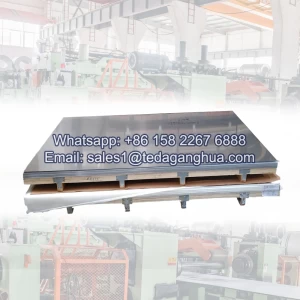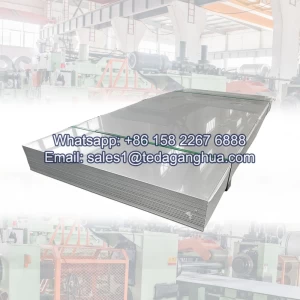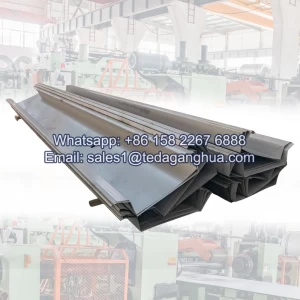
Stainless Steel Sheet Metal Finishes

Stainless steel sheet metal finishes are divided into hot rolled and cold rolled categories, each serving different industrial needs:
- Hot rolled finishes (No.1, HRAP) are ideal for heavy-duty structural applications
- Cold rolled finishes (2B, BA, 2D, polished) are used for precision, decorative, and hygienic applications
Selecting the correct finish is essential for balancing cost, performance, and appearance requirements.
- Description
Stainless steel sheet metal finishes refer to the surface condition created during manufacturing and processing. The finish directly affects:
- Appearance
- Corrosion resistance
- Cleanability
- Fabrication performance
- Application suitability
In industrial production, stainless steel sheet finishes are mainly divided into:
- Hot rolled surface finishes
- Cold rolled surface finishes
Hot Rolled Stainless Steel Sheet Surface Finishes
Hot rolled stainless steel is processed at high temperature, which results in a more industrial and raw surface condition.
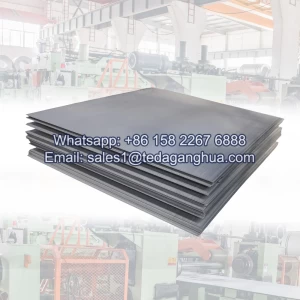
1. No.1 Finish (Standard Hot Rolled Surface)
This is the most common hot rolled stainless steel finish.
Characteristics:
- Rough, dull gray surface
- Covered with oxide scale
- Produced by hot rolling followed by annealing and pickling
- Lower reflectivity
Performance features:
- Good heat resistance
- Strong mechanical performance
- Suitable for heavy fabrication
Typical applications:
- Industrial equipment
- Chemical tanks
- Structural components
- Heavy machinery
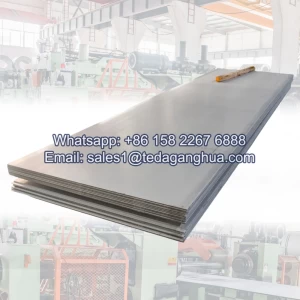
2. Pickled Surface (HRAP – Hot Rolled Annealed and Pickled)
This is an improved hot rolled finish after acid cleaning.
Characteristics:
- Scale removed by pickling process
- Cleaner but still matte surface
- More uniform appearance than No.1
Performance features:
- Better corrosion resistance than raw hot rolled
- Improved weldability and forming performance
Typical applications:
- Pressure vessels
- Structural frames
- Industrial pipelines
Cold Rolled Stainless Steel Sheet Surface Finishes
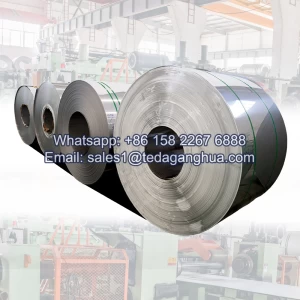
Cold rolled stainless steel undergoes further processing at room temperature, resulting in smoother and more precise surfaces.
1. 2B Finish (Most Common Cold Rolled Finish)
Characteristics:
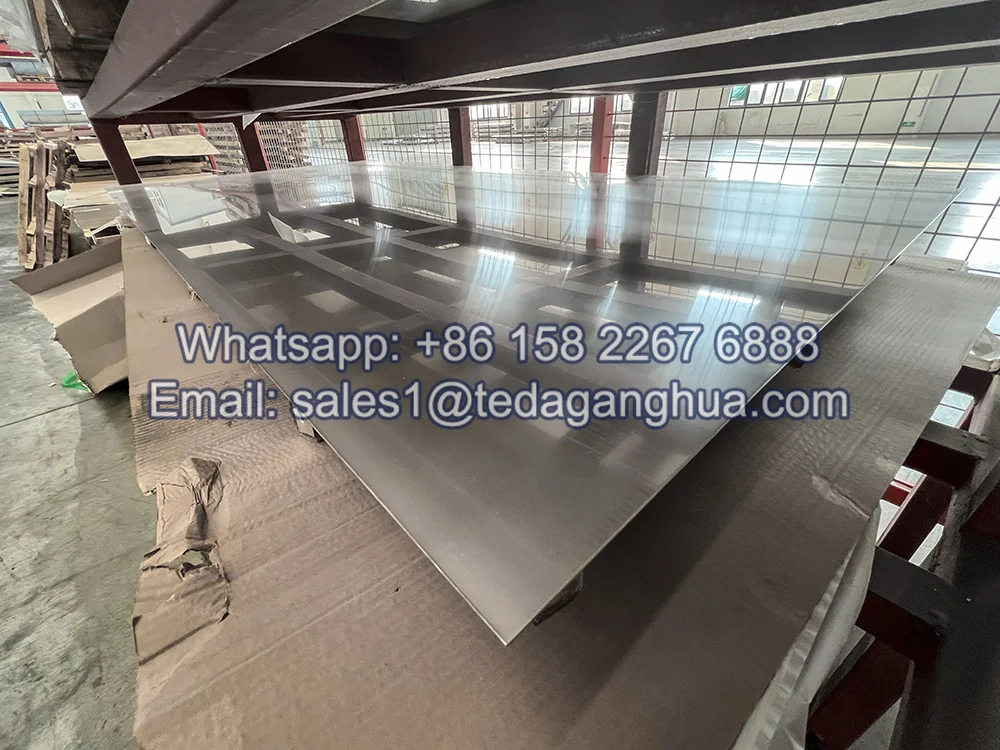
- Smooth, slightly reflective surface
- Produced by cold rolling + annealing + pickling + skin pass
- Uniform industrial appearance
Performance features:
- Good corrosion resistance
- Excellent formability
- Widely used standard finish
Typical applications:
- Kitchen equipment
- Food processing machinery
- Industrial panels
- General fabrication
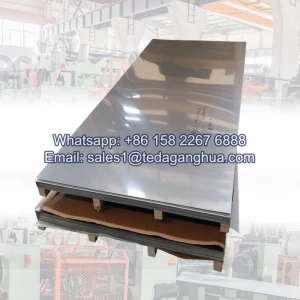
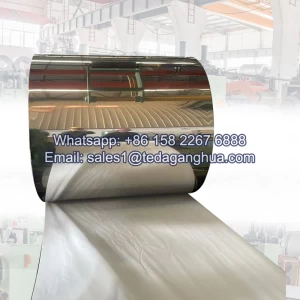
2. BA Finish (Bright Annealed)
Characteristics:
- Highly reflective, mirror-like surface
- Produced in a controlled atmosphere furnace
- No additional polishing required
Performance features:
- Excellent surface smoothness
- High aesthetic value
- Good corrosion resistance
Typical applications:
- Decorative panels
- Elevator interiors
- Appliances
- Architectural design
3. 2D Finish (Dull Cold Rolled Surface)
Characteristics:
- Matte, slightly rough surface
- Less reflective than 2B
- Basic cold rolled finish before skin pass
Performance features:
- Good for further processing
- Suitable for industrial forming
Typical applications:
- Deep drawing parts
- Industrial components
- Structural fabrication
4. Polished / Brushed Finish (Post-Processing)
These finishes are applied after cold rolling.
Common types:
- Hairline (HL brushed)
- Mirror polished (8K finish)
- Satin finish
Performance features:
- Decorative appearance
- Enhanced surface texture
- High visual impact
Typical applications:
- Architectural decoration
- Interior design
- Luxury equipment panels
Hot Rolled vs Cold Rolled Surface Comparison
| Feature | Hot Rolled Finish | Cold Rolled Finish |
|---|---|---|
| Surface appearance | Rough, matte | Smooth, clean |
| Oxide scale | Present (No.1) | Removed |
| Reflectivity | Low | Medium to high |
| Dimensional precision | Lower | Higher |
| Main usage | Structural & heavy industry | Precision & decorative use |
Why Surface Finish Matters
The surface finish directly affects:
- Corrosion resistance performance
- Welding and forming behavior
- Cleaning and hygiene requirements
- Final product appearance
- Processing cost efficiency