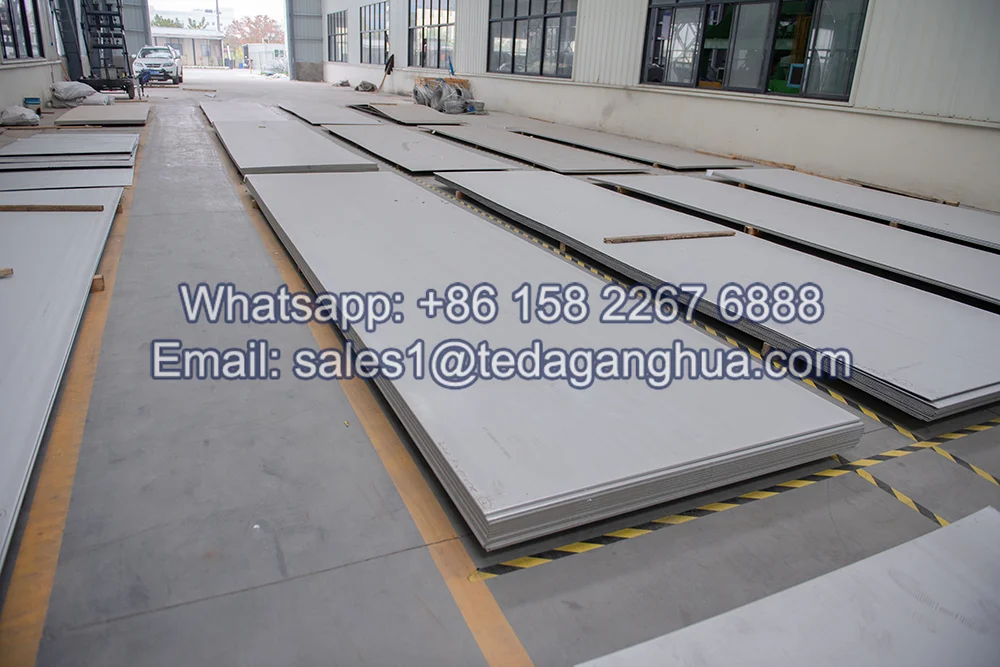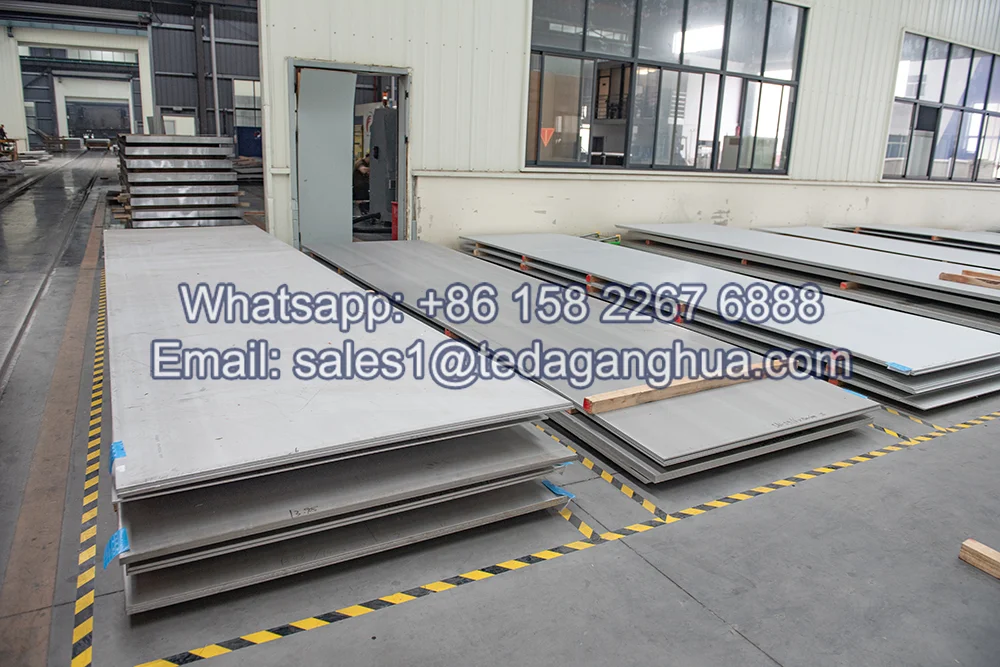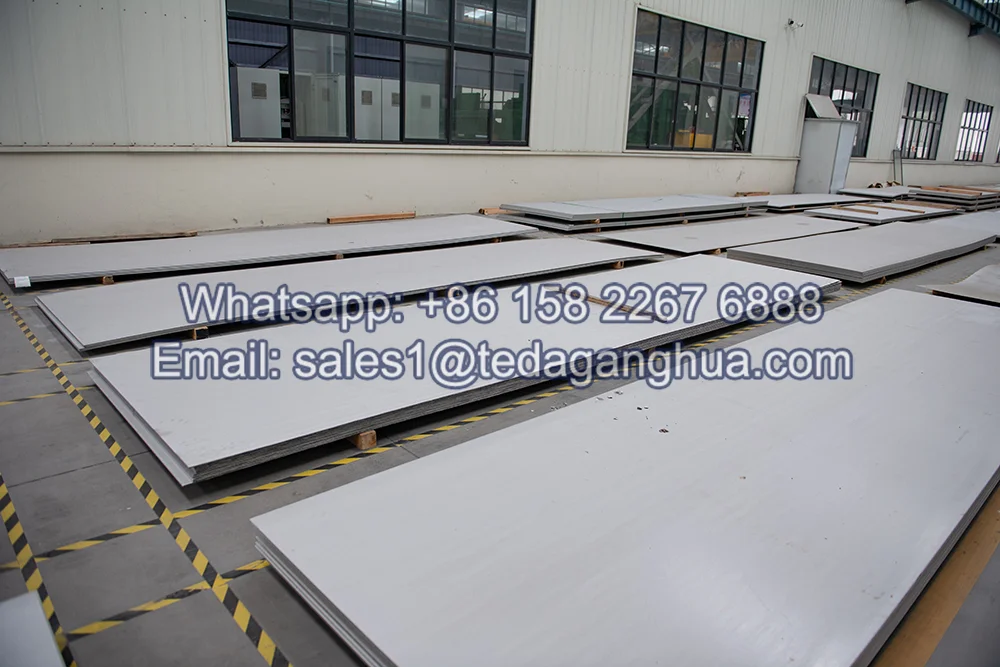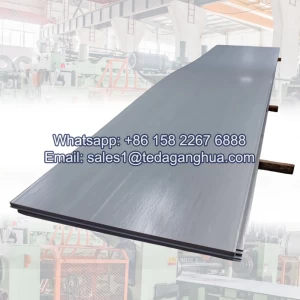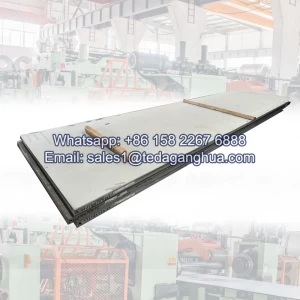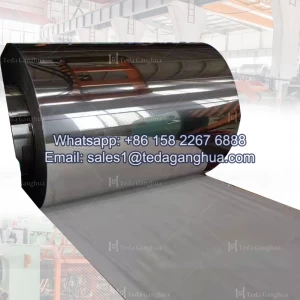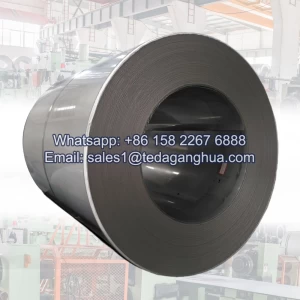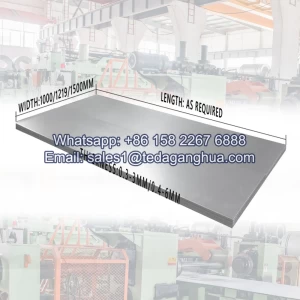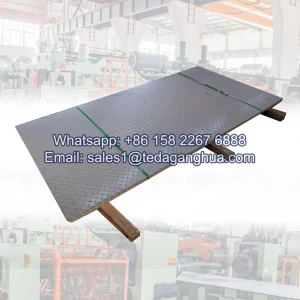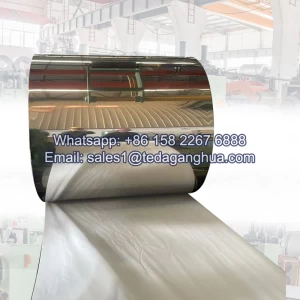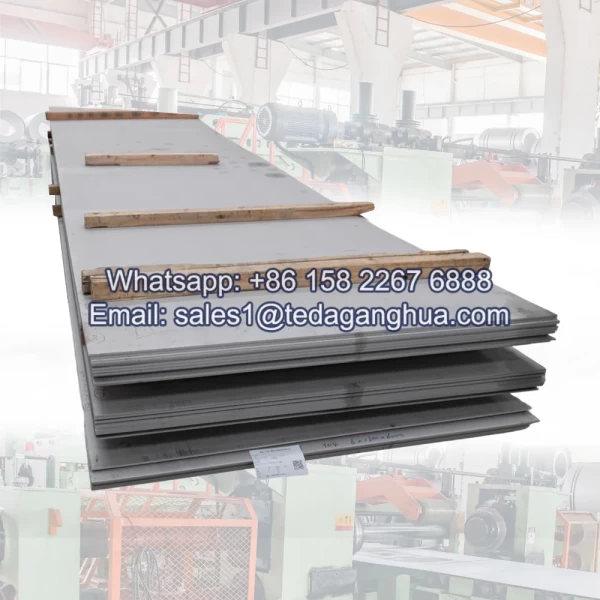

Stainless Steel Plate 3mm Thick

The thickness of stainless steel plates is closely related to the rolling process. Hot rolling naturally produces thicker materials due to its high-temperature deformation capability and efficiency, while cold rolling is limited to thinner, precision sheets due to work hardening and equipment constraints.
- Description
A 3mm stainless steel plate is typically classified within the thin-to-medium plate range and is most commonly produced by hot rolling, followed by optional annealing and surface finishing. Understanding why this thickness is usually hot rolled—and why hot rolled plates are thicker than cold rolled sheets—requires looking at the manufacturing process.
Typical Hot Rolled Stainless Steel Thickness Range
Hot rolled stainless steel plates cover a much wider thickness range compared to cold rolled products.
Standard Thickness Classification
| Product Type | Thickness Range | Typical Process |
|---|---|---|
| Cold Rolled Sheet | 0.3 mm – 3.0 mm | Cold rolling |
| Hot Rolled Thin Plate | 3.0 mm – 6.0 mm | Hot rolling + annealing |
| Hot Rolled Medium Plate | 6.0 mm – 25 mm | Hot rolling |
| Hot Rolled Heavy Plate | 25 mm – 100+ mm | Hot rolling |
3 mm thickness sits at the transition point:
- Can be produced by cold rolling (high precision, higher cost)
- More commonly produced by hot rolling (better efficiency)
Hot Rolling Process of Stainless Steel Plate
Hot rolling is performed at high temperatures, typically above 1000°C, where the steel is in a softened state.
Process Steps
- Heating stainless steel slabs to rolling temperature
- Passing through multiple rolling stands
- Thickness reduction under high الضغط
- Controlled cooling after rolling
- Optional annealing and pickling
Why Hot Rolled Stainless Steel Is Thicker Than Cold Rolled
1. Deformation Capability at High Temperature
At elevated temperatures:
- Stainless steel becomes softer
- Large thickness reductions are possible in fewer passes
This allows production of thicker plates efficiently, which is not feasible in cold rolling.
2. Rolling Equipment Limitations
Cold rolling mills are designed for:
- Precision
- Thin gauge control
They are not suitable for:
- Large ضخامة thickness reduction
- Heavy load processing
As a result:
- Cold rolling is typically limited to thinner gauges (≤3 mm)
- Hot rolling handles thicker sections
3. Work Hardening Effect in Cold Rolling
Cold rolling introduces:
- High internal stress
- Increased hardness
- Reduced ductility
If thickness is too large:
- Material becomes too hard to deform
- Cracking risk increases
Therefore, cold rolling is not efficient for thick plates.
4. Efficiency and Production Cost
Hot rolling advantages for thicker plates:
- Fewer rolling passes
- Lower energy consumption per ton
- Higher production efficiency
This makes hot rolling the preferred method for 3 mm and above thickness.
Surface and Tolerance Differences
| Feature | Hot Rolled Plate (3mm) | Cold Rolled Sheet (3mm) |
|---|---|---|
| Surface Finish | Rough (No.1) | Smooth (2B / BA) |
| Thickness Tolerance | Moderate | High precision |
| Internal Stress | Lower after annealing | Higher before annealing |
| Flatness | Moderate | Excellent |
Why 3mm Plate Is Often Hot Rolled
- Located at the upper limit of cold rolling capability
- More economical to produce via hot rolling
- Suitable for structural and industrial applications
- Does not always require ultra-smooth surface
Application Considerations
3mm stainless steel plate is commonly used in:
- Structural fabrication
- Industrial equipment
- Tanks and containers
- General engineering components
When higher surface quality or precision is required, cold rolled 3mm sheet may still be selected.