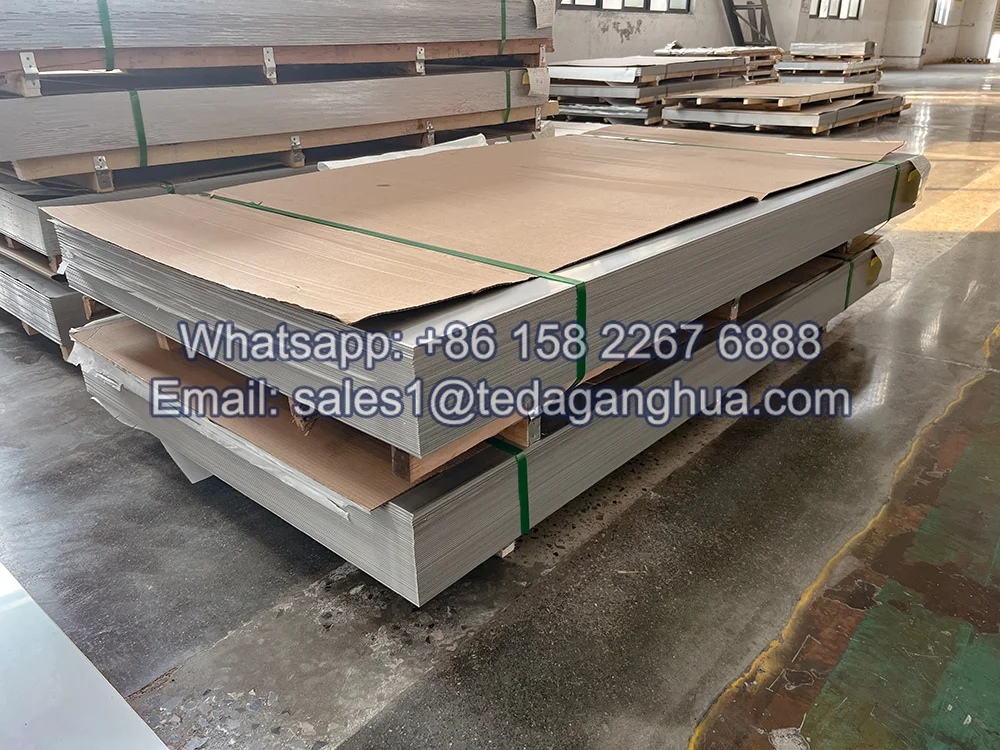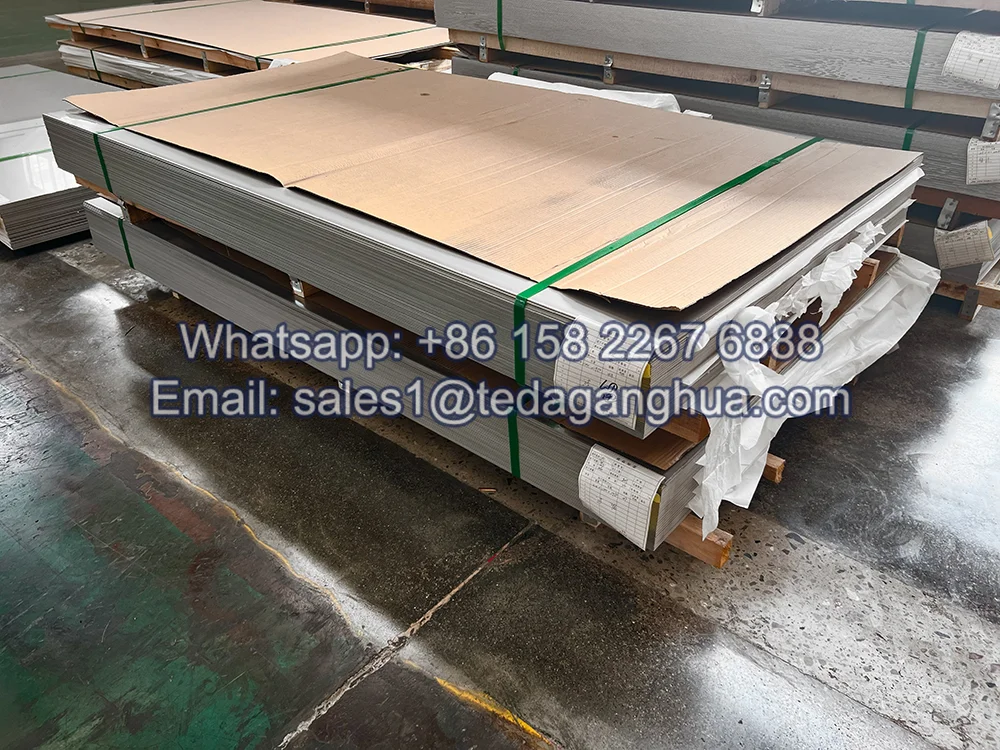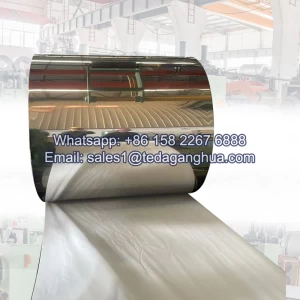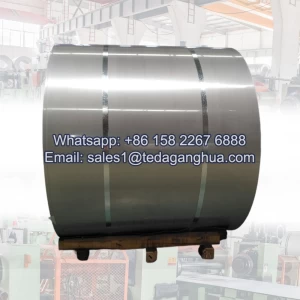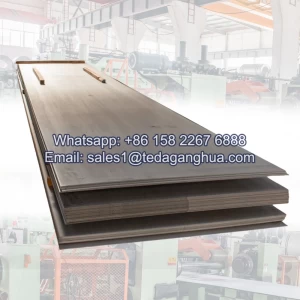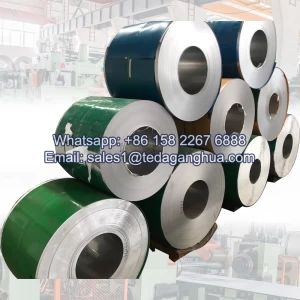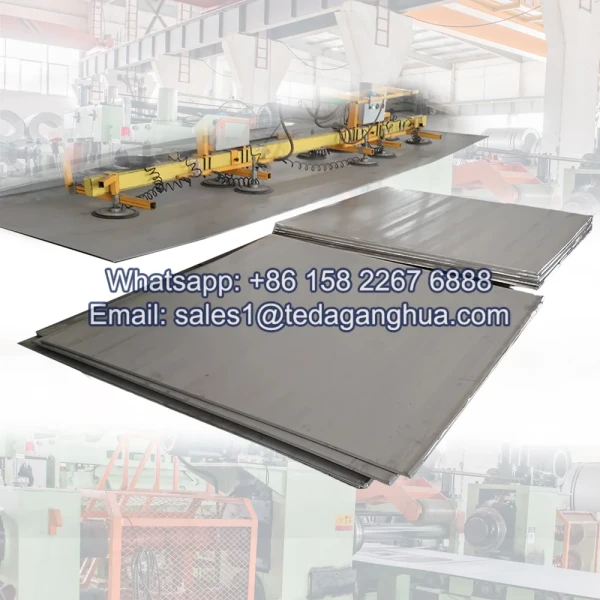

- Description
Hot Rolled Steel Plates vs Stainless Steel Plates: Process Differences, Cost Comparison & Material Selection Guide
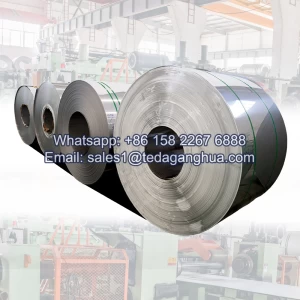
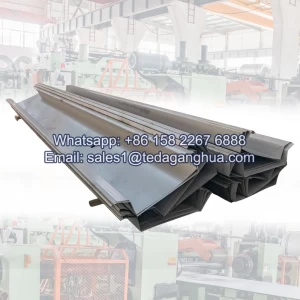
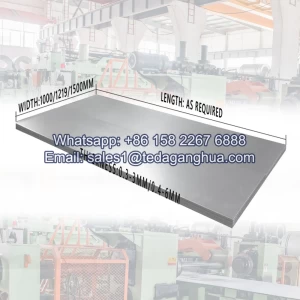
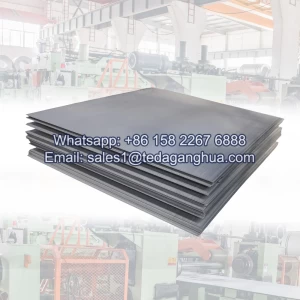
Hot rolled steel plates are one of the most common forms of carbon steel products, produced through high-temperature rolling processes. They are widely used in structural engineering, heavy machinery, construction, and general fabrication.
When selecting materials for industrial projects, engineers often compare hot rolled steel plates vs stainless steel plates to balance cost, corrosion resistance, and mechanical performance.
1. What Are Hot Rolled Steel Plates?
| Feature | Description |
|---|---|
| Material type | Carbon steel (low to medium carbon content) |
| Production process | Rolled at high temperature (>900°C) |
| Surface | Rough, scaled finish |
| Main advantage | Low cost, high structural strength |
2. Hot Rolled Steel vs Stainless Steel: Key Differences
| Property | Hot Rolled Steel Plate | Stainless Steel Plate |
|---|---|---|
| Corrosion resistance | Low (requires coating) | High (self-protecting oxide layer) |
| Cost | Low | Higher |
| Strength | High structural strength | Good, depending on grade |
| Surface finish | Rough, industrial | Smooth, decorative options available |
3. Manufacturing Process Difference
- Hot rolled steel: processed above recrystallization temperature, easier forming, lower precision
- Stainless steel: cold rolled or hot rolled with controlled alloy composition for corrosion resistance
Hot rolling prioritizes cost and formability, while stainless steel prioritizes durability and corrosion resistance.
4. Application Comparison
| Industry | Hot Rolled Steel Use | Stainless Steel Use |
|---|---|---|
| Construction | Beams, structural frames | Facade panels, decorative structures |
| Machinery | Base plates, heavy supports | Precision parts, corrosion-resistant components |
| Marine | Limited (requires coating) | Widely used (high corrosion resistance) |
| Chemical industry | Not recommended | Standard choice |
5. How to Choose Between the Two?
- Choose hot rolled steel plates when cost and structural strength are the main priorities
- Choose stainless steel plates when corrosion resistance and service life are critical
- For outdoor or marine environments, stainless steel is strongly recommended
- For indoor structural frameworks, hot rolled steel is often more economical
6. Cost and Lifecycle Consideration
Although hot rolled steel is cheaper initially, stainless steel often provides lower lifecycle cost due to reduced maintenance, coating requirements, and replacement frequency.
| Cost Factor | Hot Rolled Steel | Stainless Steel |
|---|---|---|
| Initial cost | Low | High |
| Maintenance cost | High (painting/coating needed) | Low |
| Service life | Shorter | Longer |
7. Teda Ganghua Stainless Steel Supply Capability
At Teda Ganghua, we supply high-quality stainless steel plates with stable performance for construction, machinery, and industrial applications. Our materials are widely used as an alternative to hot rolled carbon steel in corrosive or high-demand environments.
We also provide cutting, processing, and customized fabrication services to support engineering and procurement needs.
Explore our stainless steel products here:
Stainless Steel Plate Products
Conclusion
Hot rolled steel plates are cost-effective structural materials, while stainless steel plates provide superior corrosion resistance and long-term durability. The right choice depends on balancing upfront cost with lifecycle performance requirements.