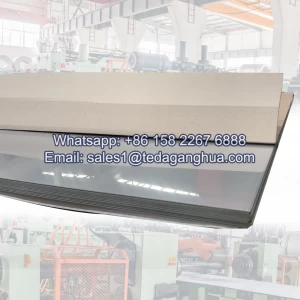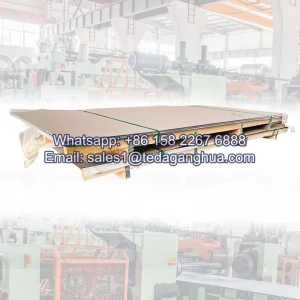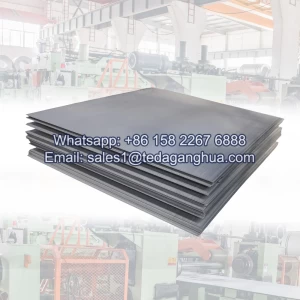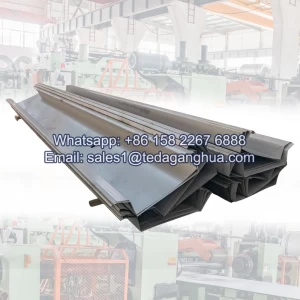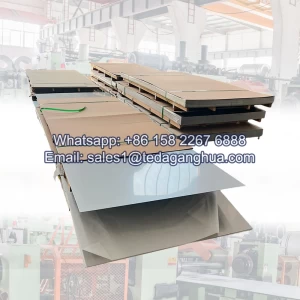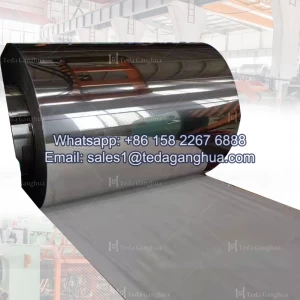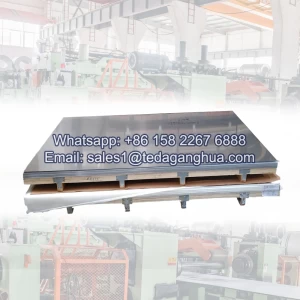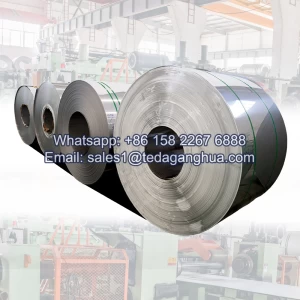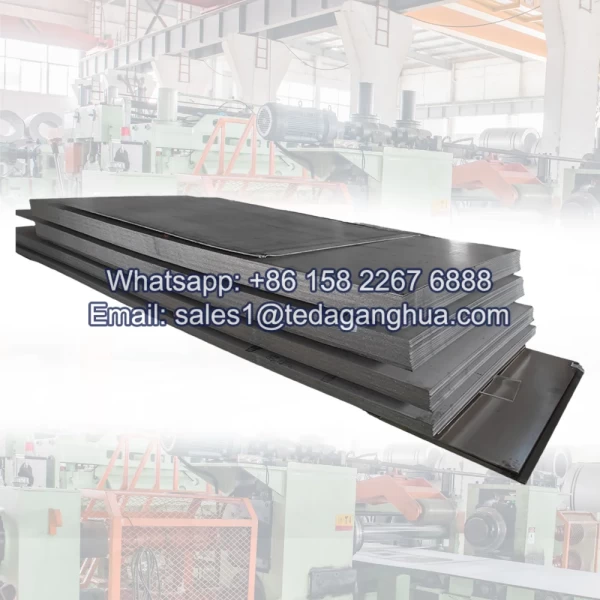
416 Stainless Sheet
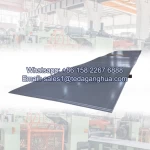
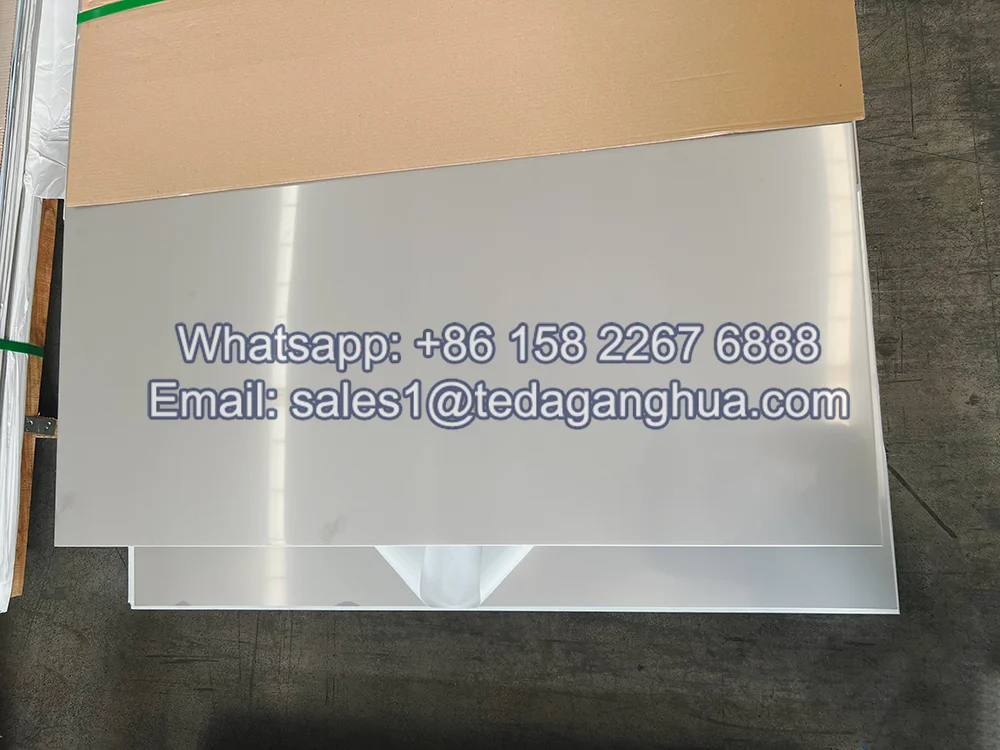
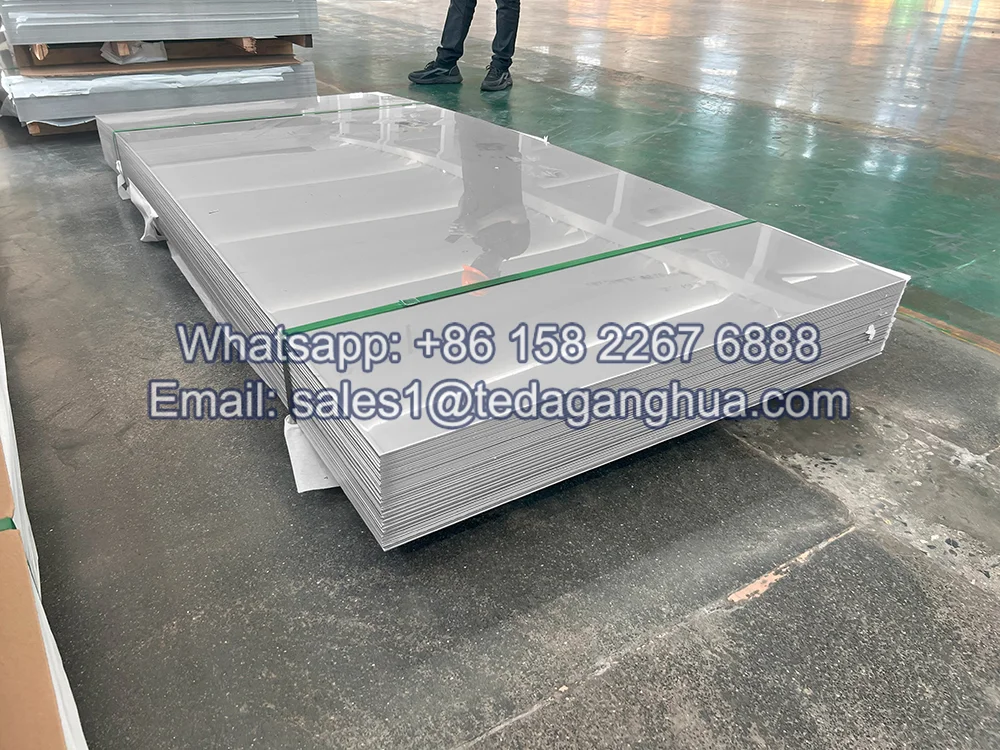
416 stainless steel sheet is a free-machining martensitic stainless steel optimized for high-speed machining and precision parts production.
Its high sulfur content improves machinability but reduces corrosion resistance and weldability. Compared to austenitic grades like 304, it is better suited for mechanical components rather than corrosive environments.
- Description
416 stainless steel sheet is a martensitic stainless steel designed for excellent machinability. It is a free-machining grade derived from 410 stainless steel, with the addition of sulfur to improve cutting performance.
It combines moderate corrosion resistance with high machinability, making it widely used for precision-machined components.
Chemical Composition of 416 Stainless Steel
Typical Composition Range
| Element | Content (%) |
|---|---|
| Chromium (Cr) | 12.0 – 14.0 |
| Carbon (C) | 0.08 – 0.15 |
| Sulfur (S) | 0.15 – 0.35 |
| Manganese (Mn) | ≤ 1.25 |
| Silicon (Si) | ≤ 1.0 |
| Phosphorus (P) | ≤ 0.06 |
Key Composition Features
- Chromium (12–14%) provides basic corrosion resistance
- Higher sulfur content significantly improves machinability
- Carbon content allows heat treatment for increased hardness
Mechanical Properties of 416 Stainless Steel Sheet
| Property | Typical Value |
|---|---|
| Tensile Strength | 500 – 750 MPa |
| Yield Strength | ≥ 275 MPa |
| Hardness (Annealed) | ~200 HB |
| Hardness (Hardened) | Up to 35–40 HRC |
Performance Characteristics
- Can be heat treated to achieve higher strength and hardness
- Moderate strength compared to other martensitic grades
- Lower ductility than austenitic stainless steels
- Good dimensional stability during machining
Key Advantages of 416 Stainless Steel
1. Excellent Machinability
- One of the best machining grades among stainless steels
- Sulfur inclusions act as chip breakers
- Ideal for high-speed machining and mass production
2. Heat Treatable
- Can be hardened through quenching and tempering
- Suitable for applications requiring wear resistance
3. Magnetic Properties
- Magnetic in all conditions (martensitic structure)
Corrosion Resistance
416 stainless steel offers moderate corrosion resistance, but it is lower than 304 or 316.
Performance Overview
- Good resistance in dry and mild environments
- Limited resistance to:
- Moisture and humidity
- Acidic or chloride environments
- Sulfur addition reduces corrosion resistance
Recommendation:
Best used in machined parts where corrosion exposure is limited.
Fabrication and Processing
Machining
- Excellent machinability (rated up to 85% of free-cutting carbon steel)
- Produces clean, short chips
- Reduces tool wear and increases efficiency
Welding
- Poor weldability due to high sulfur content
- Preheating and post-weld heat treatment required if welding is necessary
Forming
- Limited formability compared to austenitic grades
- Not suitable for deep drawing or complex forming
Common Applications of 416 Stainless Steel Sheet
Precision Machined Components
- Shafts and gears
- Valves and pump parts
- Fasteners and bolts
- Bushings and fittings
Industrial Equipment
- Automatic screw machine parts
- Motor components
- Instrument parts
Automotive and Mechanical Use
- Engine components
- Transmission parts
- High-speed machined parts
416 vs Other Stainless Steel Grades
| Property | 416 | 410 | 304 |
|---|---|---|---|
| Machinability | Excellent | Moderate | Poor |
| Corrosion Resistance | Moderate | Moderate | Excellent |
| Heat Treatment | Yes | Yes | No |
| Weldability | Poor | Better than 416 | Excellent |
| Application Focus | Machining | General purpose | Corrosion resistance |