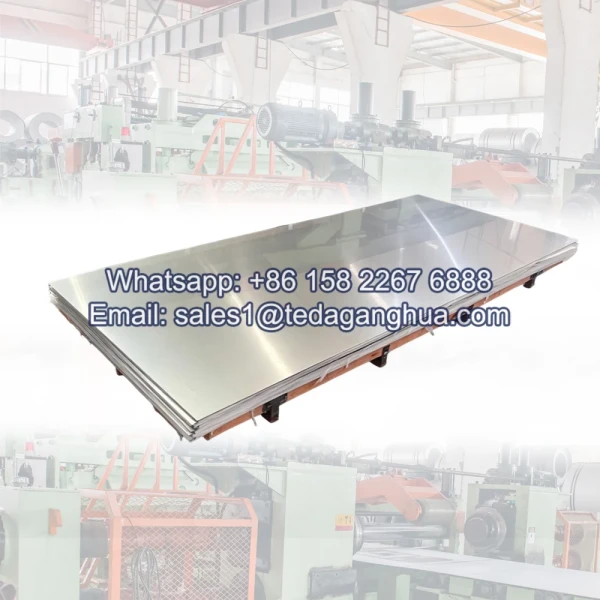
- Description
316 Stainless Steel Plate Beginner Guide: Grade Meaning, Performance & Selection Tips
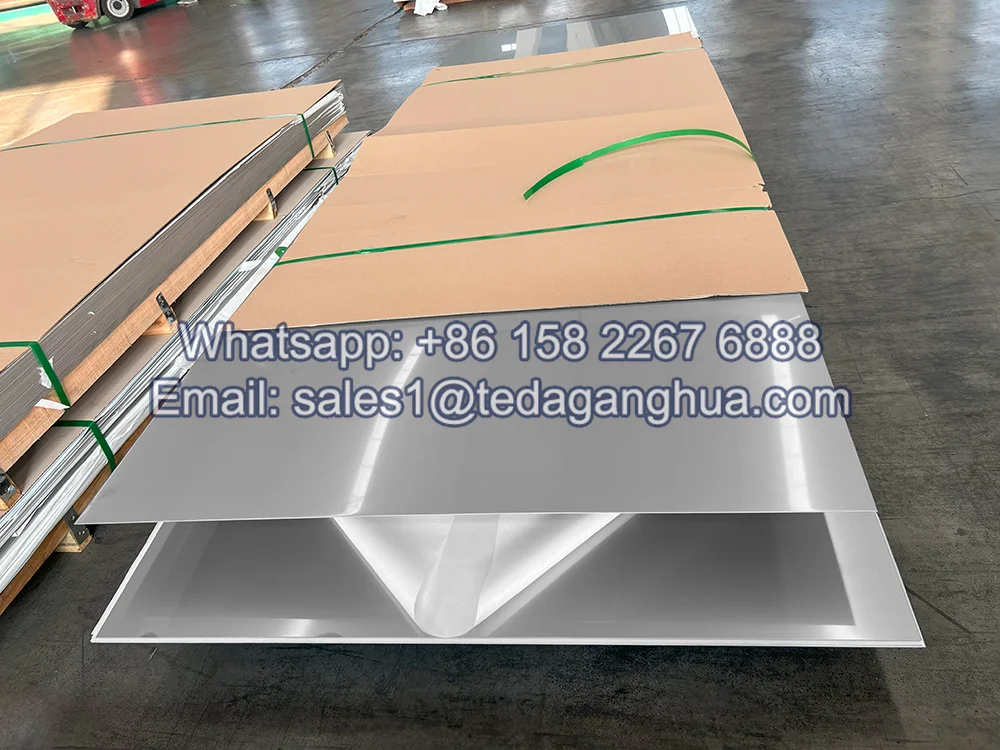
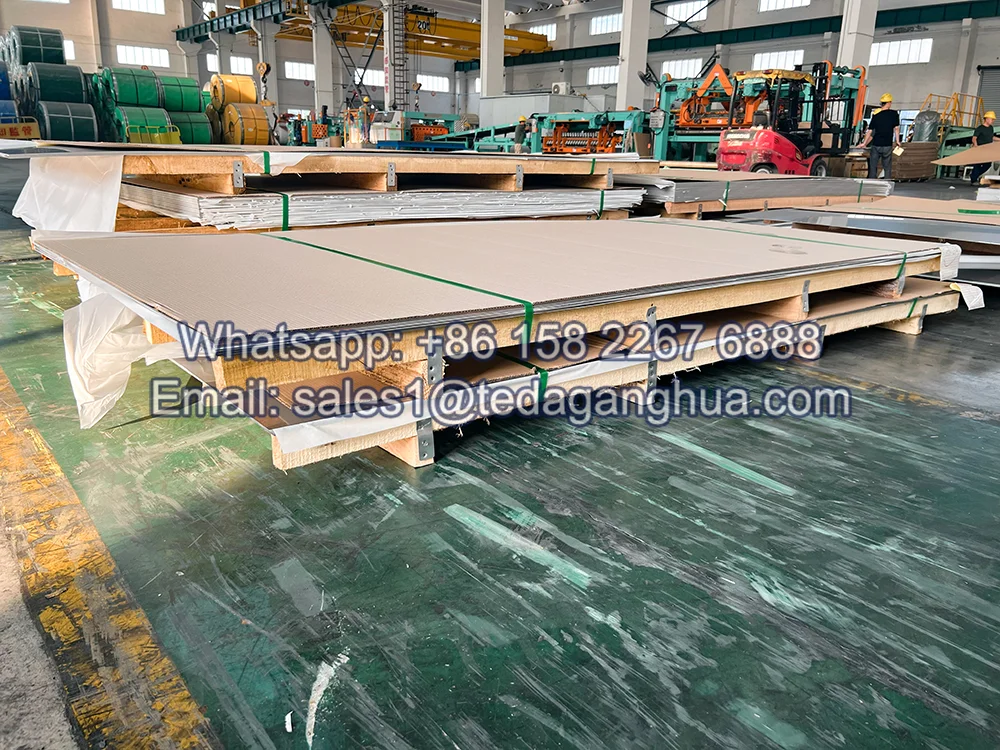
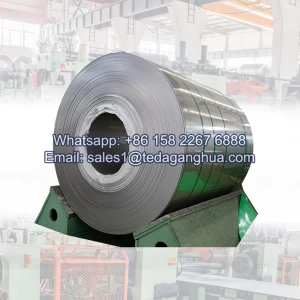
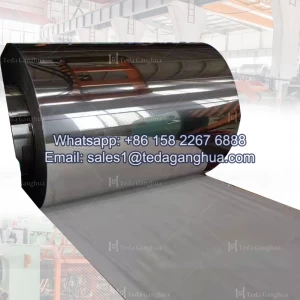
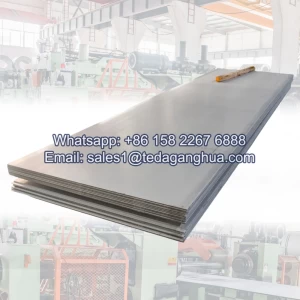
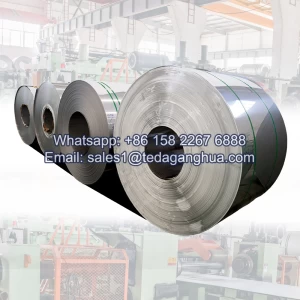
316 stainless steel plate is one of the most commonly used austenitic stainless steels in industrial and commercial applications. For beginners, understanding its basic properties, grade meaning, and selection logic is essential before making purchasing decisions.
Compared with 304 stainless steel, 316 offers improved corrosion resistance due to the addition of molybdenum, making it more suitable for marine, chemical, and high-moisture environments.
1. What Does “316 Stainless Steel” Mean?
| Element | Function in Alloy |
|---|---|
| Chromium (Cr) | Provides basic corrosion resistance |
| Nickel (Ni) | Improves toughness and stability |
| Molybdenum (Mo) | Enhances resistance to chlorides and seawater |
The combination of these elements gives 316 stainless steel its strong performance in harsh environments.
2. Key Performance Parameters of 316 Stainless Steel Plate
- Excellent corrosion resistance in chloride environments
- Good mechanical strength and ductility
- Stable performance in high humidity and salt exposure
- Good weldability and fabrication characteristics
| Property | Typical Level |
|---|---|
| Tensile strength | High |
| Corrosion resistance | Very high (especially with Mo) |
| Weldability | Good |
| Formability | Good |
3. 316 Stainless Steel vs Other Grades
| Grade | Main Difference | Best Use Case |
|---|---|---|
| 304 | General-purpose corrosion resistance | Indoor structures, food equipment |
| 316 | Better chloride resistance | Marine and chemical environments |
| 316L | Lower carbon for welding stability | Welded and high-corrosion systems |
Among these, 316 is often selected when standard stainless steel is not sufficient for environmental protection.
4. Typical Applications of 316 Stainless Steel Plate
- Marine equipment and ship structures
- Chemical storage tanks and pipelines
- Food processing machinery
- Pharmaceutical equipment
- Architectural outdoor components
5. How to Choose the Right 316 Stainless Steel Plate
- Confirm environment (marine, chemical, indoor, etc.)
- Select correct thickness for load requirements
- Choose surface finish (2B, BA, No.4, etc.)
- Check certification (MTC, ASTM compliance)
- Evaluate supplier processing capability
6. Teda Ganghua Stainless Steel Supply Capability
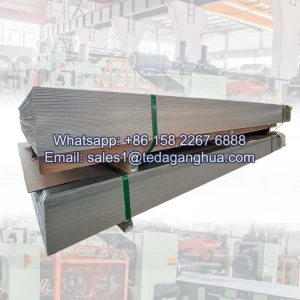
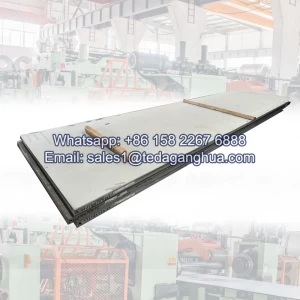
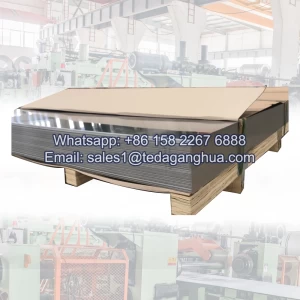
At Teda Ganghua, we supply high-quality 316 stainless steel plates with stable composition, consistent thickness, and reliable surface finishing. Our materials are widely used in marine, chemical, and industrial applications worldwide.
We also provide cutting, surface processing, and custom fabrication services to support both beginners and industrial buyers in selecting the right stainless steel solutions.
Explore our stainless steel products here:
Stainless Steel Plate Products
Conclusion
316 stainless steel plate is an essential material for corrosion-resistant applications. By understanding its composition, performance, and selection principles, beginners can make more confident and cost-effective purchasing decisions.