How to Address Stair Tread Issues
How to Address Stair Tread Issues
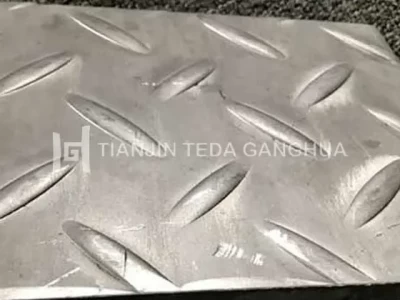
Using Patterned Plate for Stair Treads
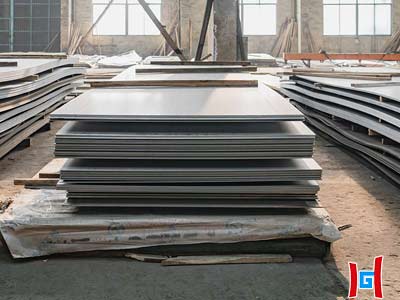
They are widely used in transportation, construction, decoration, machinery, shipbuilding, and equipment base plates. Since users typically don’t have strict requirements for the mechanical properties of these plates, their quality is primarily determined by factors such as pattern formation rate, pattern height, and consistency. The most common plate thicknesses range from 2.0mm to 8.0mm, with standard widths of 1250mm and 1500mm.
Resolving Stair Tread Problems
To ensure stable and durable stair treads, focus on securely welding and fixing the wooden boards. The thickness of the wooden boards should also be appropriate. Anti-skid steel plates are commonly used as the base support for wooden steps, with triangular supports welded underneath for added stability.
If the angle iron supports more than 70% of the wooden step’s area, shaking will not be an issue. For added stability, triangular supports can be welded underneath the angle iron. These supports only need to cover 50% of the length of the angle iron to provide sufficient reinforcement.
Teda Ganghua Metal -18 years
Provide high-quality stainless steel products
Bring detailed specifications to contact me if you need
We have high quality and reasonable prices