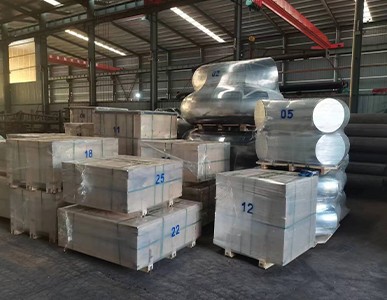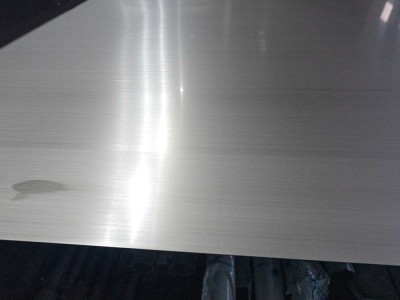
Tại sao các sản phẩm bằng thép không gỉ tăng nhu cầu?
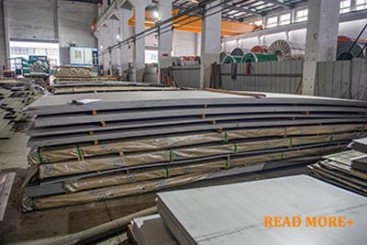
Advantages and Disadvantages of Stainless Steel
Stainless steel is widely used due to its durability, chống ăn mòn, and versatility. Tuy nhiên, it may sometimes rust under extreme conditions. Mặc dù vậy, stainless steel remains a preferred material for industries worldwide, including those working with tấm kim loại thép không gỉ Và tấm thép không gỉ.
Does Stainless Steel Rust?
Trong khi stainless steel sheets supplier companies emphasize its corrosion resistance, stainless steel can rust under specific conditions, such as exposure to chloride-rich environments. Proper maintenance helps prevent this issue, ensuring a longer lifespan for tấm thép không gỉ and other products.
Is Stainless Steel Toxic?
Concerns about stainless steel toxicity often arise due to high manganese content in some variants. Tuy nhiên, high-quality stainless steel suppliers ensure safe and food-grade stainless steel for applications like kitchenware and water pipes.
The Concept, Birth, and Classification of Stainless Steel
What Is Stainless Steel?
Stainless steel is a versatile material used across industries. High-end Nhà máy thép không gỉ Trung Quốc các sản phẩm, bao gồm tấm thép không gỉ and pipes, offer antibacterial properties and durability, making them ideal for construction and household applications.
How Was Stainless Steel Invented?
During World War I, British scientist Henry Brearley developed stainless steel to create durable gun barrels. This innovation led to mass production and widespread applications in modern industries.
Classification of Stainless Steel
Stainless steel is categorized based on its composition and structure:
- Martensitic Steel
- Ferritic Steel
- Austenitic Steel
- Thép không gỉ song công
- Precipitation-Hardening Stainless Steel
Ngoài ra, industry standards classify tấm kim loại thép không gỉ based on chromium and nickel content, affecting its properties and uses.
Why Is 304 Stainless Steel Used for Water Pipes?
Đặc điểm của 304 thép không gỉ
Widely used by Nhà máy thép không gỉ Trung Quốc manufacturers, 304 stainless steel is known for:
- Khả năng chống ăn mòn cao
- Excellent heat resistance (up to 800°C)
- Strong mechanical properties
- Ease of processing and welding
Điều này làm cho 304 stainless steel a common choice for stainless steel suppliers producing materials for food processing, thuộc về y học, and construction industries.
Benefits of Stainless Steel Water Pipes
- Safe and Hygienic – Smooth inner walls prevent contamination.
- Scale Resistance – Minimal build-up ensures clean water flow.
- High Durability – Withstands extreme temperatures and high pressure.
- Nhẹ – Thinner and lighter compared to other piping materials.
- Hiệu quả về chi phí – More affordable than copper with a longer lifespan.
- Low Conductivity – Ideal for water supply due to heat retention.
- Easy Installation – No welding required, reducing environmental impact.
Common Questions About Stainless Steel
Why Does Stainless Steel Rust?
Mặc dù tấm kim loại thép không gỉ is highly resistant to rust, it can corrode under extreme conditions such as high chloride exposure. Regular cleaning and maintenance prevent this.
Is Stainless Steel Safe for Everyday Use?
Thép không gỉ, especially food-grade 304, is widely used in kitchenware, medical instruments, và ứng dụng công nghiệp. High-quality stainless steel suppliers ensure that their products meet safety standards.
How to Maintain Stainless Steel Products?
- Avoid storing acidic or salty foods in stainless steel containers for long periods.
- Do not use stainless steel for boiling Chinese medicine, as it may react with certain compounds.
- Regular cleaning and ventilation help maintain the integrity of stainless steel products.
By choosing high-quality materials from a reliable stainless steel sheets supplier, businesses and consumers can enjoy the long-term benefits of stainless steel products.