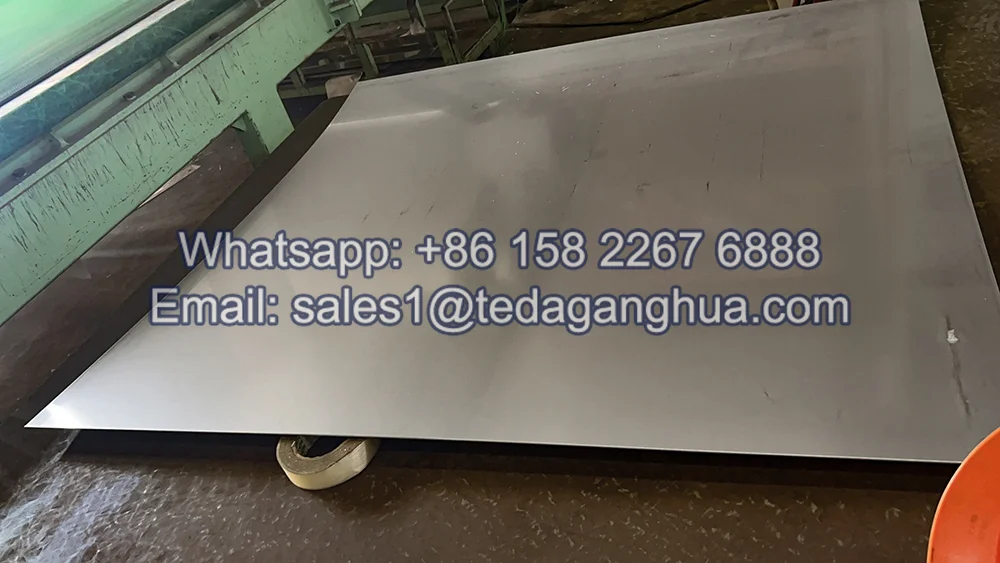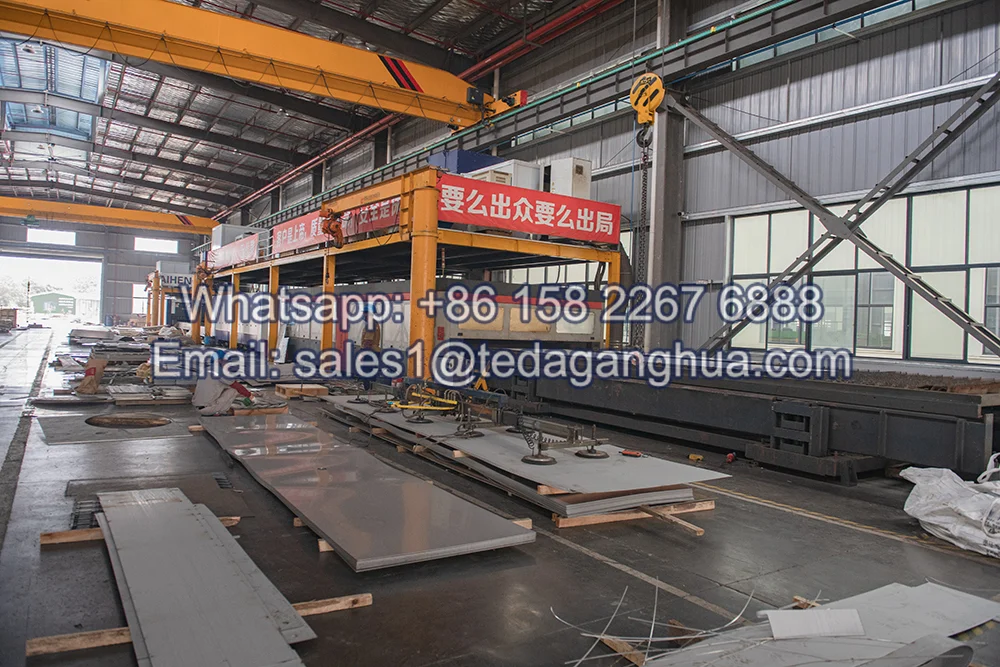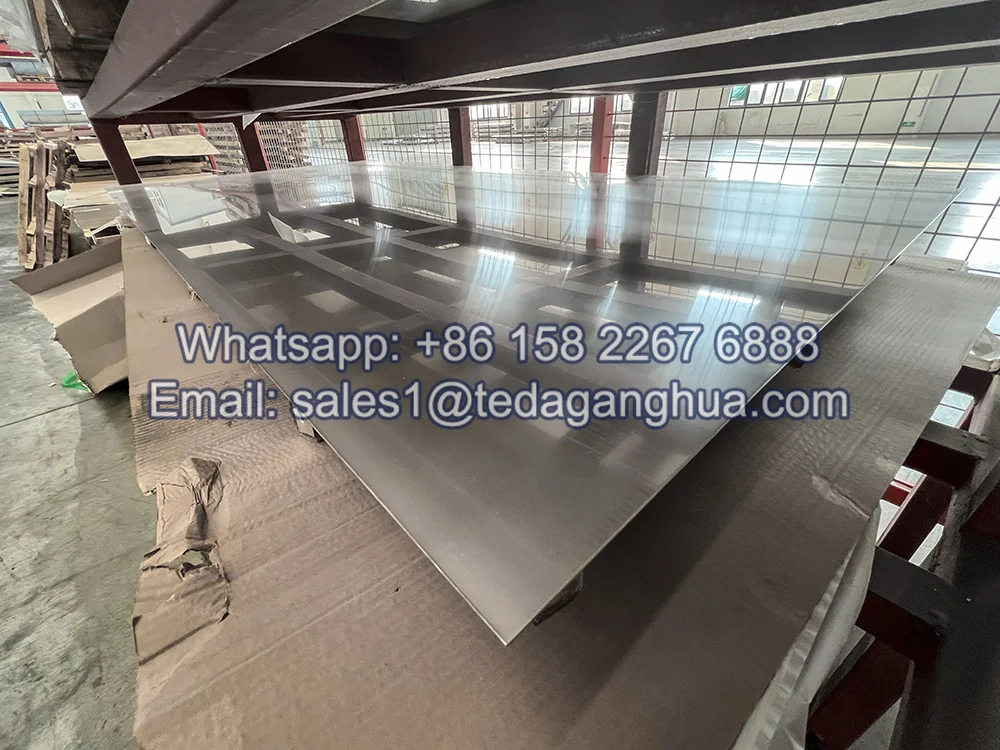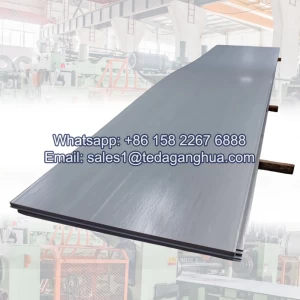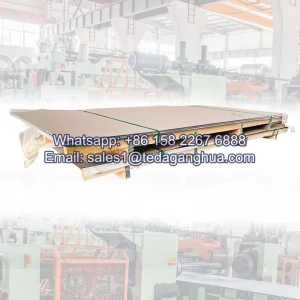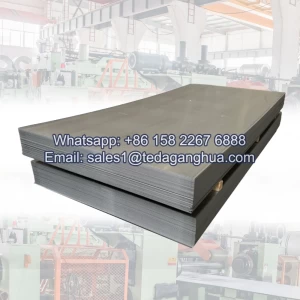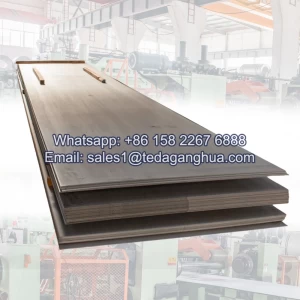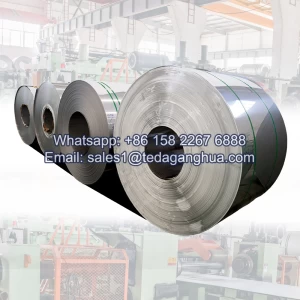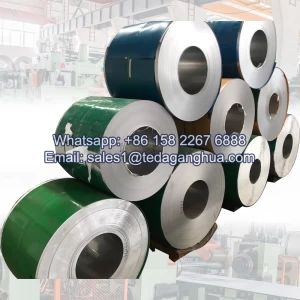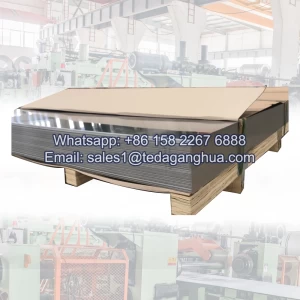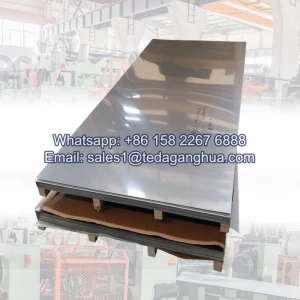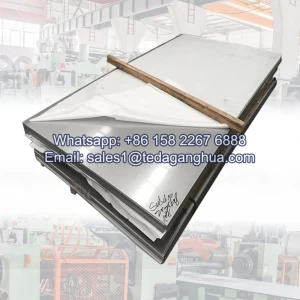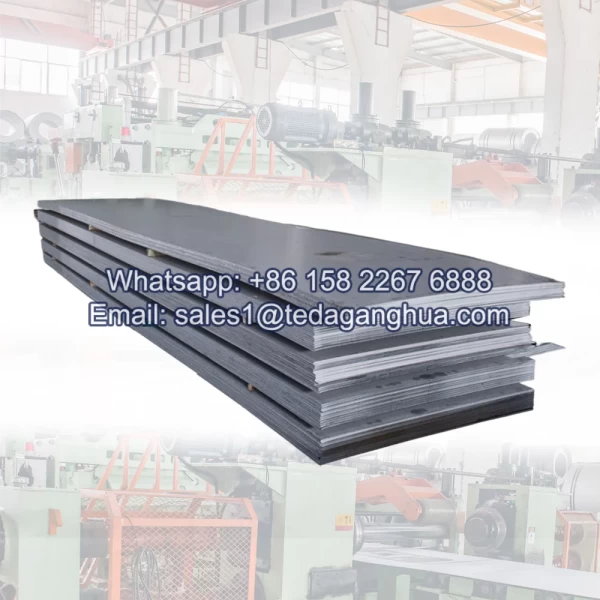
Hoàn thiện kim loại tấm thép không gỉ

Stainless steel sheet metal finishes are divided into hot rolled and cold rolled categories, each serving different industrial needs:
- Hot rolled finishes (số 1, HRAP) are ideal for heavy-duty structural applications
- Cold rolled finishes (2B, cử nhân, 2D, đánh bóng) are used for độ chính xác, trang trí, and hygienic applications
Selecting the correct finish is essential for balancing trị giá, hiệu suất, and appearance requirements.
- Sự miêu tả
Stainless steel sheet metal finishes refer to the surface condition created during manufacturing and processing. The finish directly affects:
- Vẻ bề ngoài
- Chống ăn mòn
- Khả năng làm sạch
- Fabrication performance
- Application suitability
Trong sản xuất công nghiệp, stainless steel sheet finishes are mainly divided into:
- Hot rolled surface finishes
- Cold rolled surface finishes
Hot Rolled Stainless Steel Sheet Surface Finishes
Hot rolled stainless steel is processed at high temperature, which results in a more industrial and raw surface condition.
1. Kết thúc số 1 (Standard Hot Rolled Surface)
This is the most common hot rolled stainless steel finish.
Đặc trưng:
- Thô, dull gray surface
- Covered with oxide scale
- Produced by hot rolling followed by annealing and pickling
- Độ phản xạ thấp hơn
Performance features:
- Chịu nhiệt tốt
- Strong mechanical performance
- Suitable for heavy fabrication
Typical applications:
- Thiết bị công nghiệp
- Bể chứa hóa chất
- Thành phần kết cấu
- Máy móc hạng nặng
2. Pickled Surface (HRAP – Hot Rolled Annealed and Pickled)
This is an improved hot rolled finish after acid cleaning.
Đặc trưng:
- Scale removed by pickling process
- Cleaner but still matte surface
- More uniform appearance than No.1
Performance features:
- Better corrosion resistance than raw hot rolled
- Improved weldability and forming performance
Typical applications:
- Bình chịu áp lực
- Khung kết cấu
- Industrial pipelines
Cold Rolled Stainless Steel Sheet Surface Finishes
Cold rolled stainless steel undergoes further processing at room temperature, resulting in smoother and more precise surfaces.
1. 2B Kết thúc (Most Common Cold Rolled Finish)
Đặc trưng:
- Trơn tru, slightly reflective surface
- Được sản xuất bằng phương pháp cán nguội + ủ + dưa chua + skin pass
- Uniform industrial appearance
Performance features:
- Chống ăn mòn tốt
- Khả năng định hình tuyệt vời
- Widely used standard finish
Typical applications:
- Thiết bị nhà bếp
- Food processing machinery
- Industrial panels
- Chế tạo chung
2. BA Kết thúc (ủ sáng)
Đặc trưng:
- Phản chiếu cao, bề mặt gương
- Produced in a controlled atmosphere furnace
- No additional polishing required
Performance features:
- Excellent surface smoothness
- High aesthetic value
- Chống ăn mòn tốt
Typical applications:
- Tấm trang trí
- Nội thất thang máy
- Thiết bị gia dụng
- Architectural design
3. 2D Kết thúc (Dull Cold Rolled Surface)
Đặc trưng:
- Mờ, slightly rough surface
- Less reflective than 2B
- Basic cold rolled finish before skin pass
Performance features:
- Good for further processing
- Suitable for industrial forming
Typical applications:
- Deep drawing parts
- Linh kiện công nghiệp
- Chế tạo kết cấu
4. đánh bóng / chải hoàn thiện (Post-Processing)
These finishes are applied after cold rolling.
Common types:
- đường chân tóc (HL brushed)
- Gương đánh bóng (8kết thúc K)
- kết thúc satin
Performance features:
- Hình thức trang trí
- Enhanced surface texture
- High visual impact
Typical applications:
- Trang trí kiến trúc
- thiết kế nội thất
- Luxury equipment panels
Hot Rolled vs Cold Rolled Surface Comparison
| Tính năng | Kết thúc cán nóng | Cold Rolled Finish |
|---|---|---|
| Bề mặt xuất hiện | Thô, mờ | Trơn tru, lau dọn |
| Oxide scale | Present (số 1) | Removed |
| Độ phản xạ | Thấp | Trung bình đến cao |
| Độ chính xác kích thước | Thấp hơn | Cao hơn |
| Main usage | Kết cấu & heavy industry | Độ chính xác & sử dụng trang trí |
Tại sao bề mặt hoàn thiện lại quan trọng
The surface finish directly affects:
- Corrosion resistance performance
- Welding and forming behavior
- Cleaning and hygiene requirements
- Final product appearance
- Processing cost efficiency