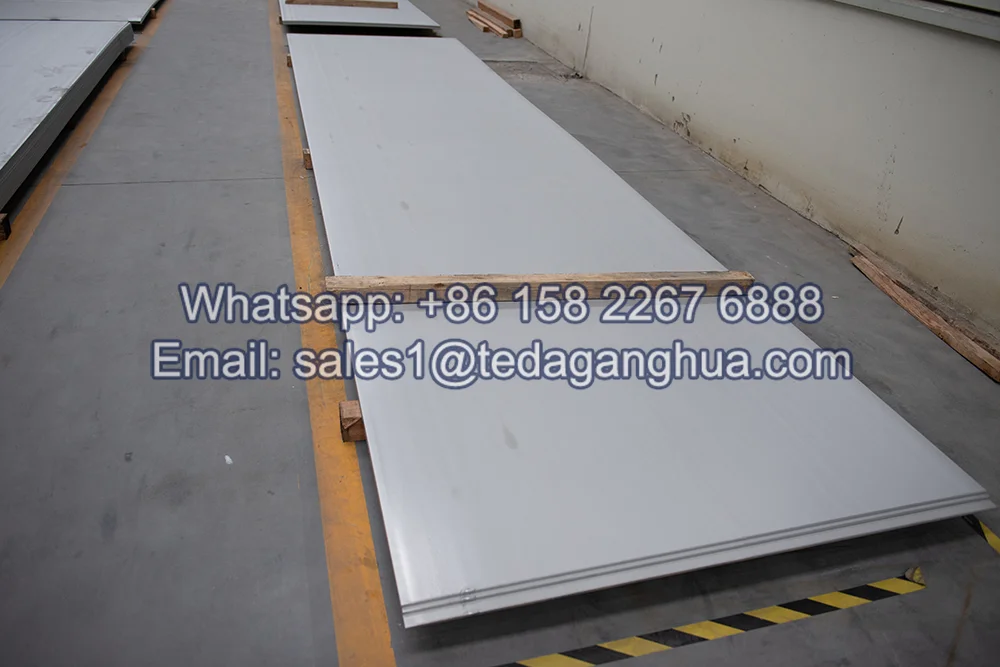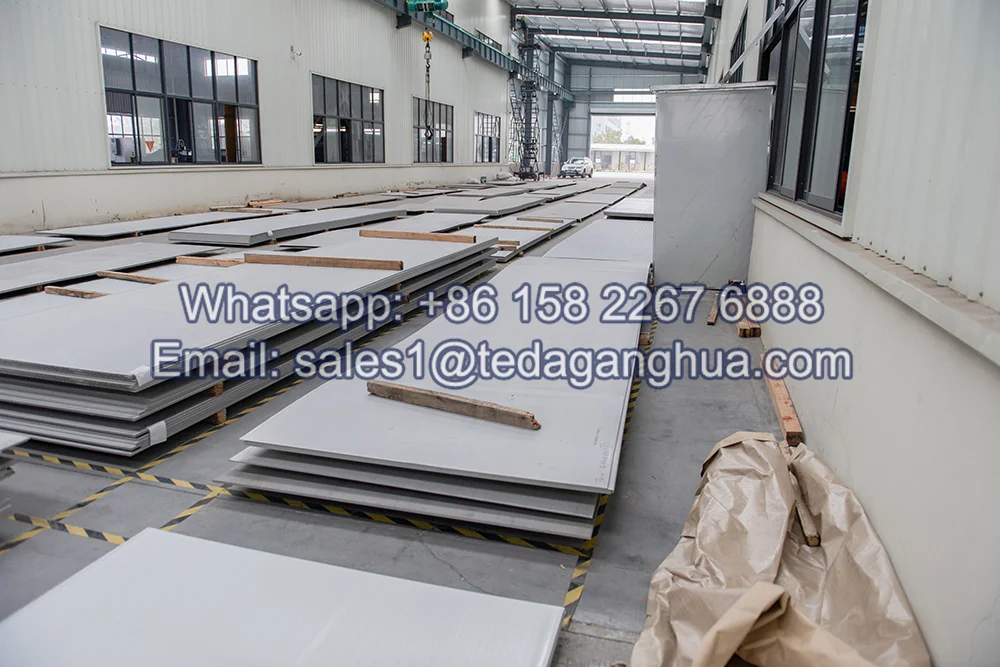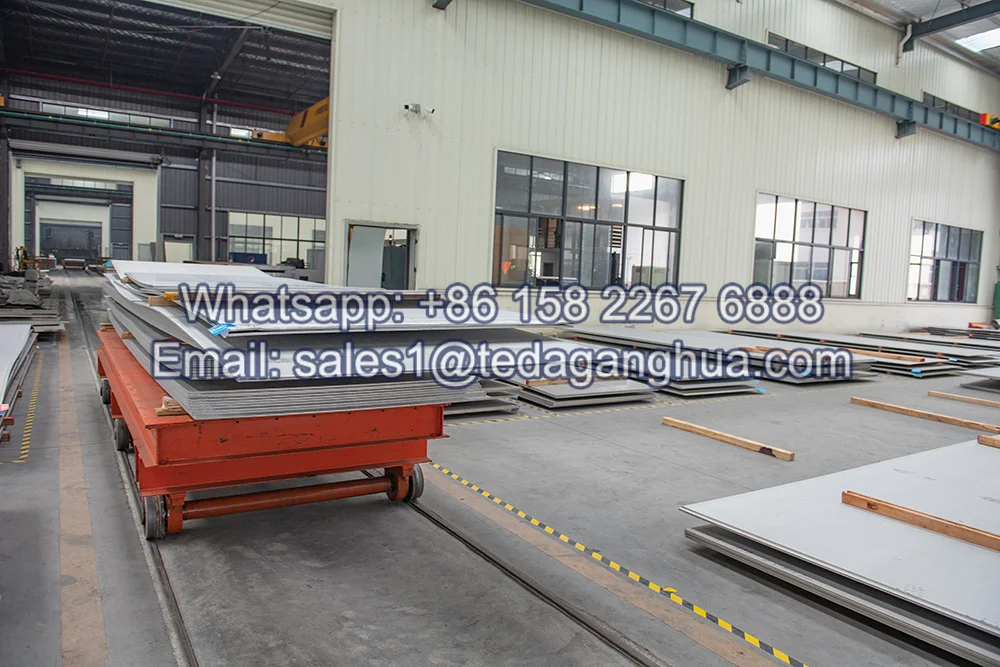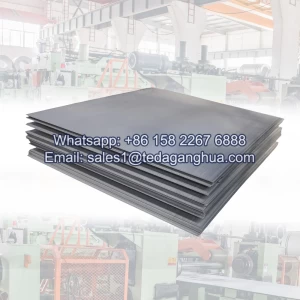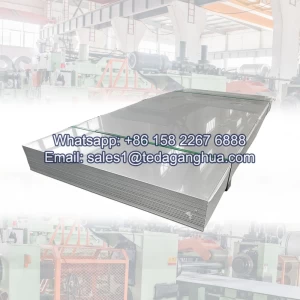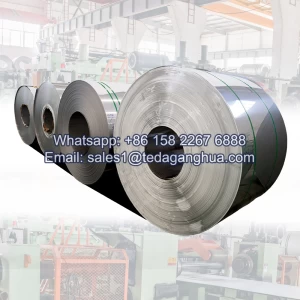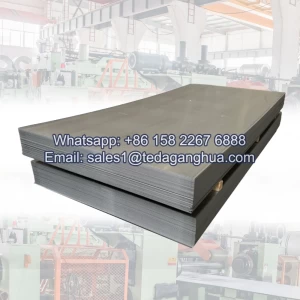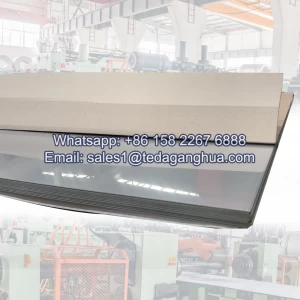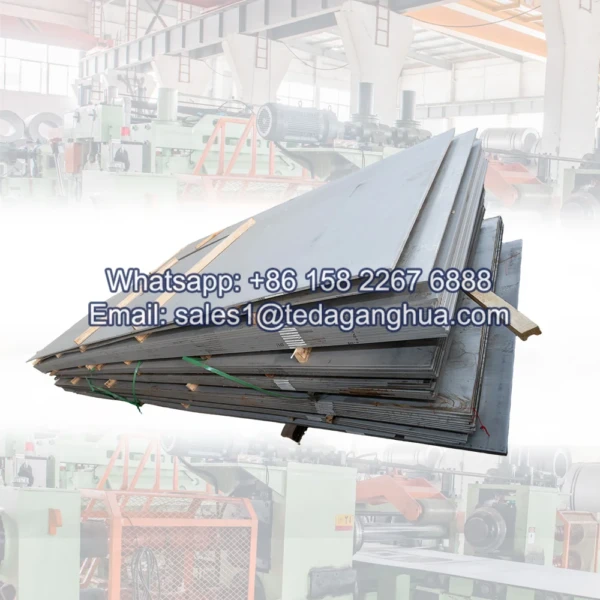
1 4 Tấm thép không gỉ

The price difference of 1/4 tấm thép không gỉ is mainly determined by the chemical composition and alloy content of different grades, especially nickel and molybdenum. While thickness remains the same, higher-grade stainless steels provide better corrosion resistance, sức mạnh cơ học, and service life, which directly increases production cost and market price. Selecting the appropriate grade depends on balancing performance requirements and budget considerations.
- Sự miêu tả
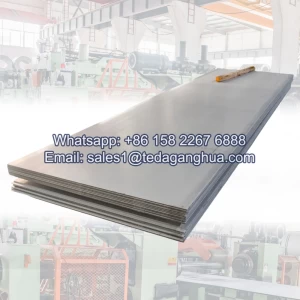
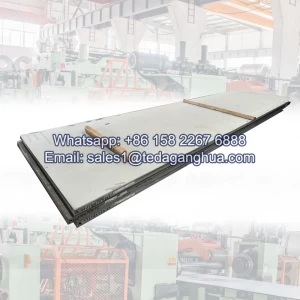
1/4 Tấm thép không gỉ (0.25 inch / 6.35 mm) is a commonly used medium-thickness stainless steel material applied in machinery manufacturing, thành phần cấu trúc, thiết bị hóa học, và chế tạo công nghiệp. One of the most important factors buyers consider is why different stainless steel grades have different prices even at the same thickness.
Why Stainless Steel Plate Prices Differ by Grade
Although the thickness is the same (1/4 inch), the price of stainless steel plates varies significantly depending on thành phần hóa học, hàm lượng hợp kim, production cost, and performance level.
1. Alloy Composition Differences
The main reason for price variation is the difference in alloying elements:
| Loại lớp | Key Alloying Elements | Cost Impact |
|---|---|---|
| 201 / 202 | Niken thấp, higher manganese | Lowest cost |
| 304 / 304L | crom + Niken | Medium cost |
| 316 / 316L | crom + Niken + Molypden | Higher cost |
| 321 | Titanium stabilized | Higher cost |
| 2205 (song công) | High Cr + TRONG + Mo | Highest cost |
Higher alloy content directly increases raw material cost.
2. Nickel and Molybdenum Content Impact
Niken (TRONG)
- Stabilizes austenitic structure
- Improves corrosion resistance and ductility
- High market price fluctuations strongly affect cost
Molypden (Mo)
- Improves resistance to chloride corrosion
- Found in 316/316L and duplex grades
- Adds significant cost increase
3. Production Process Differences
Different grades require different manufacturing processes:
- 201/430: simpler production process
- 304: standard stainless steel melting and rolling
- 316L: stricter composition control
- Duplex steels: complex heat treatment and processing
More complex production = higher cost.
4. Corrosion Resistance Level
| Cấp | Chống ăn mòn | Typical Use Environment |
| 201 | Thấp | Indoor decorative use |
| 304 | Tốt | Sử dụng công nghiệp nói chung |
| 316L | Xuất sắc | Môi trường biển và hóa chất |
| 2205 | Rất cao | Severe corrosion environments |
Better corrosion resistance requires higher alloy content and cost.
5. Mechanical Performance Requirements
Higher-grade stainless steels often provide:
- Sức mạnh cao hơn (duplex grades)
- Better toughness
- Improved service life in harsh environments
These performance improvements increase production cost.
6. Market Demand and Application Scope
- 304 is the most widely used → stable and moderate price
- 316L is used in high-end industries → higher price
- Duplex stainless steel is niche → highest price
Market demand directly affects price stability.
Price Comparison for 1/4 Tấm thép không gỉ
| Cấp | Mức giá | Main Reason |
| 201 | Thấp | Hàm lượng niken thấp |
| 304 | Trung bình | Balanced performance |
| 316L | Cao | Molypden + chống ăn mòn |
| 321 | Cao | Titanium stabilization |
| 2205 | Rất cao | Duplex structure + high alloy content |