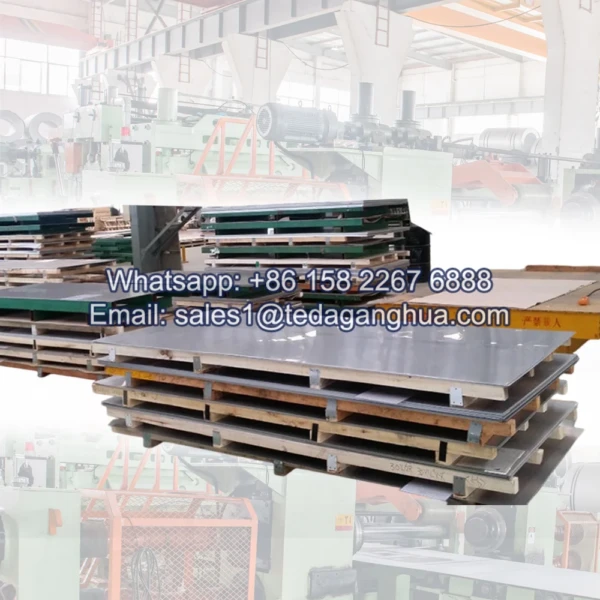

1 4 inch 316 Tấm thép không gỉ


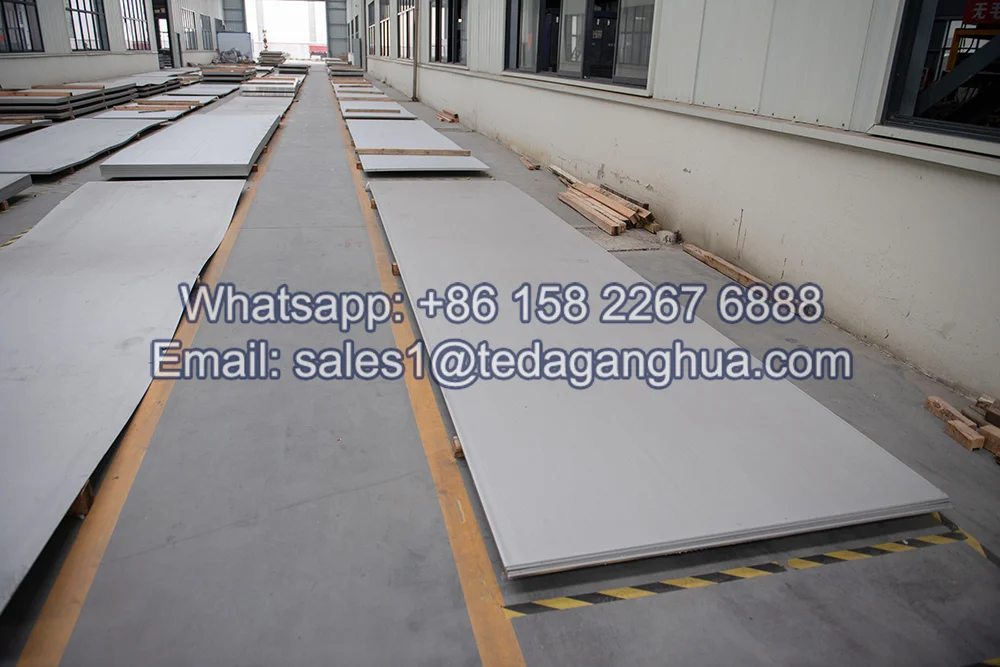
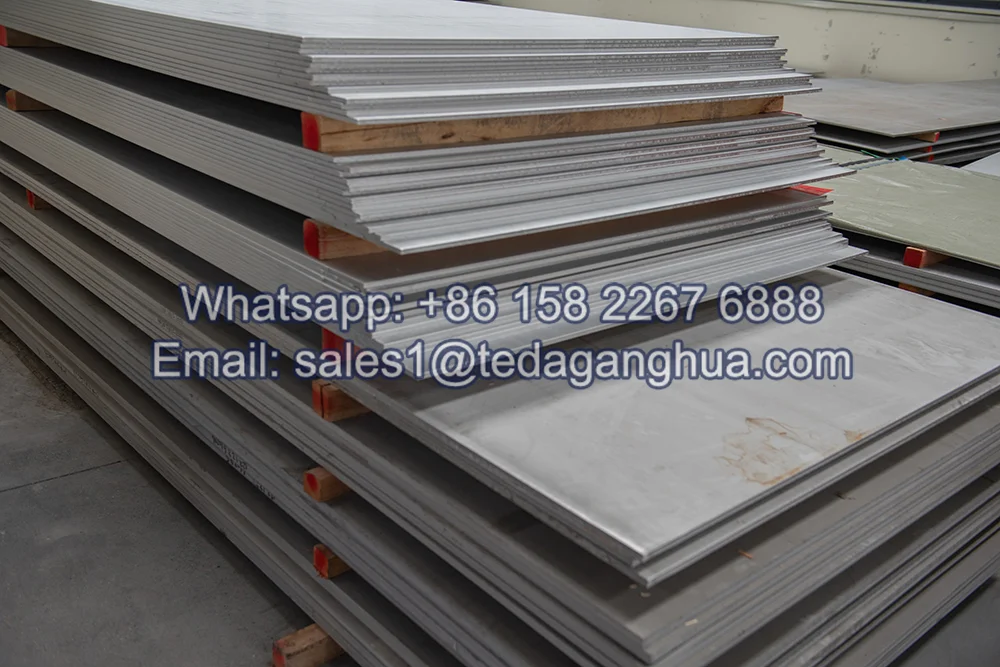
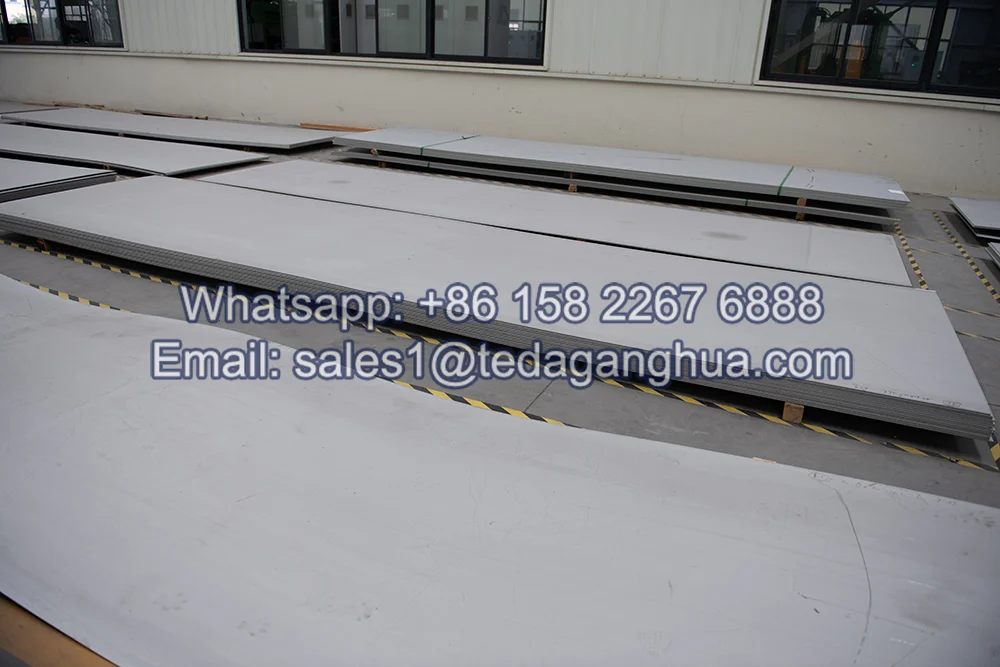
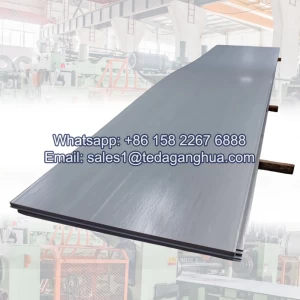
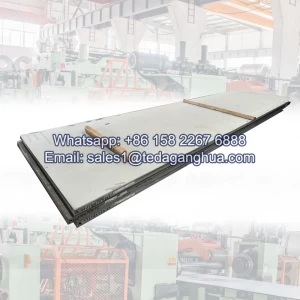
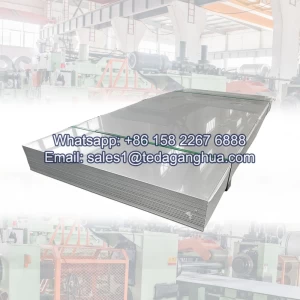
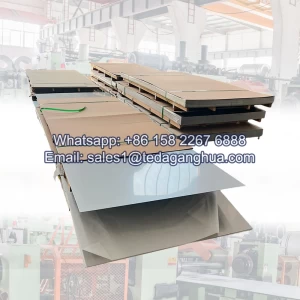
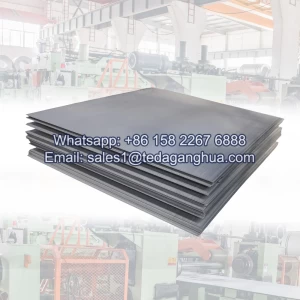
1/4 inch 316 stainless steel plate is a widely used medium-thickness corrosion resistant material commonly supplied in both hot rolled and cold rolled conditions. Tuy nhiên, at 6.35 mm thickness, hot rolled production is more common because it is more economical and better suited for heavy industrial applications.
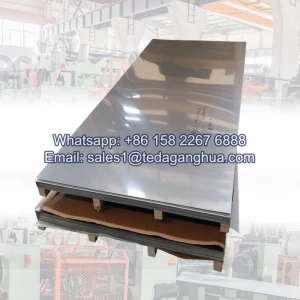
Cán nguội 316 stainless steel at this thickness provides smoother surfaces and better dimensional accuracy, while hot rolled plates offer lower cost and better suitability for structural and heavy fabrication applications.
- Sự miêu tả
1/4 inch 316 stainless steel plate is a medium-thickness corrosion resistant stainless steel material widely used in chemical processing, kỹ thuật hàng hải, food equipment, bình áp lực, và chế tạo công nghiệp. The thickness of 1/4 inch is approximately 6.35 mm, which is considered a medium plate specification in stainless steel production.
Ở độ dày này, both hot rolled and cold rolled manufacturing processes may be used, but there are significant differences in production capability, chất lượng bề mặt, độ chính xác chiều, tính chất cơ học, and cost.
1. Standard Thickness of 1/4 inch 316 Tấm thép không gỉ
| Imperial Size | Metric Thickness |
|---|---|
| 1/4 inch | 6.35 mm |
This thickness is commonly used for:
- Chế tạo kết cấu
- Bể chứa hóa chất
- Thiết bị hàng hải
- Máy móc công nghiệp
- Heavy-duty stainless steel components
2. Characteristics of 316 thép không gỉ
316 stainless steel is an austenitic stainless steel containing molybdenum (Mo), which improves corrosion resistance in chloride and marine environments.
Thành phần hóa học điển hình
| Yếu tố | Chức năng chính |
|---|---|
| crom (Cr) | Chống ăn mòn |
| Niken (TRONG) | Toughness and stability |
| Molypden (Mo) | Chloride corrosion resistance |
| Cacbon (C) | Strength control |
Các tính năng chính
- Khả năng chống ăn mòn tuyệt vời
- Good weldability
- Strong resistance to chloride environments
- Good high-temperature performance
3. Có thể 1/4 Inch Stainless Steel Be Cold Rolled?
Đúng, but there are practical limitations.
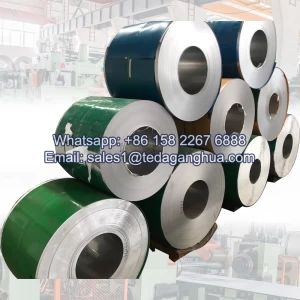
cán nguội 316 thép không gỉ
Cold rolling is mainly used for:
- Thin and medium-thickness stainless steel sheets
- High surface quality requirements
- Tight dimensional tolerances
Tại 6.35 mm thickness:
- Cold rolling becomes more difficult
- Rolling pressure increases significantly
- Production cost rises
Vì thế, most 1/4 inch stainless steel plates are produced using hot rolling, while some precision applications may use cold rolled processing.
4. Hot Rolled vs Cold Rolled 1/4 inch 316 thép không gỉ
| Tài sản | cán nóng | cán nguội |
|---|---|---|
| Hoàn thiện bề mặt | Rougher | Smoother |
| Thickness Accuracy | Thấp hơn | Cao hơn |
| Độ phẳng | Vừa phải | Tốt hơn |
| Production Cost | Thấp hơn | Cao hơn |
| Available Thickness | Suitable for heavy plates | Better for thin sheets |
| Surface Finish Type | số 1 | 2B / cử nhân |
| Khả năng định dạng | Tốt | Better precision |
| Căng thẳng nội tâm | Thấp hơn | Higher after rolling |
5. Surface Difference
Hot Rolled Surface
- Usually No.1 finish
- Rough gray industrial appearance
- Suitable for heavy engineering applications
Cold Rolled Surface
- Usually 2B or BA finish
- Smooth and brighter surface
- Better for decorative or precision fabrication
Vì 1/4 inch thickness, hot rolled No.1 finish is much more common in the industrial market.
6. Mechanical Property Difference
cán nóng 316 Đĩa
- Better internal structural stability
- Lower residual stress
- Suitable for welding and heavy fabrication
cán nguội 316 Đĩa
- Higher strength from work hardening
- Better dimensional accuracy
- More suitable for precision fabrication
7. Processing Difference
cán nóng 1/4 Inch Plate
Common processing:
- Cắt plasma
- Heavy welding
- Chế tạo kết cấu
- Industrial machining
cán nguội 1/4 Inch Sheet
Common processing:
- Precision laser cutting
- uốn CNC
- Gia công trang trí
- Precision assembly work
8. Thông số kỹ thuật chiều rộng và chiều dài phổ biến
| Chiều rộng | Chiều dài |
|---|---|
| 1219 mm | 2438 mm |
| 1500 mm | 3000 mm |
| 1500 mm | 6000 mm |
| 2000 mm | 6000 mm |
Custom cutting sizes are also widely available.
9. Which Process Is More Common for 1/4 Inch Thickness?
Vì 1/4 inch (6.35 mm) 316 thép không gỉ:
- Hot rolled production is more common
- Cold rolled production is less common due to higher processing difficulty and cost
Cold rolled material is usually selected only when:
- Better surface finish is required
- Higher dimensional precision is needed
- Decorative appearance is important