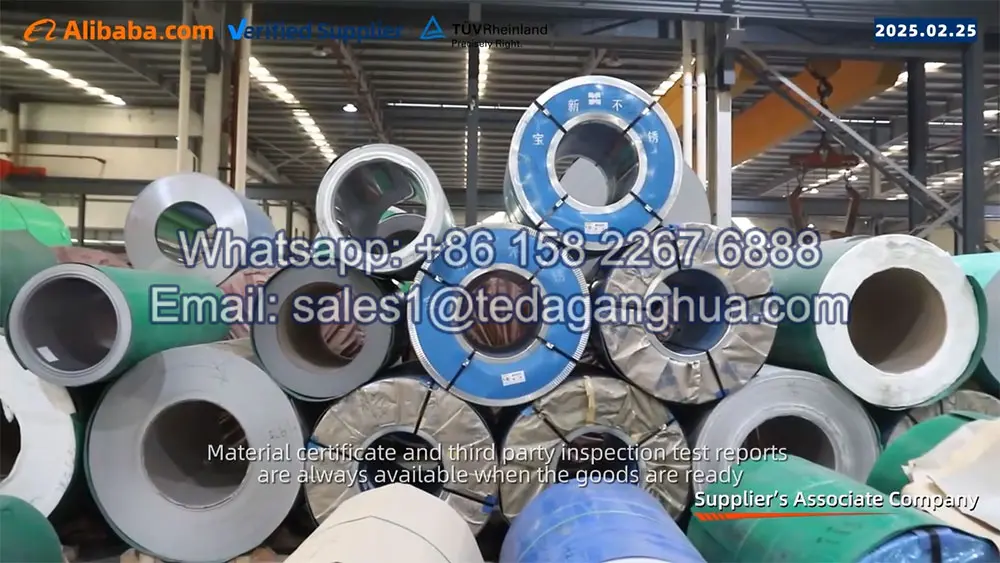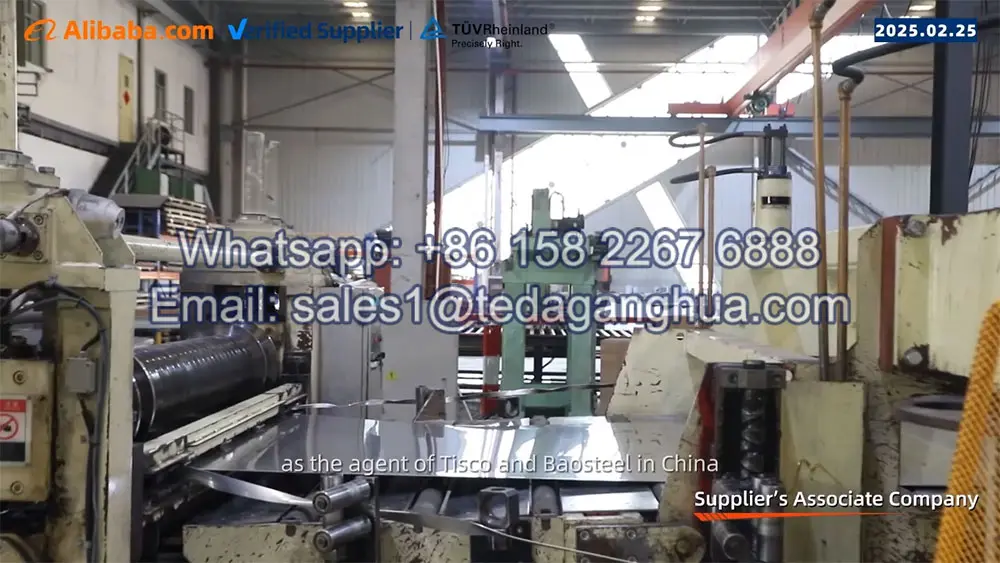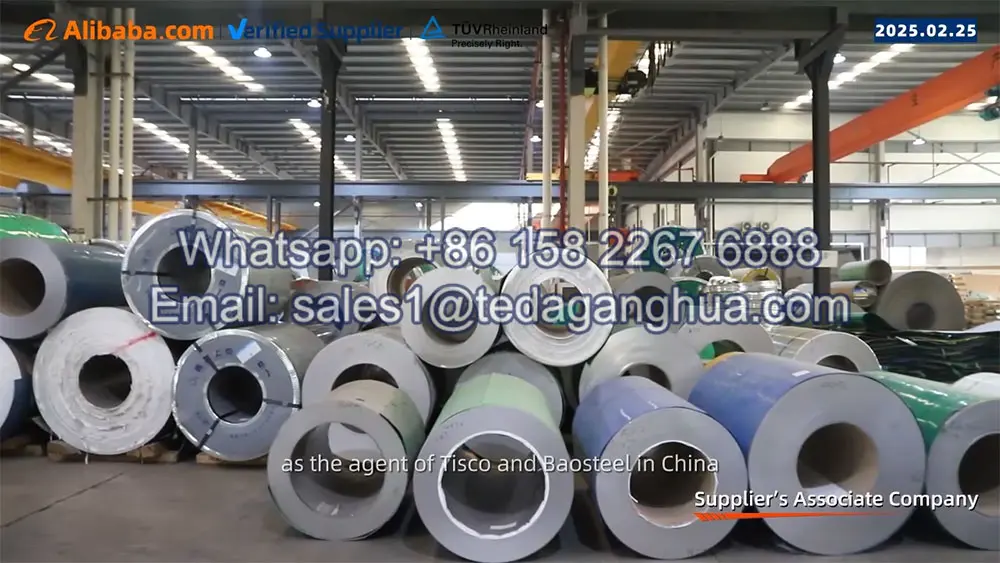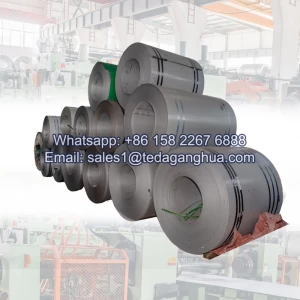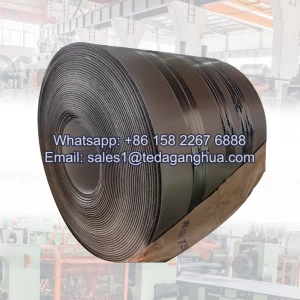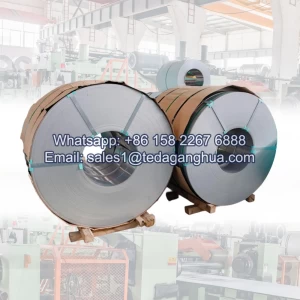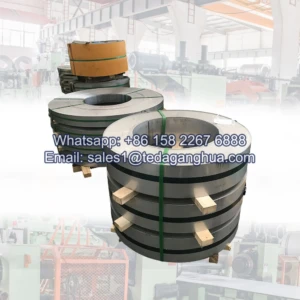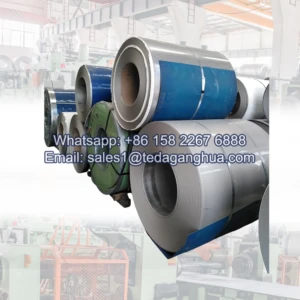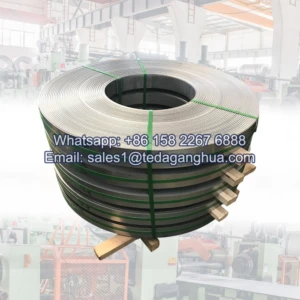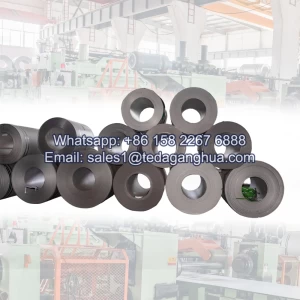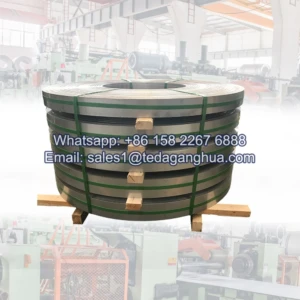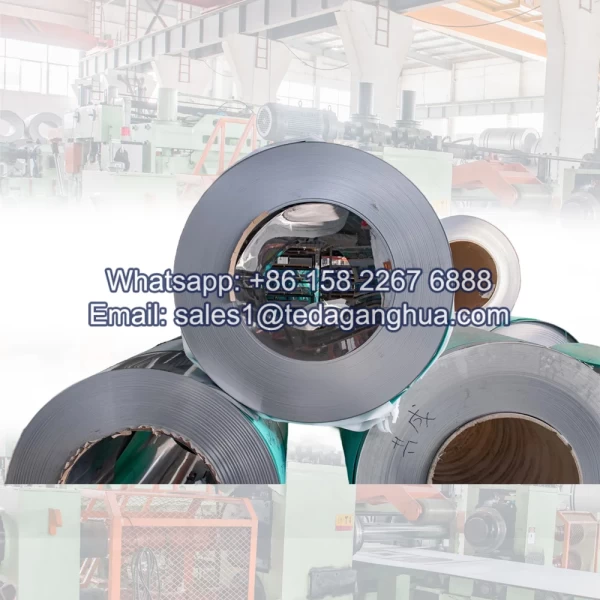
Stainless Steel Cold Rolled Coil
Stainless steel cold rolled coil and cold rolled carbon steel coil differ mainly in:
-
Chemical composition (chromium content)
-
Corrosion resistance
-
Mechanical performance
-
Surface finish quality
-
Long-term durability
Stainless steel cold rolled coil is ideal for corrosion-resistant, decorative, and hygienic environments. Carbon steel cold rolled coil is more economical for structural applications where corrosion protection can be added separately.
- Description
Stainless steel cold rolled coil is produced by cold reducing stainless steel hot rolled coils, followed by annealing and surface finishing. Compared with ordinary cold rolled carbon steel coil, stainless steel cold rolled coil provides superior corrosion resistance, different mechanical behavior, and distinct application advantages.
Understanding the differences between these two materials is essential for proper material selection.
1. Main Differences Between Stainless Steel and Carbon Steel Cold Rolled Coils
1.1 Chemical Composition Difference
Stainless Steel Cold Rolled Coil
Contains a minimum of 10.5% chromium (Cr), which forms a passive oxide film on the surface to prevent corrosion.
Typical alloy elements:
-
Chromium (Cr)
-
Nickel (Ni)
-
Molybdenum (Mo)
-
Manganese (Mn)
-
Low carbon content (varies by grade)
Common grades:
-
201
-
304 / 304L
-
316 / 316L
-
430
Cold Rolled Carbon Steel Coil
Primarily composed of:
-
Iron (Fe)
-
Carbon (C)
-
Small amounts of manganese (Mn)
Does not contain sufficient chromium to resist corrosion and usually requires painting, coating, or galvanizing for protection.
1.2 Corrosion Resistance
| Property | Stainless Steel Cold Rolled Coil | Carbon Steel Cold Rolled Coil |
|---|---|---|
| Corrosion Resistance | Excellent | Low (requires coating) |
| Rust Resistance | Self-protecting oxide layer | Easily rusts in humid environments |
| Chemical Resistance | Good to excellent (depends on grade) | Poor |
Stainless steel performs well in marine, chemical, food, and humid environments, while carbon steel is mainly used in dry structural applications.
1.3 Mechanical Properties Comparison
Cold rolling increases strength in both materials through work hardening.
Stainless Steel (Example: 304 Annealed Condition)
| Property | Typical Value |
|---|---|
| Yield Strength | ≥205 MPa |
| Tensile Strength | ≥515 MPa |
| Elongation | ≥40% |
| Hardness | ≤95 HRB |
Stainless steel also supports different temper conditions:
-
Soft annealed
-
1/4 hard
-
1/2 hard
-
Full hard
Cold Rolled Carbon Steel (Typical Commercial Grade)
| Property | Typical Value |
|---|---|
| Yield Strength | 200–350 MPa |
| Tensile Strength | 300–500 MPa |
| Elongation | 20–35% |
| Hardness | Lower than hardened stainless |
Carbon steel is easier to form but lacks corrosion durability.
2. Surface Finish Difference
Stainless Steel Cold Rolled Coil
Common finishes:
-
2B (smooth matte)
-
BA (bright annealed)
-
No.4 (brushed)
-
Hairline (HL)
-
Mirror finish
Surface quality is generally superior and suitable for decorative use.
Carbon Steel Cold Rolled Coil
Typically:
-
Bright cold rolled surface
-
Oiled finish
-
Requires painting or coating
Surface appearance is not corrosion-resistant without further treatment.
3. Size and Dimension Comparison
Both stainless steel and carbon steel cold rolled coils share similar dimensional ranges.
Thickness Range
-
Stainless Steel: 0.2 mm – 3.0 mm (standard cold rolled range)
-
Carbon Steel: 0.3 mm – 3.5 mm (typical range)
Width Range
-
1000 mm
-
1219 mm
-
1250 mm
-
1500 mm
-
Custom slit widths available
Coil Weight
-
3–10 tons standard
-
Custom coil weight available
Dimensional tolerance in stainless steel is generally stricter due to its frequent use in precision and decorative applications.
4. Application Differences
Stainless Steel Cold Rolled Coil Applications
-
Kitchen equipment
-
Food processing machinery
-
Architectural decoration
-
Chemical tanks and pipelines
-
Medical equipment
-
Marine components
Carbon Steel Cold Rolled Coil Applications
-
Automotive structural parts
-
Household appliances (painted)
-
Steel furniture frames
-
Machinery housings
-
Structural components (with coating)
5. Cost and Maintenance Consideration
-
Stainless steel has higher initial material cost.
-
Carbon steel is lower cost but requires maintenance or protective coating.
-
Stainless steel provides longer service life in corrosive environments.
-
Carbon steel is suitable for dry, indoor, or coated applications.