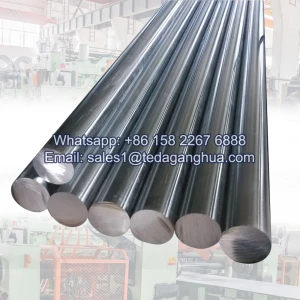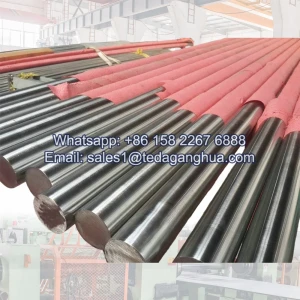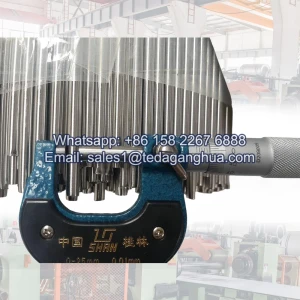
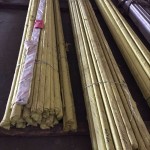
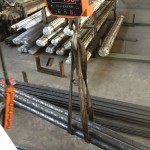
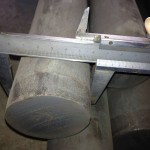
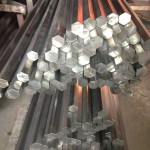
1 4 Stainless Steel Rod
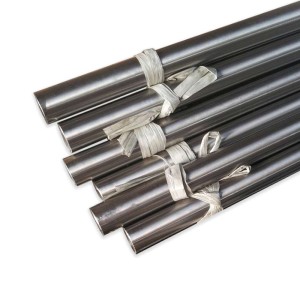
| Standard | ASTM,AISI,SUS,JIS,EN,DIN,BS,GB |
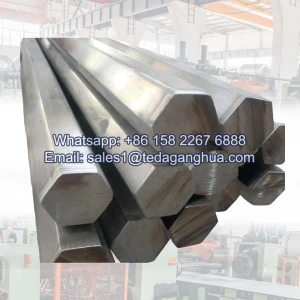
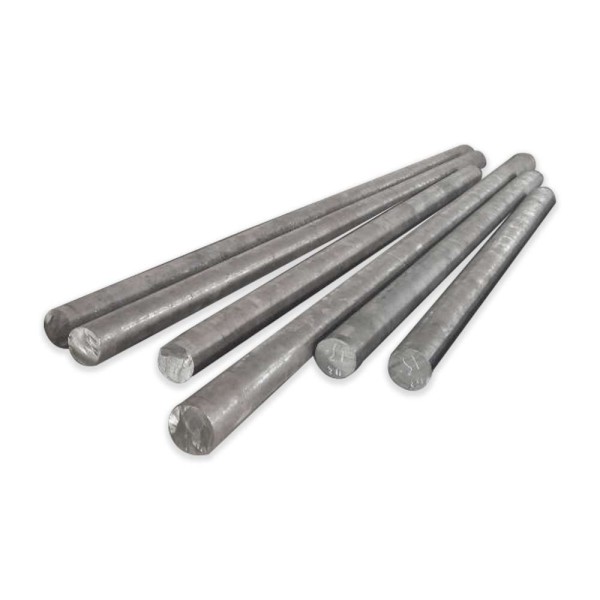
| Shape | Round, Square, Rectangle |
| Grade | 201/202/304/309/309S/310/310S/304/304L/ 316/316L/316Ti/410/420/430 |
| Diameter | 1mm-300mm or as required |
| Length | As required |
| Container size | 20ft GP:5898mm(Length)x2352mm(Width)x2393mm(High) 24-26CBM 40ft GP:12032mm(Length)x2352mm(Width)x2393mm(High) 54CBM 40ft HC:12032mm(Length)x2352mm(Width)x2698mm(High) 68CBM |
| Additional Services | Welding/Punching/Cutting/Bending/Decoiling |
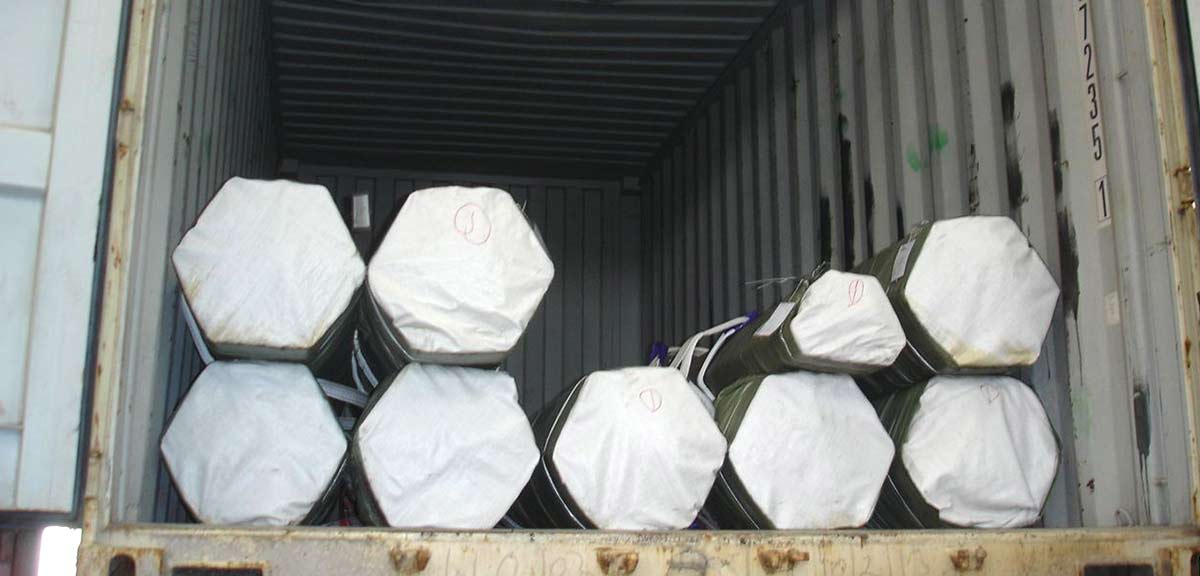
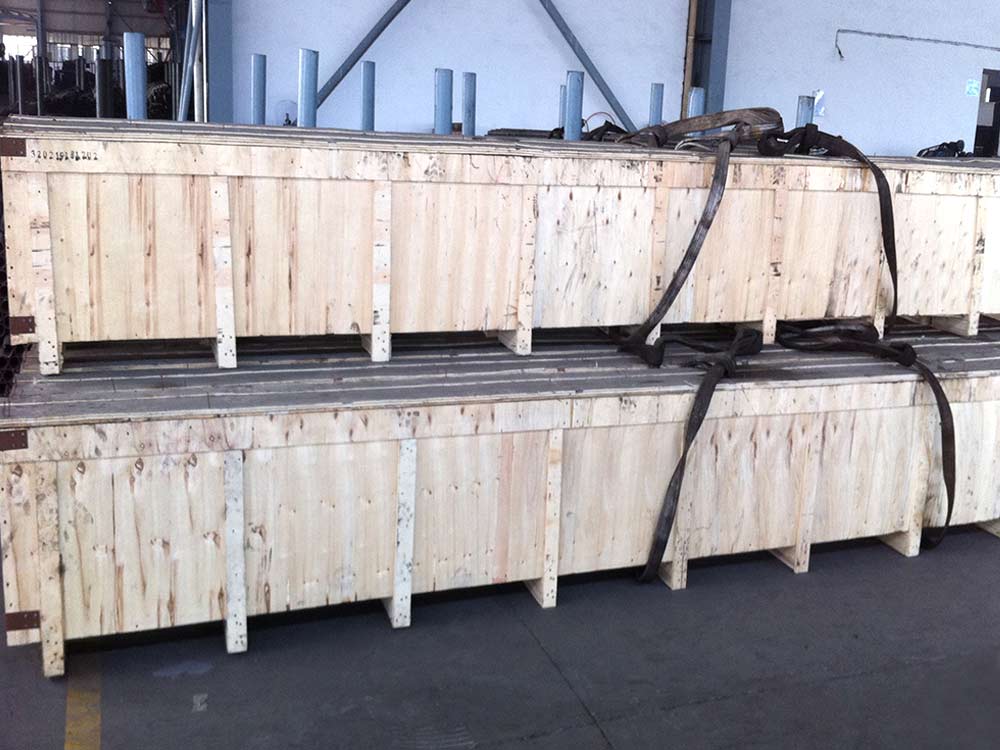
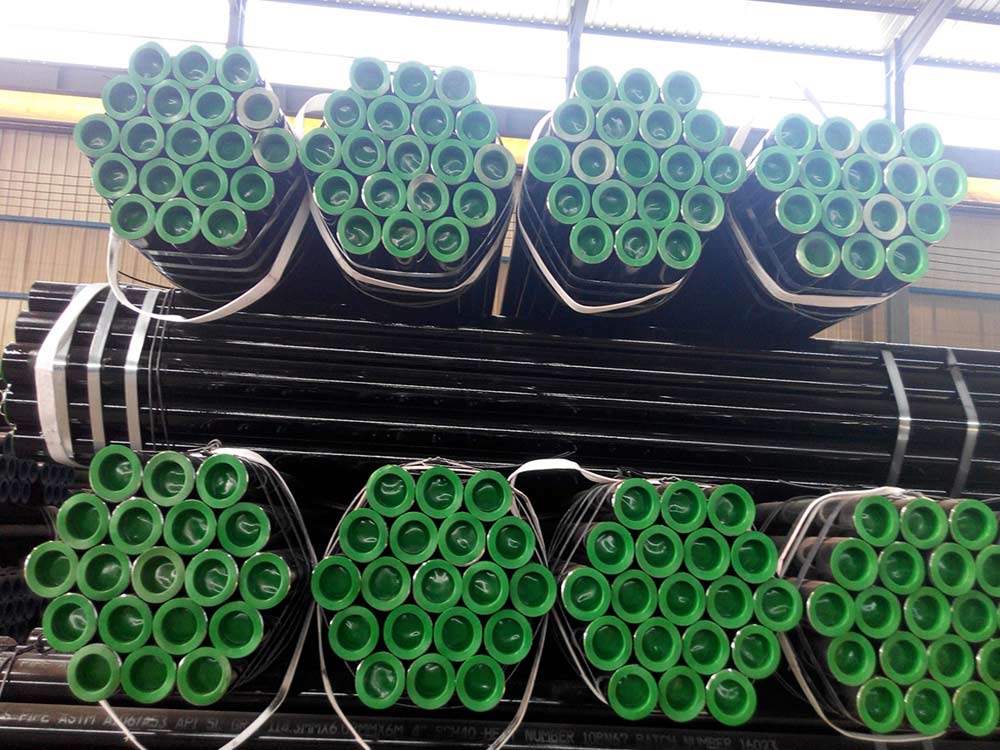
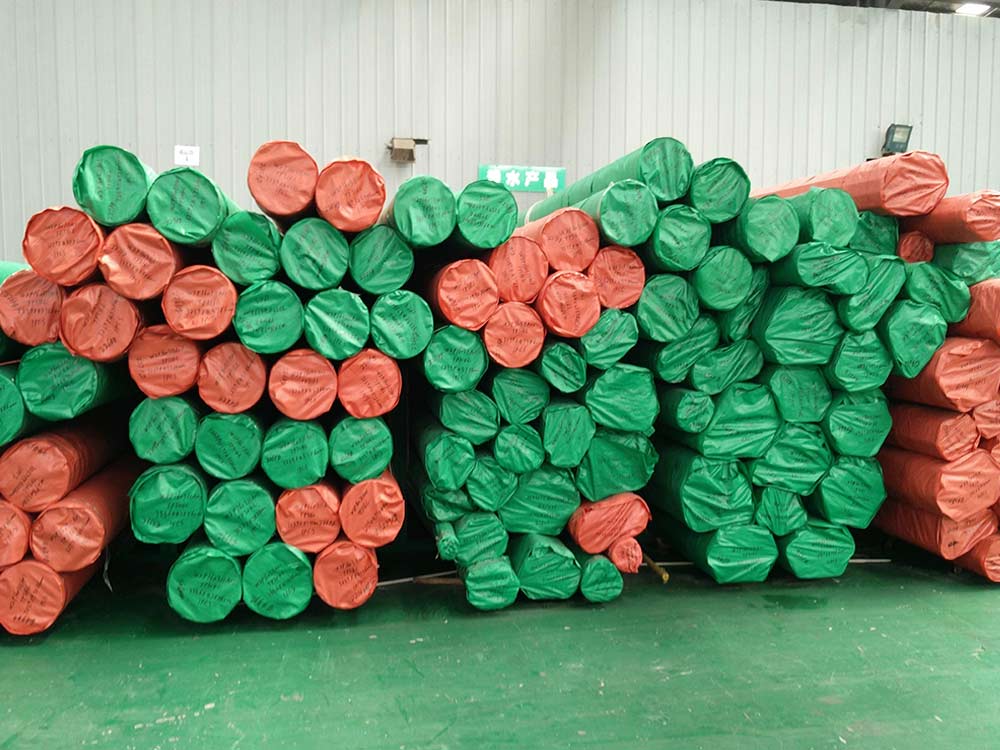
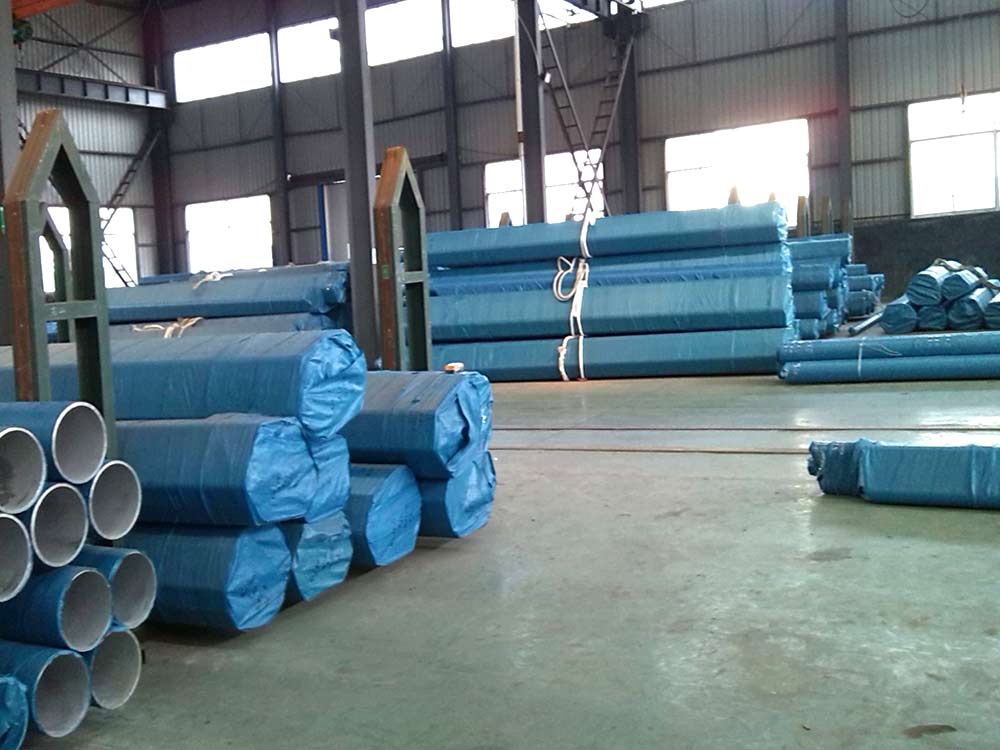
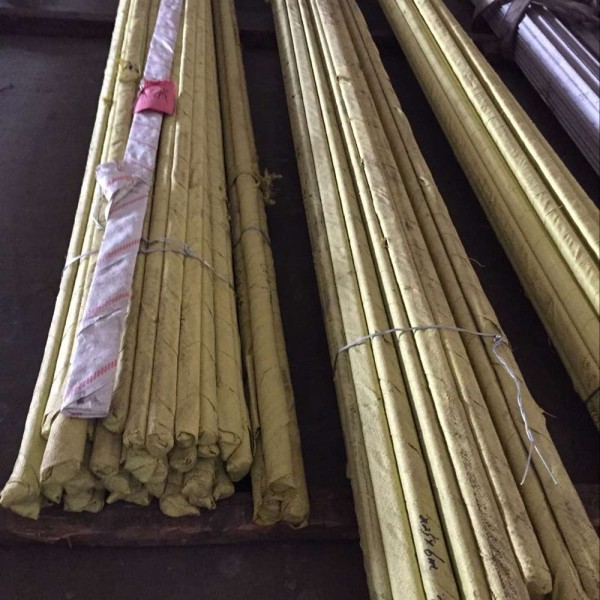
| Package Details | Standard seaworthy package(protected by waterproof paper,wrapped in iron sheet, fixed by steel bars) |
- Description
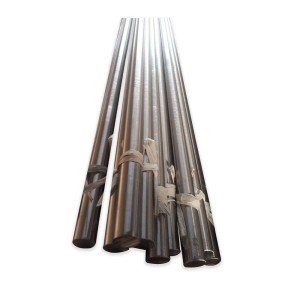
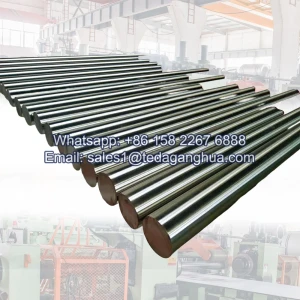
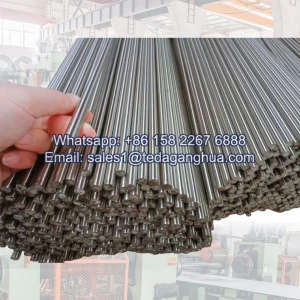
1/4 stainless steel rod refers to a small diameter stainless steel round bar commonly used in precision components, fasteners, pins, medical devices, and small mechanical parts. Due to its small size, the processing and cutting of 1/4 inch stainless steel rod require higher precision control compared with larger bars, especially in terms of deformation, burr control, and dimensional accuracy.
Common Processing Methods for Stainless Steel Rod
- Cold cutting: used for short length cutting with good dimensional accuracy
- Band saw cutting: suitable for batch production and medium precision requirements
- Abrasive wheel cutting: high efficiency but may generate heat and burrs
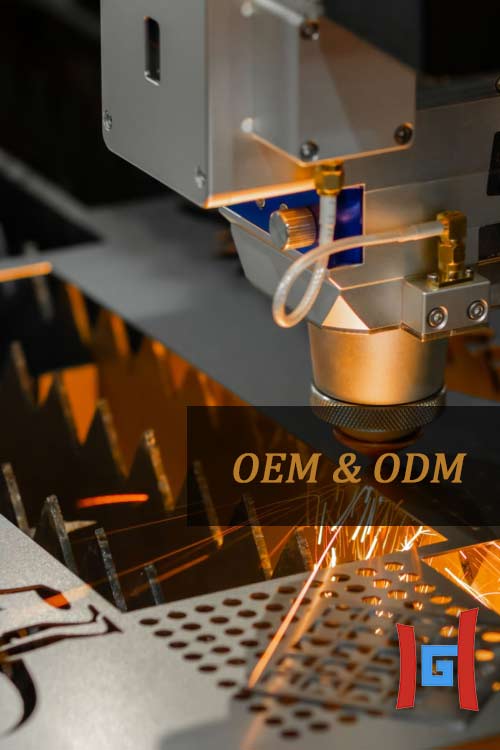
- Laser cutting: used for high precision and complex requirements
- CNC machining: for precision parts after cutting into blanks
Challenges in Cutting Small Diameter Rod
Because 1/4 inch stainless steel rod has a small cross-section, it is more sensitive to cutting force and heat, which can easily cause deformation or surface defects if not properly controlled.
- Risk of bending during clamping and cutting
- Burr formation at cut edges
- Heat buildup affecting surface quality
- Dimensional deviation due to vibration
Precision Control in Cutting Process
- Use of high-precision fixtures to prevent bending
- Sharp cutting tools to reduce burr formation
- Controlled feed rate to avoid vibration
- Cooling or lubrication during cutting
- Post-cut deburring and surface finishing
Common Finishing After Cutting
- Deburring to remove sharp edges
- Polishing for improved surface smoothness
- Grinding for tighter dimensional accuracy
- Passivation to improve corrosion resistance
Typical Applications
- Precision pins and shafts
- Fasteners and screws
- Medical and dental components
- Electronic and sensor parts
- Small mechanical assemblies
Available Processing Services
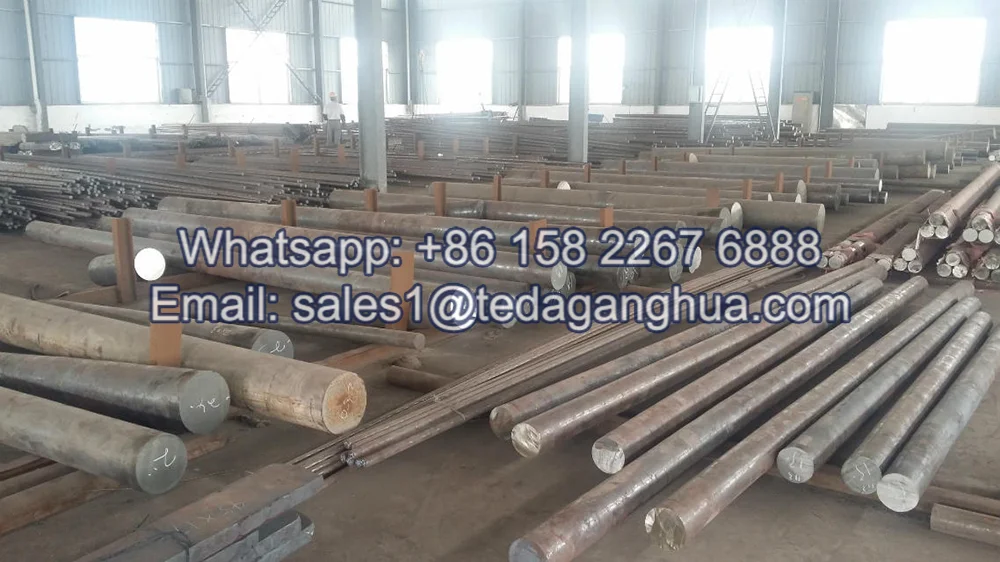
Stainless steel rod can be supplied with cutting, straightening, polishing, machining, and custom length services according to customer requirements.
FAQ
1. What is 1/4 stainless steel rod used for?
It is mainly used for small precision parts, fasteners, and mechanical components.
2. What is the best cutting method?
Band saw and cold cutting are commonly used for stable accuracy.
3. Why does small rod deform easily during cutting?
Because the small diameter has low rigidity and is sensitive to clamping force.
4. How to reduce burrs after cutting?
Use sharp tools and perform deburring or polishing after cutting.
5. Can stainless steel rod be CNC machined?
Yes, after cutting into blanks, it is widely used in CNC machining.
17 Years Of Export Experience Supplier
Sufficient Inventory | Processing Factory
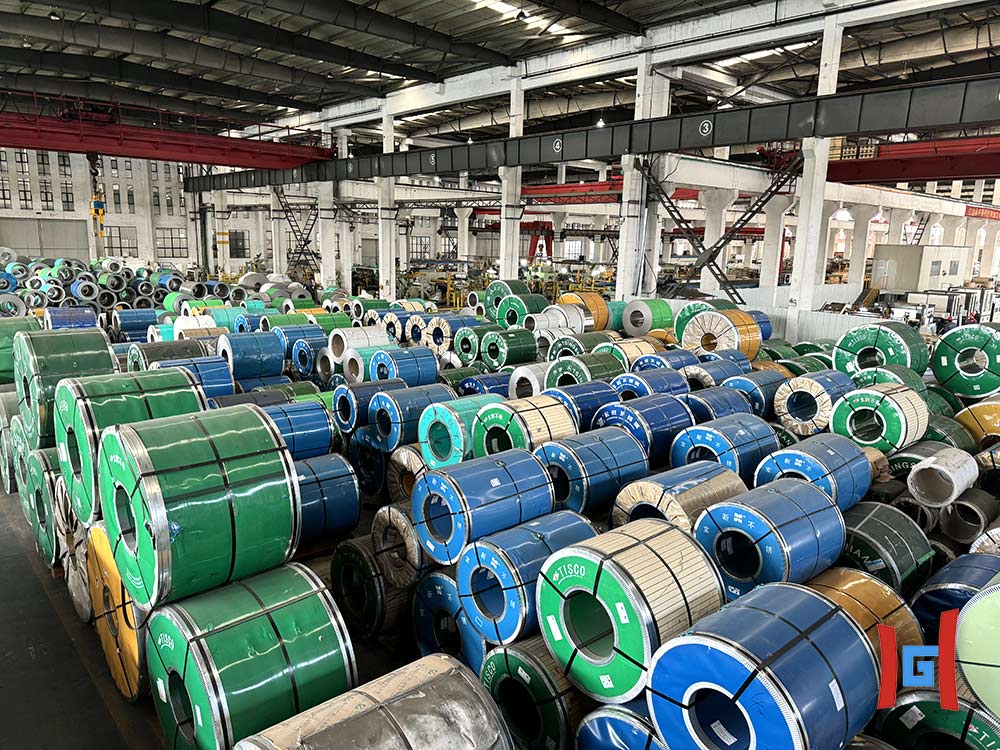
Our Company Establishment: Export started in 2006, with 18 years of export experience; Exported to over 100 countries, with over 800 cumulative clients.Warehouse Inventory: Up to 20,000 tons
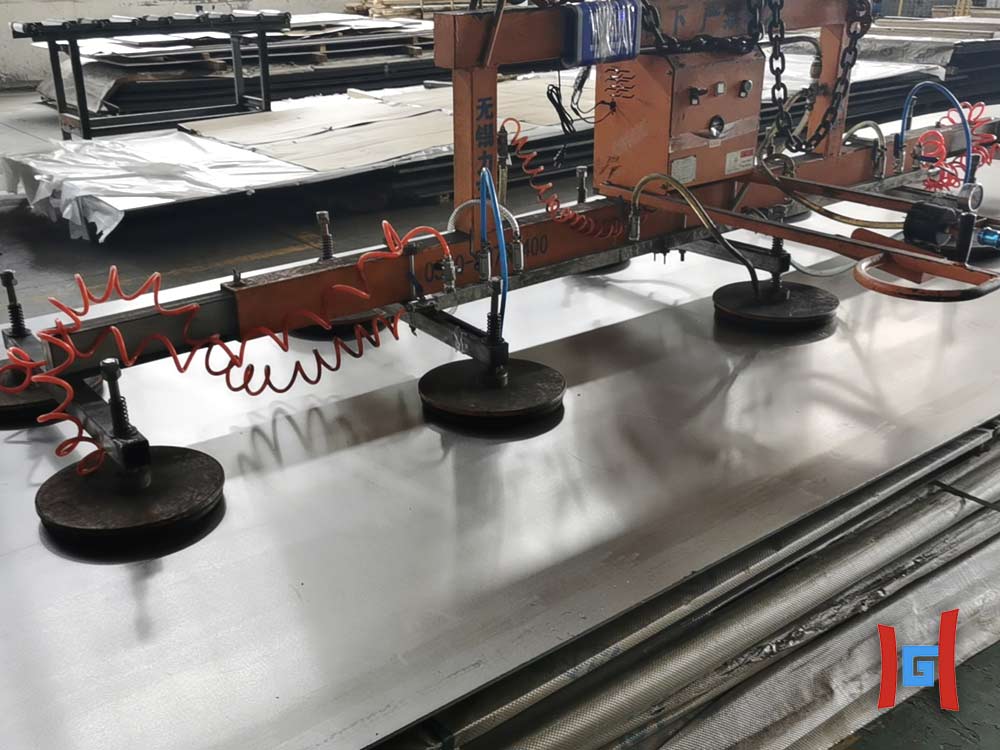
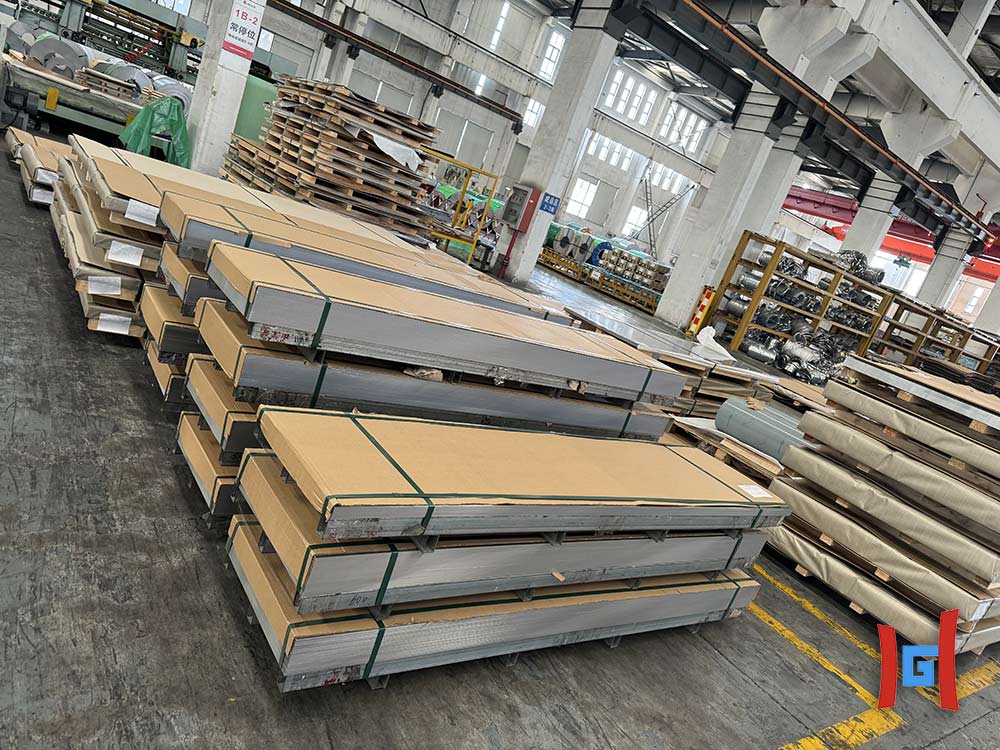
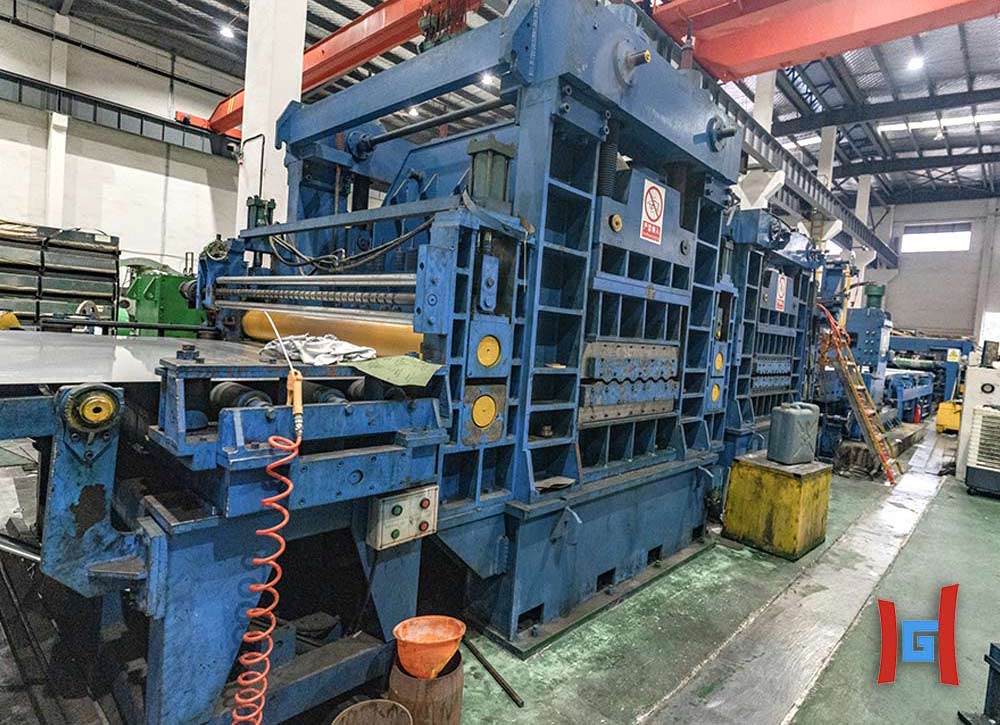
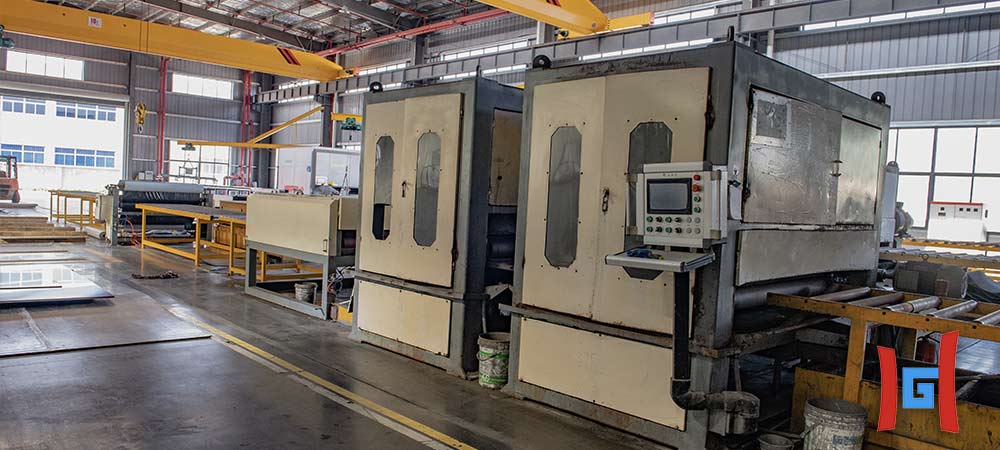
Our Own Steel Processing Factory
We Are Looking For A Distributor Or Wholesale
We hope to do long-term business with high-quality customers
Just like you need high-quality suppliers to supply well

Quick Delivery Stainless Steel Supplier
Standard Seaworthy Package of Stainless Steel
bundle package; wooden case,wooden pallet package; container or bulk; special according to customer request