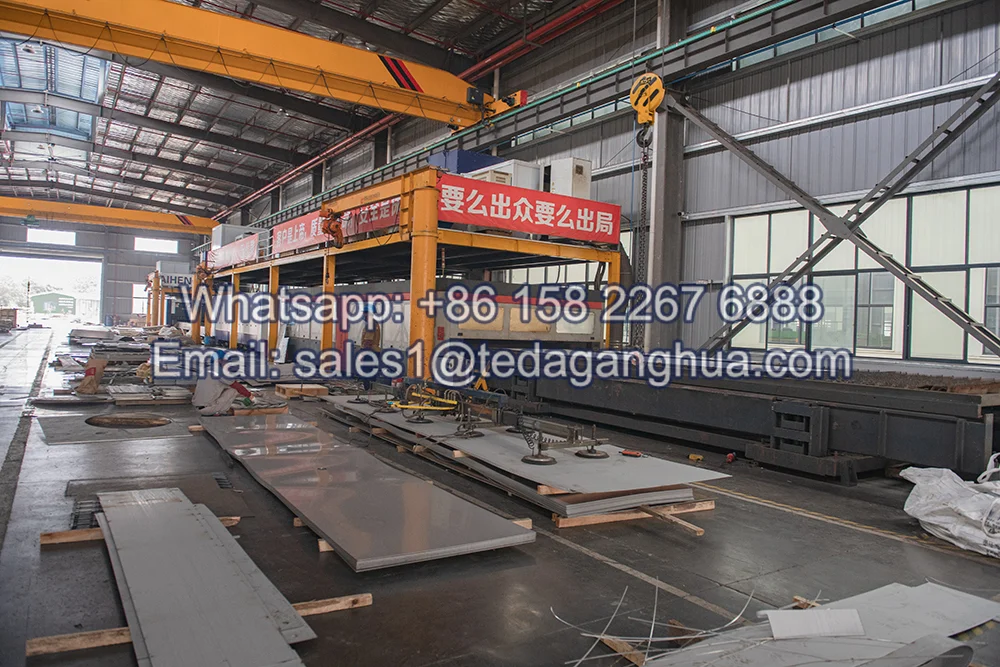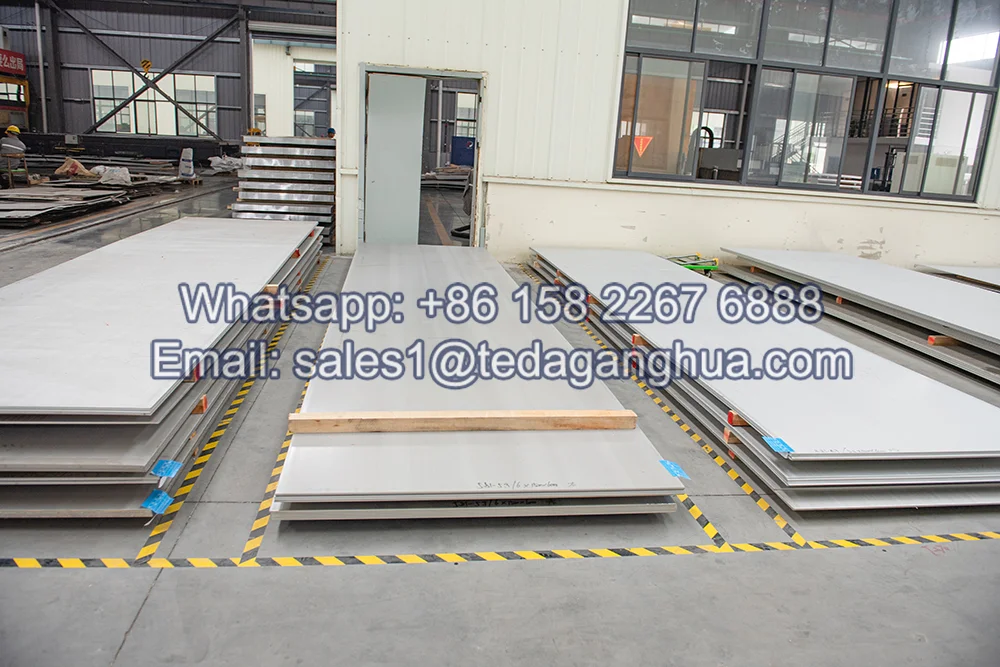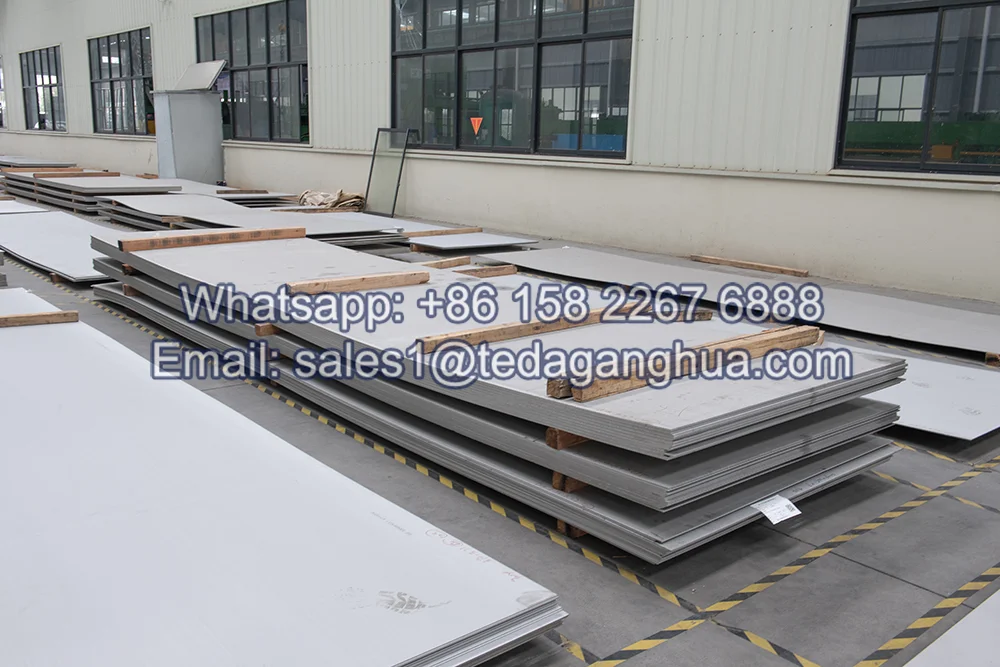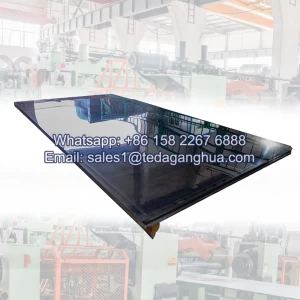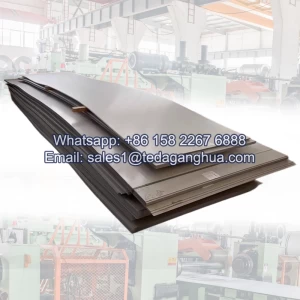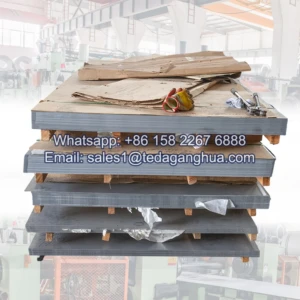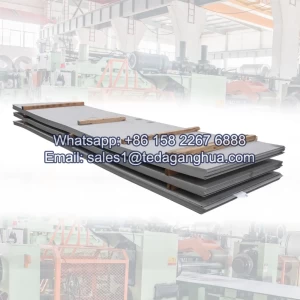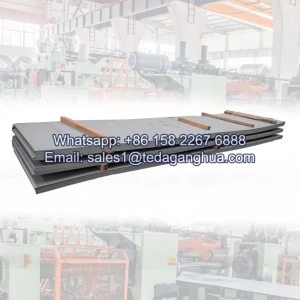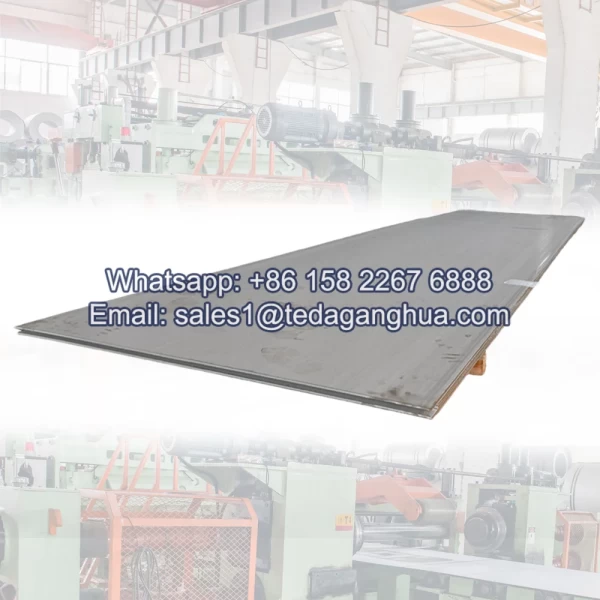

4×8 Stainless Sheet

The 4×8 stainless sheet (1219 × 2438 mm) is the most widely used standard size due to its:
- Compatibility with global processing equipment
- Efficient transportation and handling
- Optimal material utilization
It is available across a wide thickness range and in both cold rolled and hot rolled stainless steel, making it suitable for nearly all industrial and commercial applications.
- Description
A 4×8 stainless sheet refers to a standard sheet size of 4 feet × 8 feet, which equals:
- 1219 mm × 2438 mm
This is one of the most widely used stainless steel sheet dimensions in global markets, especially in fabrication, construction, and industrial applications. Its popularity comes from compatibility with processing equipment, transport efficiency, and minimal material waste.
Common Stainless Steel Sheet Sizes
In addition to 4×8, stainless steel sheets are produced in a range of standard dimensions to meet different industrial needs.
Standard Sheet Size Table
| Size (Feet) | Size (mm) | Description | Common Usage |
|---|---|---|---|
| 3 × 6 | 914 × 1829 | Small format sheet | Light fabrication |
| 4 × 8 | 1219 × 2438 | Most common standard size | General purpose |
| 4 × 10 | 1219 × 3048 | Extended length sheet | Construction panels |
| 5 × 10 | 1524 × 3048 | Large format sheet | Industrial fabrication |
| 5 × 12 | 1524 × 3658 | Oversized sheet | Heavy equipment |
| 6 × 12 | 1829 × 3658 | Extra large sheet | Structural applications |
Common Thickness Range for 4×8 Stainless Sheets
The 4×8 format is available in both cold rolled and hot rolled stainless steel, with different thickness capabilities.
| Process Type | Thickness Range | Typical Supply |
|---|---|---|
| Cold Rolled | 0.3 mm – 6 mm | Sheets (4×8 most common) |
| Hot Rolled | 3 mm – 50 mm+ | Plates (cut to 4×8 size) |
Notes:
- Thin gauges (≤3mm) are almost always cold rolled
- Thicker plates (≥3mm) are typically hot rolled and then cut to size
- 4×8 is most common for thickness 0.5mm – 3mm
Why 4×8 is the Most Popular Stainless Sheet Size
1. Standardization in Manufacturing
Most processing machines such as:
- Laser cutting machines
- CNC punching systems
- Bending machines
are designed to handle 4×8 sheets, making it the most efficient format.
2. Transportation Efficiency
- Fits well in containers and trucks
- Easy to handle and stack
- Reduces logistics cost
3. Material Utilization
- Optimized for nesting and cutting
- Minimizes scrap during fabrication
Coil vs Sheet Conversion
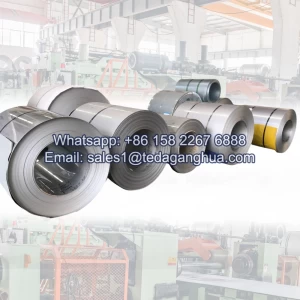
Stainless steel sheets originate from coils. The 4×8 sheet is typically produced by cutting from coil stock.
| Form | Width Range | Length |
|---|---|---|
| Coil | 1000 – 2000 mm | Continuous |
| Sheet (Cut) | Fixed (e.g., 1219 mm) | 2000 – 6000 mm |
Key Point:
- 1219 mm (4 ft) is derived from standard coil widths
- 2438 mm (8 ft) is a commonly optimized cutting length
Tolerance and Flatness Considerations
| Parameter | Cold Rolled | Hot Rolled |
|---|---|---|
| Thickness Tolerance | High precision (±0.10 mm) | Lower precision (±0.20–0.30 mm) |
| Flatness | Excellent | Moderate |
| Surface | Smooth (2B, BA) | Rough (No.1) |
Typical Applications of 4×8 Stainless Sheets
- Architectural panels and cladding
- Kitchen equipment and food processing
- Decorative metal fabrication
- Industrial equipment covers
- Tanks and enclosures