Garis Panduan untuk Mengendalikan Bahagian Keluli Tahan Karat
Garis Panduan untuk Mengendalikan Bahagian Keluli Tahan Karat
Storage
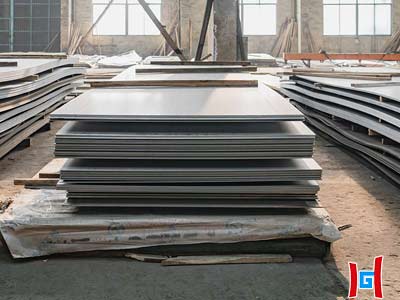
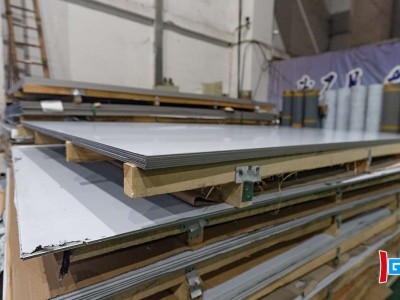
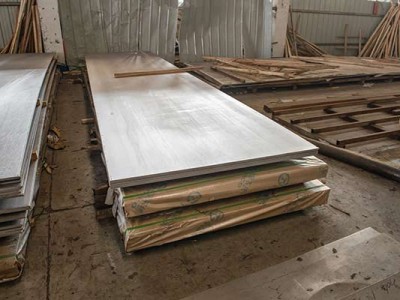
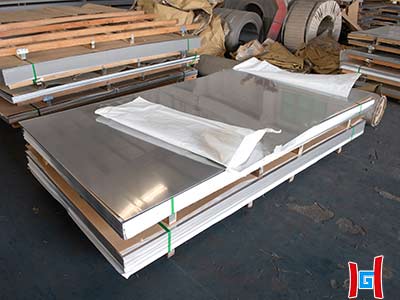
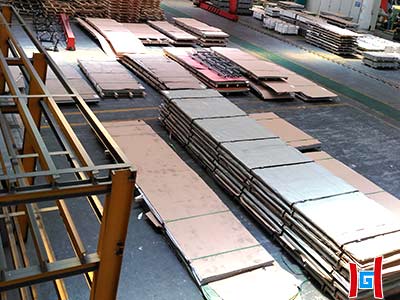
- Designated Storage: Gunakan rak penyimpanan khas yang diperbuat daripada kayu, keluli karbon dicat, or rubber pads to prevent contact with other metals.
- Isolation: Store stainless steel separately from other materials. The area should be convenient for lifting and protected from dust, minyak, and rust.
Lifting
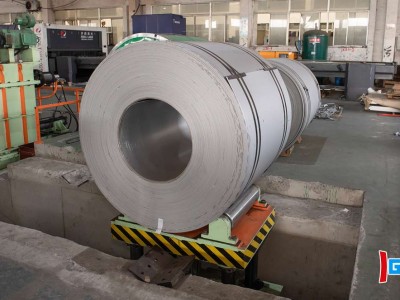
- Special Equipment: Use lifting belts and special chucks. Avoid wire ropes to prevent surface scratches.
- Careful Handling: Prevent impact and collision to avoid scratches during lifting and placement.
Pengangkutan
- Clean Tools: Use clean transportation tools such as trolleys or battery cars with protective measures to prevent contamination.
- Avoid Dragging: Dragging is prohibited to prevent bumps and scratches.
Memproses
Processing Area
- Fixed Area: Use a dedicated area for processing stainless steel. Lay rubber pads on platforms to prevent damage.
- Clean Environment: Maintain a clean and organized processing area to avoid contamination.
Memotong
- Isolation: Isolate stainless steel from feeding brackets and cover drop hoppers with rubber pads.
- Post-Cutting Cleanup: Remove cutting slag immediately after plasma cutting to prevent contamination.
- Sawing Protection: Use rubber clamping during sawing and clean oil and residue afterward.
Mechanical Processing
- Perlindungan Permukaan: Protect stainless steel during machining operations like turning and milling. Clean the surface of oil and debris after processing.
Membentuk
- Prevent Scratches: Use effective measures to avoid scratches and creases during rolling and bending.
Kimpalan
Riveting Welding
- Avoid Forced Assembly: Do not use flame baking or force during assembly. If plasma cutting is necessary, isolate parts to prevent contamination.
- Post-Cutting Cleanup: Clean cutting slag from workpieces immediately.
Kimpalan
- Pre-Weld Cleaning: Wipe off oil, karat, and dust before welding.
- Argon Arc Welding: Use argon arc welding when possible. If manual arc welding is used, employ small currents and quick welding to avoid swinging.
- Arc Control: Do not strike arcs in non-welding areas. Ensure proper ground wire placement.
- Anti-Splash Measures: Implement measures like brushing white ash to prevent splashes. Clean slag and splashes thoroughly after welding.
Multi-Layer Welding
- Clean Between Layers: Ensure slag is cleaned between each layer. Control interlayer temperature, keeping it below 60°C.
Weld Quality
- Smooth Transition: Weld joints should be polished and free from defects. Ensure a smooth transition between the weld and base material.
Correction
- Avoid Flame Heating: Do not use flame heating, especially repeated heating in the same area.
- Mechanical Correction: Use mechanical devices or hammer with a wooden or rubber hammer to avoid damage. Iron hammers are prohibited.