중국 철강 산업을 지원하는 기계강철의 역할
기계 산업: A Key Driver for Steel Consumption
The machinery industry is a vital pillar of China’s economy and a major consumer of downstream steel. It covers four main categories: metal products, general equipment, special equipment, and transportation equipment. These include industries such as forging, 스탬핑, casting, industrial robots, 식품 가공, 의료 장비, 교통 (예를 들어, automobiles, ships, and aircraft). The machinery sector is further divided into eight sub-fields: conveying equipment, metal processing equipment, casting equipment, power equipment, lifting equipment, refrigeration equipment, separation equipment, and molding and packaging equipment.
According to the China Machinery Industry Federation, machinery sub-industries that contribute to the industrial added value of China’s economy include automobiles, general equipment, special equipment, electrical machinery, and instruments.
Increasing Steel Consumption in Machinery
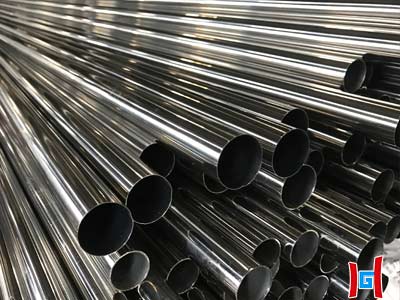
China’s steel consumption is traditionally divided into sectors like real estate, infrastructure, automobiles, 기계, 그리고 가전제품. 이들 중, the machinery industry is a significant consumer of steel. ~ 안에 2024, China’s machinery industry is projected to consume 172 백만 톤의 강철, accounting for approximately 19.2% of national consumption. Key types of steel used include alloy steel, carbon quenched and tempered steel, spring steel, 스테인레스 스틸, cold heading steel, stamping steel, and free-cutting steel.
It’s important to note that these figures exclude the automobile and shipbuilding industries. If included, the machinery industry’s share of national steel consumption would surpass 35%, making it the second-largest steel consumer after real estate. Data shows that steel consumption in the machinery industry has grown by 38.4% since 2011, almost matching the growth rate of the real estate sector.
Shift Towards High-Value Steel Production
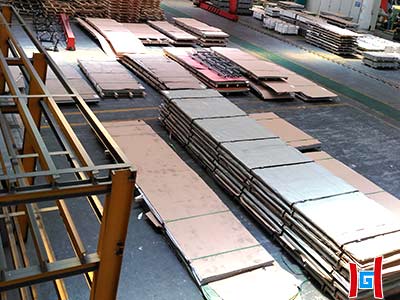
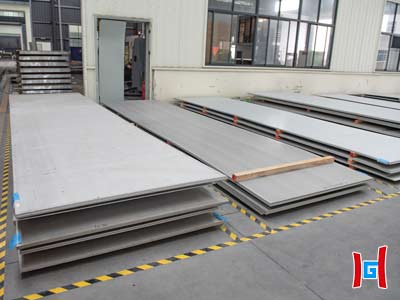
China’s steel consumption peaked in 2020 and has been declining for three consecutive years. ~ 안에 2024, it is expected to drop to around 850 백만 톤. As policies shift towards high-quality development, the production of basic construction steel, such as rebar and wire rod, has decreased. China’s steel industry is now moving from long construction products to manufacturing plates.
The production of high value-added steel, including cold plates, alloy steel, and stainless steel, is expected to rise annually. Based on the steel consumption patterns of developed countries, China’s steel demand will likely stabilize between 800 million and 900 million tons in the coming years, with continued fluctuations.
기계 산업: A Boost for High-Quality Steel
The machinery industry’s growing demand for high-quality steel is expected to support China’s steel sector. This shift will also drive the demand for key alloy raw materials used in steelmaking, such as chromium, 니켈, 망간, 몰리브덴, vanadium, 그리고 티타늄. The need for these materials will play a critical role in boosting China’s steel industry and ensuring its continued development.