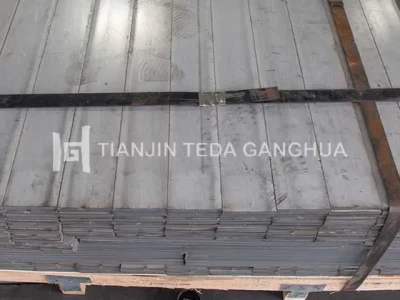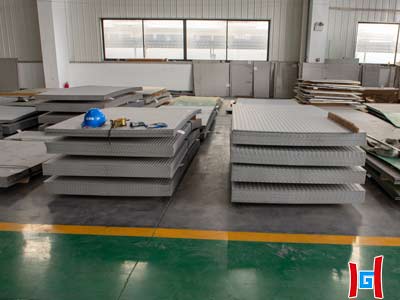
Berat Kotor dan Bersih Pelat Stainless Steel
Understanding Gross Weight and Net Weight of Stainless Steel Plates
Perkenalan
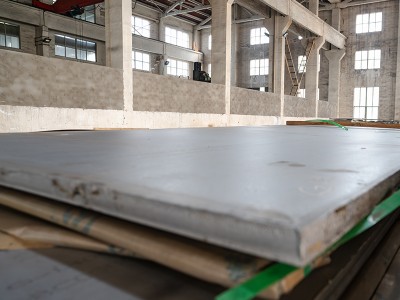
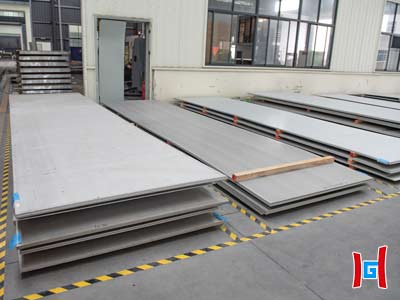
When dealing with stainless steel plates, penting untuk memahami konsep berat kotor, net weight, and other related terms. These terms are crucial for transportation, purchasing, and selling of steel.
Theoretical Weight vs. Actual Weight
Theoretical Weight:
The theoretical weight of stainless steel plates is calculated based on the nominal size and density (formerly known as specific gravity) of the steel. It considers factors such as the length, cross-sectional area, and allowable deviation of the steel. Due to these deviations in the manufacturing process, the theoretical weight may differ from the actual weight and is used as an estimate.
Actual Weight:
The actual weight of steel refers to the weight obtained by physically weighing the material. This measurement is more accurate than the theoretical weight and reflects the true weight of the steel.
Key Weight Terms
Gross Weight:
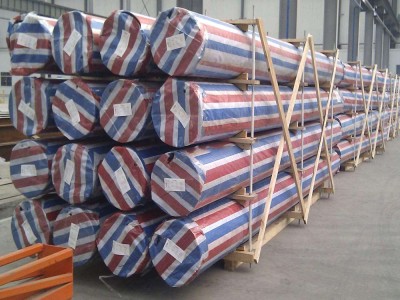
Gross weight includes the total weight of the steel and its packaging materials. Transportation companies use gross weight to calculate freight charges.
Net Weight:
Net weight is the weight of the steel itself, excluding packaging materials. It is calculated by subtracting the tare weight from the gross weight. In purchasing and selling steel, net weight is typically used.
Tare Weight:
Tare weight is the weight of the packaging materials used for the steel.
Weight Ton:
Weight ton is the unit of measurement used for calculating freight based on the gross weight of the steel. The standard unit is a ton (1,000 kg), but other units like the long ton (1,016.16 kg) and short ton (907.18 kg) are also used.
Billing Weight:
Billing weight, juga dikenal sebagai “billing ton” atau “freight ton,” is the weight used by transportation departments to charge freight. Different modes of transportation have varying standards and methods for determining billing weight. Misalnya, railway transport often uses the marked load of the truck, while road transport considers the vehicle’s load tonnage. In cases of less-than-truckload (LTL) shipments, the minimum billing weight is based on a specific gross weight threshold.
Kesimpulan
Understanding these terms is essential for anyone involved in the transportation or trade of stainless steel plates. By recognizing the differences between gross weight, net weight, and other weight-related concepts, accurate calculations and transactions can be ensured.