Fabrikasi Baja Tahan Karat Kelas Medis: Standar Pemotongan Laser untuk Implan Baja Tahan Karat 316L
Fabrikasi Baja Tahan Karat Kelas Medis: Laser Cutting Standards for 316L Implants
Medical grade stainless steel fabrication requires extremely high standards in precision, kebersihan, and material consistency. Among all stainless steel grades, 316L baja tahan karat is one of the most widely used materials for surgical implants, orthopedic devices, and medical instruments because of its excellent biokompatibilitas, ketahanan terhadap korosi, and low carbon content.
When manufacturing implant components, laser cutting plays a critical role in achieving precise geometries, tight tolerances, and superior surface quality while maintaining the integrity of the material.
1. Why 316L Stainless Steel Is Used for Implants
| Milik | Medical Advantage |
|---|---|
| Kandungan karbon rendah | Mengurangi risiko korosi intergranular |
| Ketahanan korosi yang tinggi | Stable in body fluid environments |
| Excellent biocompatibility | Suitable for implant applications |
| Sifat mampu bentuk yang baik | Ideal for precision fabrication |
These characteristics make 316L a preferred material for long-term implantable components.
2. Laser Cutting Standards for 316L Implants
Standar pemotongan laser untuk implan medis berfokus pada presisi dimensi, kontrol panas, dan pencegahan kontaminasi.
| Persyaratan Standar | Kinerja Sasaran |
|---|---|
| Toleransi dimensi | Presisi tinggi untuk pemasangan implan |
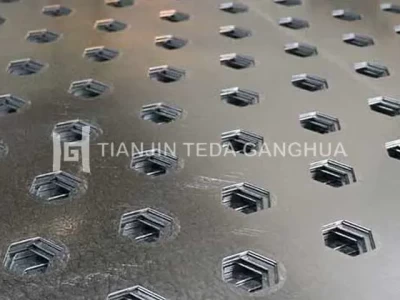
| Zona yang terkena dampak panas (HAZ) | Minimal untuk menjaga sifat material |
| Kualitas tepi | Hasil akhir bebas duri dan halus |
| Kebersihan permukaan | Tidak ada kontaminasi atau oksidasi |
Mempertahankan standar ini memastikan keamanan dan kinerja implan selama penggunaan klinis jangka panjang.
3. Parameter Pemotongan Laser Utama
- Kekuatan laser dioptimalkan untuk bagian yang tipis dan dipotong secara presisi
- Kecepatan potong terkontrol untuk meminimalkan distorsi termal
- Gas bantuan dengan kemurnian tinggi untuk pencegahan oksidasi
- Fokus sinar yang stabil untuk akurasi pemotongan tepi halus
Kontrol proses yang tepat membantu menjaga efisiensi pemotongan dan kualitas produk.
4. Tantangan Umum dalam Fabrikasi Medis
| Tantangan | Dampak |
|---|---|
| Masukan panas yang berlebihan | Perubahan mikrostruktur dan berkurangnya ketahanan terhadap korosi |
| Poor edge finish | Requires additional polishing |
| Surface contamination | Potential biocompatibility concerns |
| Dimensional deviation | Implant fit failure risk |
5. Post-Cutting Quality Requirements
After laser cutting, implant-grade 316L components typically undergo strict post-processing procedures:
- Deburring and edge refinement
- Pemolesan permukaan
- Passivation treatment
- Dimensional inspection
- Cleanroom packaging preparation
6. Applications of Laser-Cut 316L Medical Components
- Orthopedic implant parts
- Surgical fixation devices
- Medical brackets and supports
- Precision surgical tools
- Custom implant components
7. Kemampuan Pasokan Baja Tahan Karat Teda Ganghua
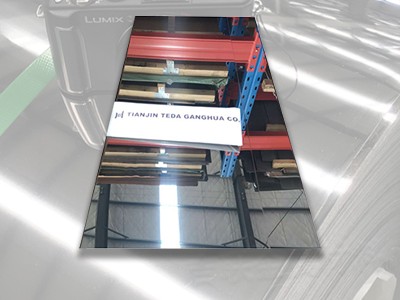
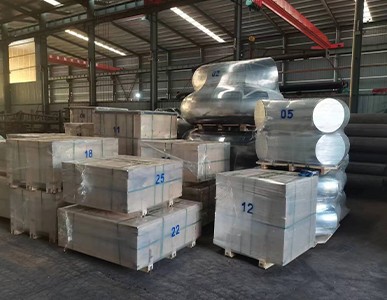
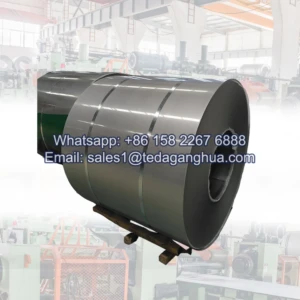
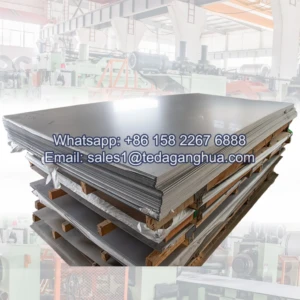
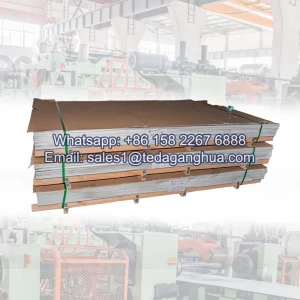
As a professional stainless steel supplier, Teda Ganghua provides high-quality 316L stainless steel plates suitable for medical-grade fabrication and precision laser cutting applications. Our materials feature stable composition, kerataan yang sangat baik, and reliable corrosion resistance for high-standard manufacturing requirements.
We support customized cutting, penyelesaian permukaan, and strict quality control for demanding industrial and medical applications.
Jelajahi produk baja tahan karat kami di sini:
Produk Plat Stainless Steel
Kesimpulan
Laser cutting standards are critical in medical grade stainless steel fabrication, especially for 316L implant applications. Presisi, kebersihan, and strict process control ensure safe, dapat diandalkan, and high-performance implant manufacturing.